When Mark Myers, a lifelong cowboy, sold his family home in Horatio, Arkansas in 1991 to buy a horse farm, he achieved a lifelong dream. For his wife, Sandra, the purchase was much more—it was a reclaiming of history.
Now, Sandra drives her golf cart across the short grass of Greenfield Farm, passing spacious pens where the family’s horses flick their tails and whinny. She greets visitors and family members from beneath the brim of her cowboy hat. Each year, thousands flock to the farm for the 29th annual Black Cowboy Festival, held on land that holds deep significance for Sandra and her family.
A Family Legacy Reclaimed
The land where Greenfield Farm stands was once worked by Sandra’s ancestors—first as enslaved people, and later as sharecroppers after emancipation. “This land is land that my parents, my family grew on, and everything, they just never owned it,” Sandra said. “It’s very sentimental to me and the rest of my family, because it is historical property, as far as we’re concerned.”
Growing up near the property in Rembert, she remembers exactly where the dairy barn and feed silos once stood. Today, mobile homes and grass have replaced some of those structures, but reminders of a darker past remain.
The farm holds a replica of her great-great-grandmother’s cabin, showing visitors what life was like for enslaved people on the Spencer family’s plantation. Sandra says the property may also include a slave burial ground, though its exact location is unknown.
Using History to Educate and Inspire
Owning the land means more than just farming—it’s about education and community. “When Mark and I were able to purchase it in 1991, we thanked God for it. We promised the Lord that we will use it and give back to the community in some way,” Sandra said.
Greenfield Farm covers 60 acres, which in 1991 would have been worth over $60,000. On a normal day, the farm is quiet, with only the sound of hooves and casual conversations. But during the Black Cowboy Festival, it comes alive with rodeos, a fish fry, line dancing, gospel shows, and horse competitions.
Celebrating Black Cowboy History
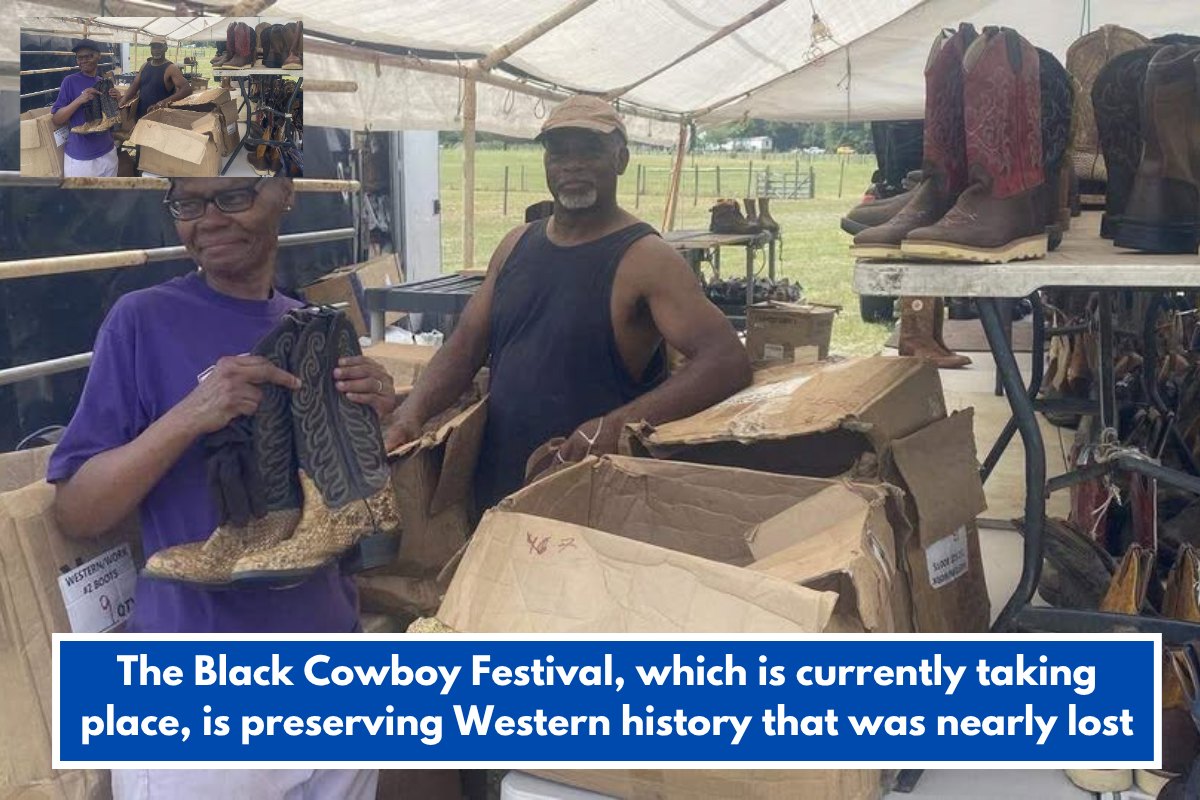
The Myers family started the festival nearly 30 years ago as a fundraiser for Love Covenant Church. Today, it draws thousands to celebrate the overlooked history of Black cowboys. According to the Autry Museum of the American West, about a quarter of all cowboys were Black, though Hollywood has largely portrayed them as white.
Education is a key part of the festival. Presentations cover topics like the Buffalo Soldiers—Black regiments who fought on the Western frontier and became early stewards of national parks. “The reason why we do this event is mainly just to reach people, to enlighten them on the history of the African American cowboy and other aspects of our history as well,” Sandra said.
The festival began with Education Day, featuring agricultural training from USDA representatives and sessions on Black cowboy history. Rodeos and horse shows followed on Saturday, along with gospel music, historical presentations, and line dancing. Sunday includes a church service and brunch.
Overcoming Challenges and Passing on the Tradition
Funding the festival has not always been easy. Sandra says some potential donors accused the festival of promoting division, which she strongly denies. “It’s about educating people. Our history was stripped from us, and we have to be real and honest about it,” she said.
The festival also serves to educate younger generations about their heritage. Sandra and Mark’s granddaughter, Shay Dennis, helps run the event, collecting parking fees and welcoming guests. “Everybody just wants to come out just to see our little family and our big old farm,” Dennis said. “It makes me happy, and it makes my soul smile.”
The Myers family hopes the festival will continue for generations. “We’re hoping to be able to pass it down to them,” Sandra said. “People come from everywhere, all over the world. Their thing is, ‘I want to come, I want to see them ride, I want to see my people.’”
Greenfield Farm is more than a horse farm—it is a celebration of resilience, history, and community, ensuring that the story of Black cowboys and Sandra’s family legacy is never forgotten.