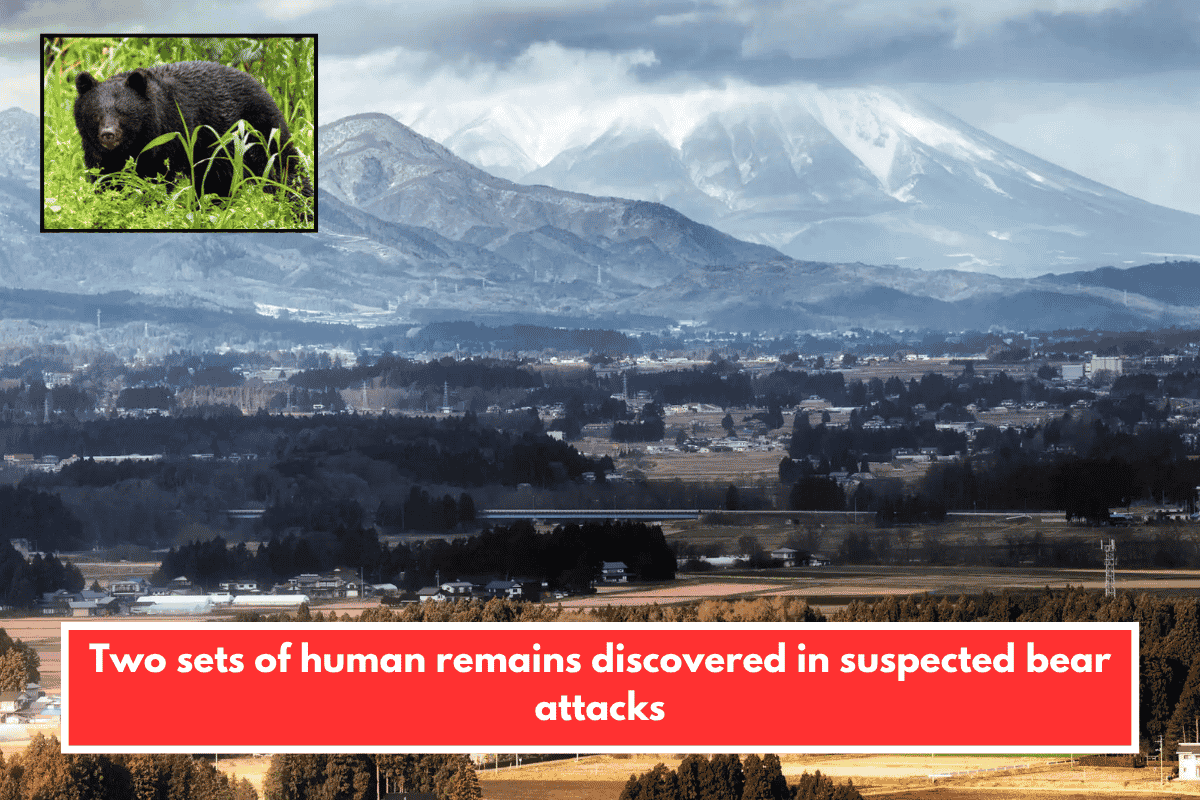
Two sets of human remains were discovered in northern Japan, suspected to be the result of bear attacks, raising concerns about increasing bear encounters in the region.
Authorities are investigating the deaths of two women, with experts suggesting a possible connection to the growing bear population and environmental changes.
The First Deaths of 2026
On May 7, 2026, police and rescue teams in Iwate Prefecture discovered the body of 69-year-old Kumagai Chiyoko, who had gone missing the day before while foraging for wild plants in the mountain forests of Hachimantai City.
The woman was found with severe injuries to her face and head, consistent with animal claw marks, leading investigators to suspect a bear attack.
This incident marks the second confirmed fatal bear attack in Japan for 2026. On May 5, authorities in Yamagata Prefecture discovered the body of another woman, and the death of a 55-year-old woman in late April was also attributed to a bear attack, making it the first such fatality of the year.
Bear Attacks and Concerns About Increasing Incidents
The rise in bear attacks has caused alarm in Japan. Last year, 2025, set a record with 13 people killed by bears, a sharp increase from just five fatalities in 2024. This troubling trend continues into 2026, as experts and authorities investigate the causes behind these deadly encounters.
In a separate incident on April 21, a police officer in Shiwa, Iwate Prefecture, was attacked by a female bear while searching for a missing person. The officer sustained injuries but was found conscious and received medical care. Hunters later killed the bear, and nearby, they found the body of a woman, which was confirmed to be the result of a bear attack.
Experts Weigh In on the Growing Threat
Kohi Yamazaki, a bear expert and head of Ibaraki Nature Museum, discussed the unprecedented level of bear attacks occurring early in the spring. “Given that all the incidents have occurred relatively close to settlements and the bodies have been severely damaged, I suspect a bear has eaten them,” Yamazaki told AFP, as reported by Japan Today.
He attributed the rise in bear attacks to a combination of factors, including the growing bear population and environmental changes such as abandoned farmland and depopulation in rural areas.
Japan’s Ministry of the Environment reports that brown bears inhabit Hokkaido, while Asiatic black bears are found on Honshu, where Shiwa is located, as well as parts of Shikoku. Visitors to national parks in bear habitats are urged to educate themselves on bear safety measures, including how to avoid encounters and what actions to take if they see a bear.
What’s Behind the Increase in Bear Encounters?
Experts suggest that the rising bear population in the Tohoku region, which has been growing for over 20 years, is contributing to the increased number of attacks.
Additionally, environmental shifts like abandoned agricultural land, a result of Japan’s aging population and rural depopulation, may be pushing bears closer to human settlements in search of food.
Authorities continue to investigate the causes of these attacks and stress the importance of preparedness when venturing into bear-inhabited areas.