A major legal debate has started in the United States after a controversial government memo questioned a long-standing law about presidential records. A former top legal official has strongly criticised this move, warning that it could have serious consequences for transparency and accountability in government.
What Is the Controversy About?
The issue centres around a recent memo from the U.S. Department of Justice (DOJ) under the administration of Donald Trump. The memo argues that the Presidential Records Act (PRA) should be considered completely invalid.
This law, passed in 1978, clearly states that official records created by a U.S. president belong to the government, not the individual. It was introduced after the Watergate scandal to prevent misuse of power and ensure proper record-keeping.
However, the DOJ memo suggests that presidents should have full control over their records, similar to how things worked before the law was created.
Why Legal Experts Are Concerned
Former DOJ official Christopher Fonzone has strongly criticised this memo in a detailed analysis published on the Just Security blog.
He described the memo as “astonishing” because it appears to ignore decisions made by the Supreme Court of the United States. According to him, it is very rare for a government legal office to reject established Supreme Court rulings so openly.
Fonzone warned that if this view is accepted, it could allow government officials to destroy important presidential records without facing legal consequences.
Connection to Trump Investigations
This legal argument is also linked to earlier investigations involving Donald Trump, especially those led by former special counsel Jack Smith.
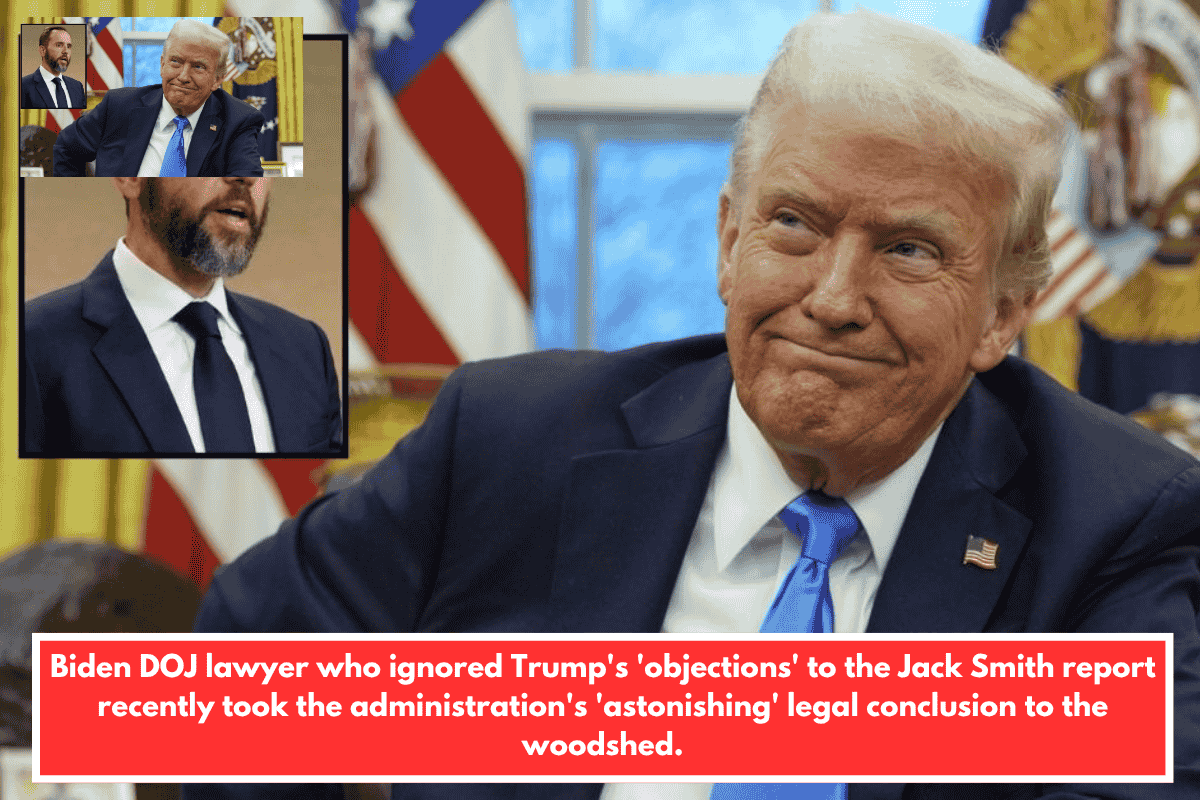
Fonzone had earlier rejected Trump’s objections to releasing part of Smith’s report on the January 6 investigation. Trump had argued that the report should not be made public due to claims of immunity and questions about Smith’s appointment. However, Fonzone allowed its release.
Another part of the report, related to classified documents and possible obstruction, was not released after a court decision.
Role of Courts and Judges
A key figure in this situation is Aileen Cannon, a judge who dismissed the classified documents case against Trump on different legal grounds. She also blocked the release of certain parts of the report, saying it could violate earlier court orders.
The DOJ memo even refers to this dismissed case to support its argument that presidents should not face criminal charges for handling their records.
Why the Presidential Records Act Matters
The PRA was created to make sure that presidential actions are properly documented and preserved. It requires presidents to:
- Keep records of decisions and official activities
- Transfer these records to the National Archives after their term
- Ensure transparency for historical and legal purposes
Without this law, experts fear that important information about government decisions could be lost or hidden.
Reactions from Legal Scholars
Several legal experts have supported Fonzone’s criticism:
- Jack Goldsmith called the analysis “quietly devastating,” meaning it strongly challenges the memo without exaggeration.
- Ryan Goodman described it as a “gold-standard” explanation of the law.
- Marty Lederman went further, calling the DOJ memo one of the most unprofessional legal opinions in recent years.