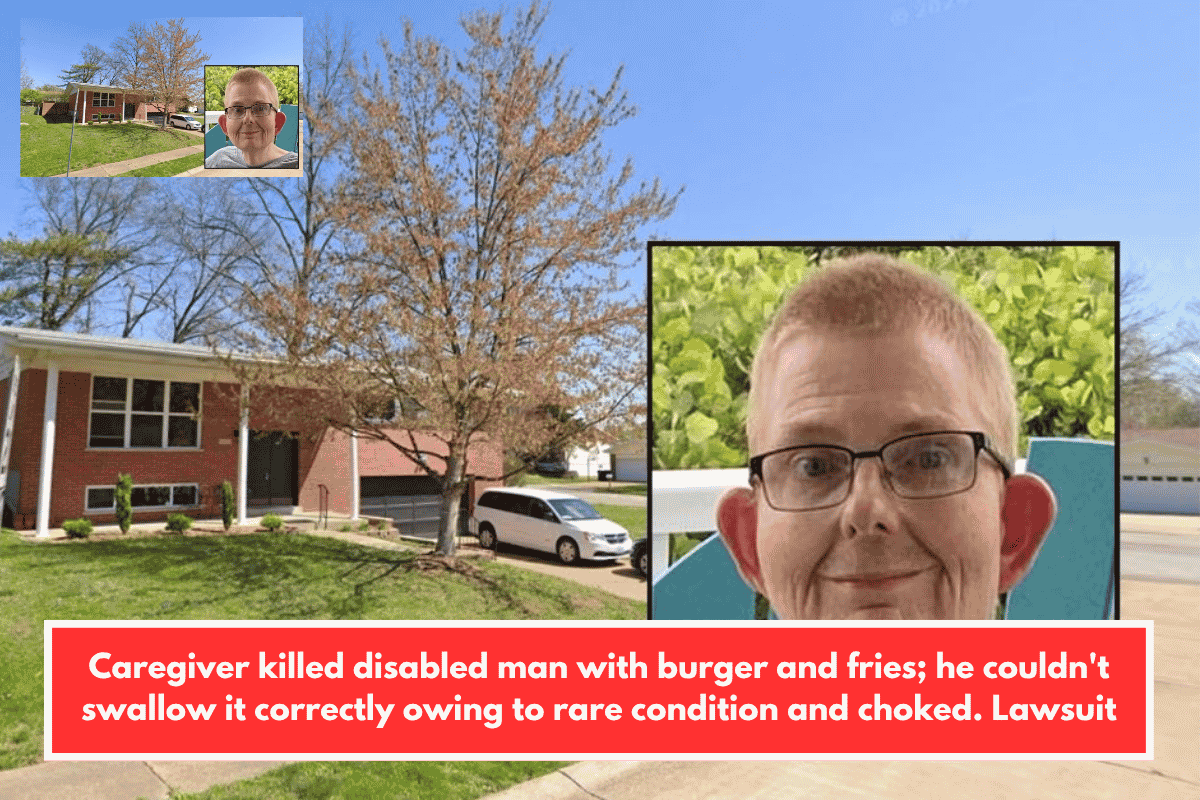
A deeply upsetting case from St. Louis has raised serious concerns about care standards for people with disabilities. A 57-year-old man with a rare condition died after a choking incident, and his family has now filed a lawsuit alleging negligence by both a caregiver and the facility responsible for his care.
What Happened in This Case?
James Showmaker, who had a condition called Prader-Willi Syndrome, was living at a care facility operated by Easterseals Midwest. On June 20, 2025, a caregiver named Tara Whitehead was assigned to look after him.
According to the lawsuit, Whitehead gave Showmaker a meal of a turkey burger and fries. However, instead of staying with him as required, she reportedly left the room. This decision is central to the family’s claims, as Showmaker’s care plan clearly required close supervision during meals.
Why Supervision Was Critical
Showmaker’s condition made eating particularly dangerous without proper monitoring. People with Prader-Willi Syndrome often feel constant hunger and may eat very quickly, which increases the risk of choking.
His Individual Service Plan (ISP) reportedly included strict instructions such as:
- Food should be given in small, manageable portions
- A caregiver must stay beside him while he eats
- He should pause between bites, often by counting or doing a simple task
These steps were meant to reduce the risk of choking, which was known to be a serious danger in his case.
Choking Incident and Emergency Response
While eating, Showmaker reportedly began choking and struggling to breathe. The caregiver returned after hearing distress sounds but allegedly told him to “go throw it up,” even though people with his condition typically cannot vomit.
The situation quickly became critical. Showmaker collapsed due to lack of oxygen. Although emergency services were called, the lawsuit claims there were further delays:
- The caregiver reportedly did not know the correct address
- The front door was not unlocked in time for emergency responders
These delays may have cost valuable time during a life-threatening situation.
Medical Outcome
Showmaker was taken to the hospital, but by then his brain had already been deprived of oxygen for too long. Doctors determined that he was brain dead. He also suffered seizures and developed complications like sepsis.
After three days on life support, his family made the difficult decision to withdraw treatment, and he passed away.
Family’s Allegations Against the Facility
The family’s lawsuit claims that the tragedy could have been prevented. They argue that the caregiver was not properly trained and was not even required to read Showmaker’s care plan.
According to the complaint:
- The facility failed to properly train and supervise staff
- Critical safety instructions were ignored
- A known high-risk condition was not handled with required care
The organisation has not commented publicly on the case due to ongoing legal proceedings.