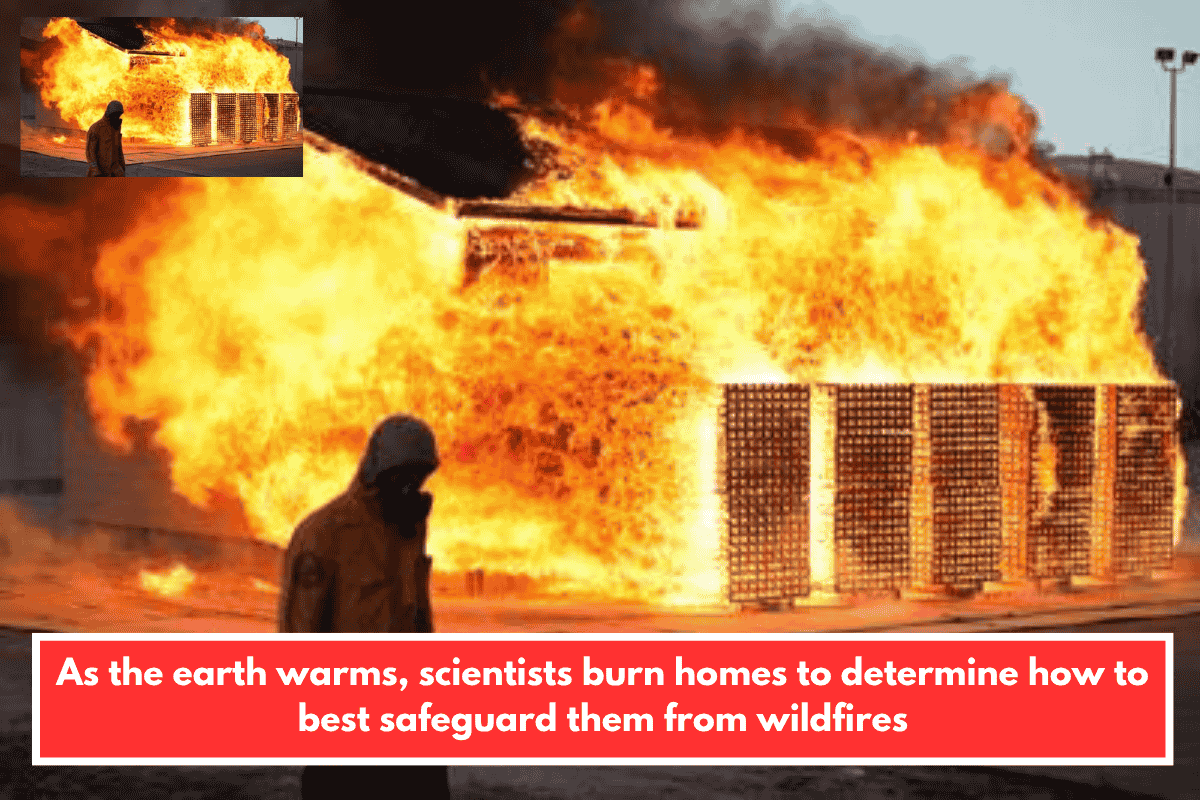
A unique research project in Richburg is helping scientists understand how homes can survive wildfires—by actually setting them on fire in controlled conditions.
Burning Homes to Learn
At a special testing site run by the Insurance Institute for Business & Home Safety, researchers have burned multiple houses on purpose. These homes are built to resemble real ones and are filled with sensors and cameras that record exactly how fires spread and destroy structures.
The goal is simple but powerful: study how fires behave so future homes can be built to resist them better. Scientists describe it as “crash testing houses” to understand their weaknesses.
How the Experiments Work
The site uses advanced equipment, including a massive wall of fans that can create strong winds to mimic real wildfire conditions. These winds push flames toward the houses, helping researchers see how fire spreads under extreme situations.
Some homes are built with standard materials, while others use fire-resistant designs. By comparing the results, scientists can clearly see what works and what doesn’t.
Why This Research Matters
Wildfires are becoming more intense and frequent, especially in countries like the United States. In recent years, fires have burned huge areas and caused billions of dollars in damage annually.
Experts link this increase to climate change, rising temperatures, and more people living in fire-prone areas. Because of this, improving home safety has become more important than ever.
Key Findings from the Tests
Research from these experiments has already led to important improvements in building practices. Homes built with fire-resistant walls, stronger windows, and protected vents are much better at slowing down fires.
Scientists also found that what surrounds a home is just as important. Keeping a small buffer zone around the house—free from flammable materials like dry plants, wooden fences, or outdoor items—can greatly reduce risk.
Limits of Fire Protection
Even with better materials and designs, experts say no home is completely safe under extreme wildfire conditions, especially when strong winds are involved. However, these improvements can still make a big difference in reducing damage and giving people more time to escape.
A Growing Industry
As wildfire risks increase, fire prevention is becoming a business opportunity. New products are being developed to help homeowners protect their properties, such as fire-resistant sprays, ember-blocking vents, and heat-resistant materials.
These tools are similar to how people prepare for other natural conditions, like keeping snow equipment in colder regions.