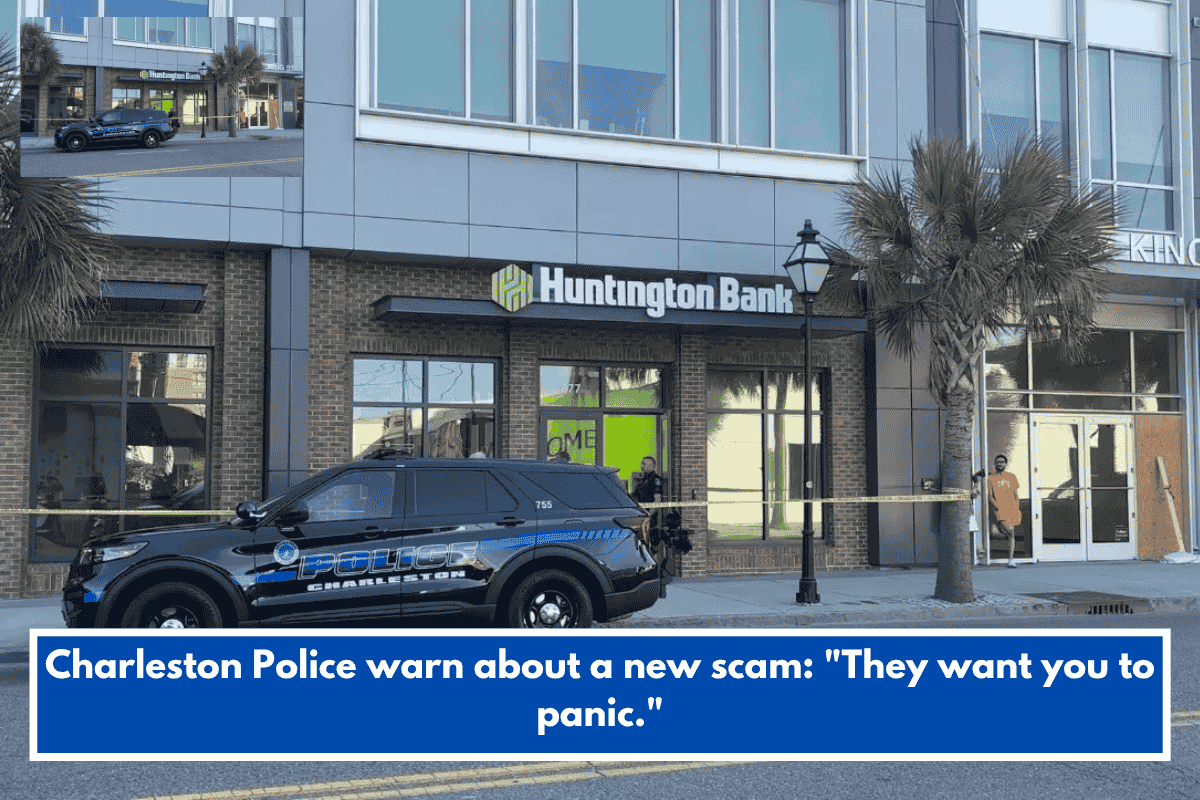
Online scams are becoming more common, and now a new type of fraud is targeting people with fake messages that look very real. Police in Charleston, South Carolina, have warned that scammers are using clever tricks to scare people into sending money quickly. Understanding how these scams work can help you stay safe and avoid losing your hard-earned money.
What Is the New Scam About
The Charleston Police Department has alerted the public about a scam where people receive text messages claiming they owe money for a traffic violation or court issue. These messages often demand immediate payment and may even include links or QR codes.
Scammers try to create panic so that victims act quickly without thinking. The message may say something serious, like a fine or warrant, making it seem urgent and real. But in truth, these messages are fake and designed to trick you.
Why These Scams Are More Dangerous Now
Police say scams have become more advanced over time. Today’s fraudsters use technology to make their messages look genuine.
Some common tricks include:
- Using fake phone numbers that appear official
- Pretending to be real police officers or government staff
- Copying names of actual officials to gain trust
- Sending professional-looking messages with legal terms
Because of these tactics, it’s getting harder for people to tell the difference between real and fake communication.
Common Warning Signs to Watch For
Even though scams look convincing, there are still some clear red flags. If you notice any of these, be careful:
- Messages from unknown numbers
- Someone claiming to be a police officer asking for money
- Urgent demands to pay immediately
- Requests for payment through unusual methods like gift cards or cryptocurrency
- Links or QR codes asking you to pay quickly
Real authorities do not work this way, so any such request should raise suspicion.
What Police Want You to Know
According to Charleston Police, they will never send text messages asking for immediate payment. They also do not collect fines through phone calls, QR codes, or digital wallets.
If there is a real traffic violation or legal issue, you will receive an official notice through proper legal channels, not a random message.
Police are urging people to stay alert and not click on unknown links or respond to suspicious messages.
How to Protect Yourself from Scams
Here are some simple steps you can follow to stay safe:
- Do not panic when you receive alarming messages
- Avoid clicking on links from unknown sources
- Verify any claim by contacting the official department directly
- Never share personal or financial information through text
- Report suspicious messages to local authorities
Being careful and aware can save you from serious trouble.
Quick Overview of the Scam
| Feature | Details |
|---|---|
| Type of scam | Fake traffic fine or court notice |
| Method used | Text messages with links or QR codes |
| Main trick | Creating panic and urgency |
| Target | General public |
| Safe action | Ignore, verify, and report |