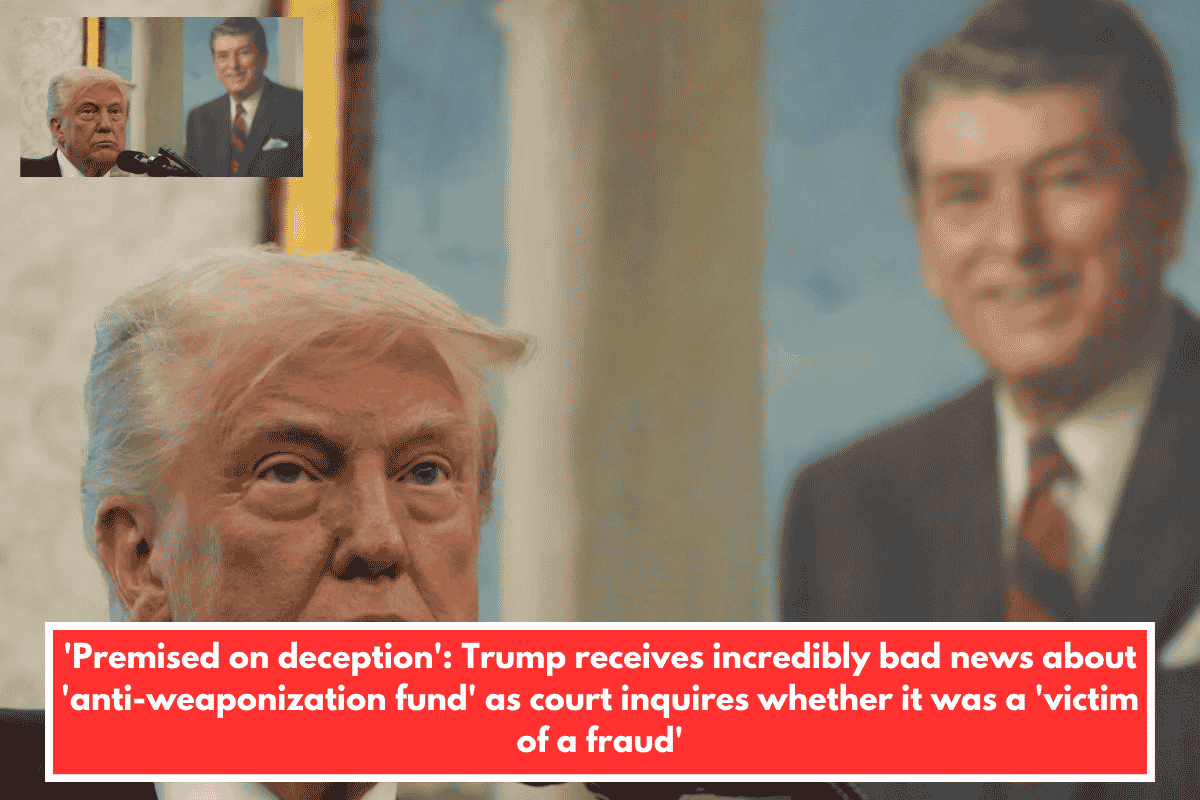
A federal judge in Miami has raised serious concerns about President Donald Trump’s proposed $1.776 billion “anti-weaponization fund,” created through a settlement of his lawsuit against the IRS.
The case, originally filed in January in the Southern District of Florida, was voluntarily dismissed in May, but questions about the legitimacy of the fund have emerged.
Settlement Under Scrutiny
Trump’s lawsuit aimed to compensate individuals allegedly targeted by federal agencies for “political, personal, and/or ideological reasons.” However, U.S.
District Judge Kathleen Williams noted that there was “no settlement of record” because the dismissal notice did not include or reference any formal settlement documentation. She also expressed concern that federal defendants had not submitted documents ensuring the settlement was appropriate.
Injunction and Legal Challenges
On the morning of the same week, a judge in the Eastern District of Virginia issued an injunction preventing the DOJ from taking any action related to the fund, including disbursing money or considering claims.
Meanwhile, multiple lawsuits, including one by nearly three dozen former federal judges, challenged the fund as potentially unlawful and labeled the original voluntary dismissal “fraudulent” and “collusive.”
Judge Williams’ Findings
In her late-Friday order, Judge Williams highlighted numerous concerns:
- The settlement included an addendum that barred the U.S. from pursuing potential claims against plaintiffs.
- Defendants did not contest the claims, despite opposing similar claims in other litigation.
- Some claims were likely untimely and legally untenable.
The judge suggested the process may constitute a fraud on the court and cited Federal Rule of Civil Procedure 11, which allows courts to sanction parties who file lawsuits for improper purposes.
Next Steps
Judge Williams directed the plaintiffs to respond to the retired judges’ allegations, addressing:
- Whether the parties were truly adverse or collusive.
- Whether the voluntary dismissal involved deception.
- Whether the case should be reopened due to potential fraud.
The government must respond by June 12, and the former judges have until June 19 to reply.