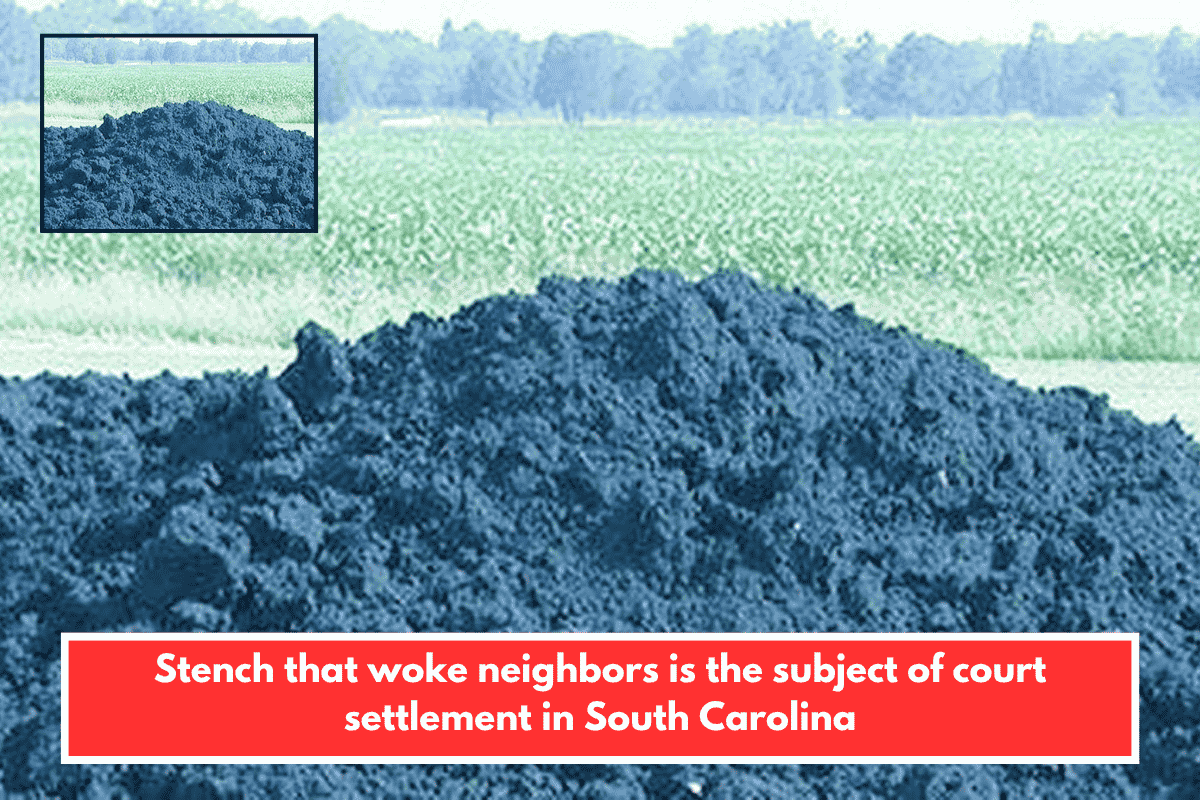
After years of complaints about strong odors from a sewer sludge recycling facility near Andrews, South Carolina, homeowners and environmental groups have reached a settlement with the operators of Williamsburg Recycling LLC.
The agreement aims to address longstanding issues raised by neighbors, including odors and potential impacts on water quality.
Odor Complaints and Legal Action
Resident Travis Hughey reported that foul odors from the facility would drift onto his property, sometimes making it impossible to enjoy outdoor activities or even sleep inside his home. “There were times when the odor was what I’d call debilitating,’’ Hughey said.
The S.C. Environmental Law Project, representing the Coastal Conservation League, filed a lawsuit on behalf of nearby residents, citing concerns over odors, groundwater, and local streams. The legal action followed years of complaints to state regulators, which Hughey says were insufficiently addressed.
Settlement Terms
Under the settlement:
- Williamsburg Recycling must monitor incoming sludge loads to control hydrogen sulfide, the odor-causing gas commonly associated with sewage.
- The company will pay $10,000 for future property restoration.
- Drinking water wells near the site will be tested annually for the next three years for bacteria, metals, and minerals.
Attorney Monica Whalen of the S.C. Environmental Law Project stated the settlement ensures accountability: “Neighbors now have enforceable rights and a real seat at the table, not just the hope that a state agency will act on their behalf.”
Company Response
Spokeswoman Quinn Conway emphasized Williamsburg Recycling’s commitment to environmental standards. “Odor management remains a core operational priority,” she said. Measures will be taken if hydrogen sulfide exceeds acceptable levels, and the company will continue monitoring all incoming sludge.
The facility, which opened in 2008 after receiving a permit, processes sludge primarily for composting on farmland. Past challenges included drenching rains and flooding in 2015 and 2016, leading to enforcement actions and fines from the state Department of Health and Environmental Control (DHEC).
Context of Sludge Issues in South Carolina
The Williamsburg Recycling settlement is part of broader concerns in eastern South Carolina about sludge disposal. In rural areas, residents have complained about odors from chicken plant sludge and other waste spread as fertilizer.
Some past sludge applications, such as at the Galey and Lord textile plant, have prompted EPA review for potential Superfund cleanup due to contamination with “forever chemicals” in soil and groundwater.
Sludge, or biosolids, is the byproduct of wastewater treatment and can contain bacteria, metals, and other pollutants. While recycling or land application is a common disposal method, it can cause odor issues and environmental concerns if not properly managed.
Hughey and the law project hope the settlement will prevent future odor problems and improve the quality of life for nearby residents. Hughey remains cautious but optimistic: “Trust is something that’s going to have to be earned at this point.”
Williamsburg Recycling officials expressed hope that the agreement resolves longstanding differences and emphasized their commitment to responsible operations and community engagement.