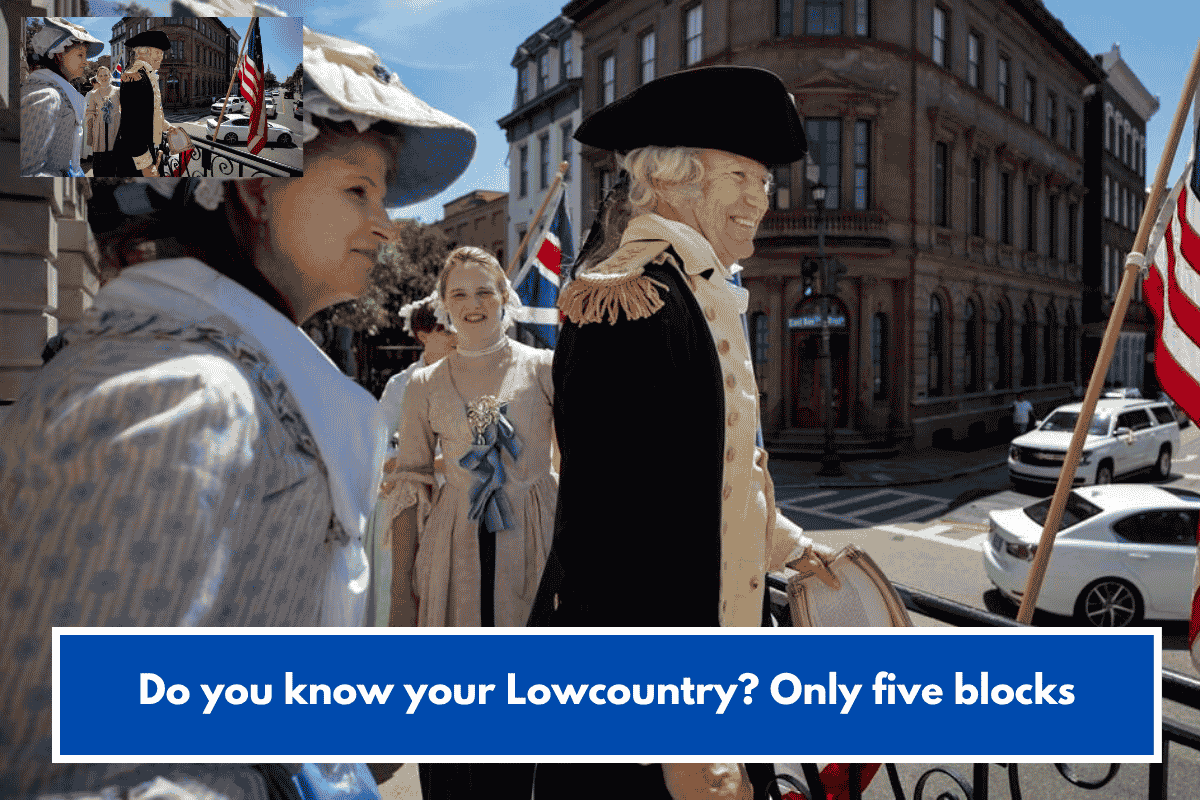
Walking along just five blocks of Broad Street in Charleston reveals an incredible amount of American Revolutionary history. From famous events to lesser-known stories, the area is full of tales about the city’s patriots, leaders, and historic buildings.
The Old Exchange Building
Built between 1767 and 1771 where Broad Street meets East Bay, the Old Exchange Building was at the center of many revolutionary events. On Dec. 1, 1773, Charleston authorities seized 257 chests of tea from the ship London and stored them in the Exchange Building. Unlike the Boston Tea Party, the tea was later sold to fund the Patriot cause.
By late 1774, Patriots held public meetings at the Exchange, forming South Carolina’s Provincial Congress. On March 26, 1776, this Congress adopted a state constitution and declared independence from England—months before the national Declaration of Independence.
During the Revolutionary War, Gen. William Moultrie hid 10,000 pounds of gunpowder in the Exchange basement, which the British never found while occupying the building from 1780 to 1782.
The basement, known as the Provost’s Dungeon, also held prominent Patriot leaders, including three South Carolina signers of the Declaration of Independence.
The Exchange hosted South Carolina’s Constitutional Convention on May 23, 1788, making the state the eighth to ratify the U.S. Constitution. George Washington was later honored in the building during his 1791 visit.
Loyalist Stories
Not all stories from the Exchange are about Patriots. In 1776, Loyalist John Champney refused to take an oath to the new state and was imprisoned in the dungeon. He later fled to London and published a pamphlet detailing his persecution, highlighting the hardships faced by those loyal to the Crown.
Broad Street Taverns and Early Commerce
Two blocks west, at Broad and Church streets, a tavern once stood where South State Bank is today. Known as Shepheard’s Tavern, it was the site of violent protests against the Stamp Act in 1765 led by Christopher Gadsden.
Later, it became Mrs. Swallow’s Tavern, where merchants met in 1773 to protect their businesses and respond to British taxes—creating America’s first Chamber of Commerce.
Clark Mills Studio
Nearby, Clark Mills Studio, a National Historic Landmark, was home to the famous 19th-century sculptor. Mills cast the bronze statue of Freedom atop the U.S. Capitol dome and the first equestrian statues in the world balanced on a horse’s hind legs, including figures of George Washington and Andrew Jackson.
These examples only cover two of the five blocks along Broad Street, but they show how much Revolutionary history Charleston holds in just a small area. The remaining three blocks hold even more stories waiting to be explored.