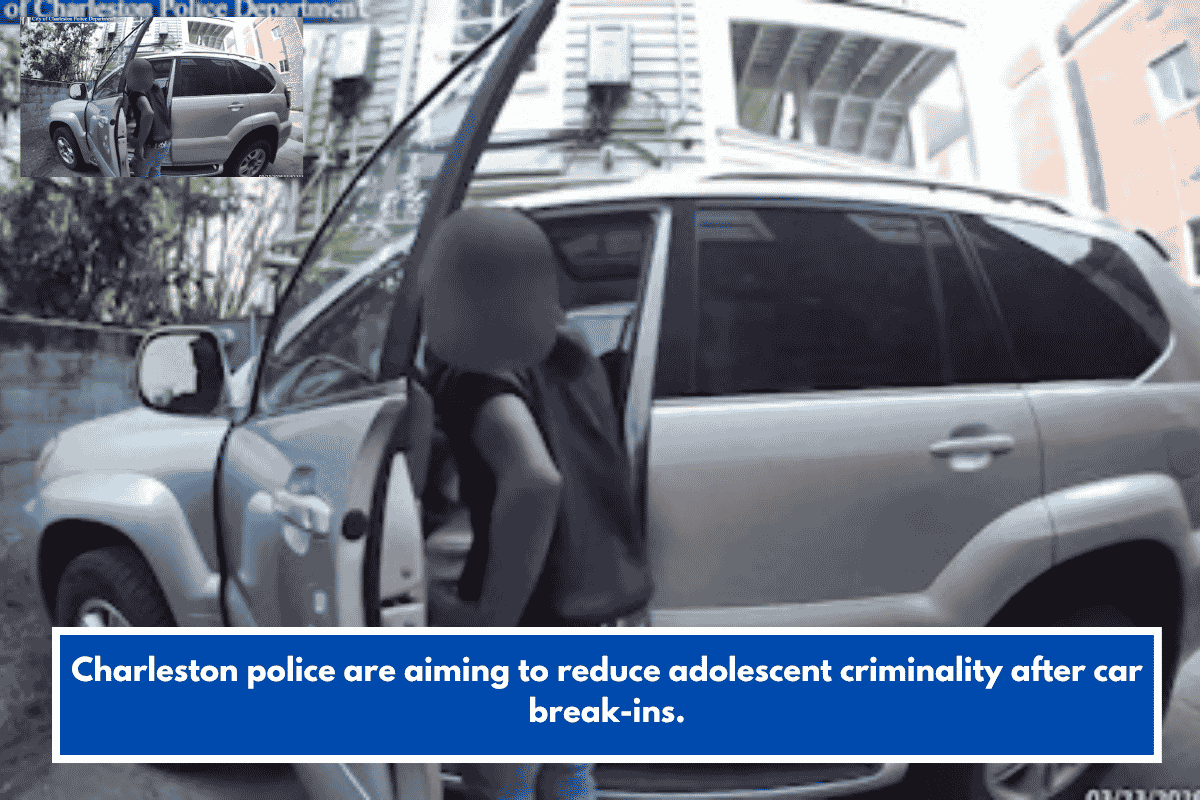
CHARLESTON, S.C. – A series of car break-ins in downtown Charleston has raised concerns, not only about property crime but also the involvement of juveniles in these incidents. The break-ins, which have primarily been carried out by teenagers, have prompted local authorities to take action and develop programs aimed at curbing youth crime.
Juvenile Car Break-Ins
The investigation began in March when residents reported several incidents of teenagers breaking into cars. Officers discovered that groups of 3 to 4 teenagers, ages 11 to 15, were responsible for stealing cash, credit cards, and firearms from the vehicles. In total, 10 juveniles were identified and charged in connection with the crimes.
Charleston Police Focus on Preventative Measures
In response to the rise in youth crime, the Charleston Police Department is focusing on long-term solutions through a variety of outreach programs. Jerome Smalls, the department’s Youth Outreach Developer, emphasized the need for early intervention.
“How do we have some of these young people who we’re talking about today be a part of a program like this where they don’t ever have to get caught up in these charges, and we don’t have to make news headlines about them?” Smalls asked.
Youth Outreach Programs
The department offers several programs to engage young people and help prevent crime. One such initiative is Camp Hope, a 6-week summer camp for middle and elementary school children. For high school students, the department runs the Youth Citizens Academy, a one-week program designed to teach leadership and responsibility.
Additionally, the department is piloting the ‘High Flyers’ program, which targets high-risk youth by offering therapy, family engagement, mentorship, and summer employment opportunities. Smalls noted that even the most difficult youths want to feel cared for, and by providing support, they can help change their perceptions of themselves.
“Even the kids who are the roughest around the edges, they want to feel that they are cared about,” Smalls said. “Oftentimes, they either get pushed to the back burner or get labeled as too far gone, and they accept those identities. We’ve got to change that narrative.”
Data-Driven Solutions and Community Involvement
The police department is also working with other cities that have successfully reduced youth crime to implement data-driven solutions. Smalls emphasized the importance of sharing safe and informed data to identify at-risk individuals and intervene before violence or retaliation occurs.
“We’re thinking about how to share data that’s safe and also very informed,” he said. “With that intelligence, folks can be identified when victims arise. What services are needed? Who’s in their friend group? How do we reach them before the retaliation takes place?”
Smalls encourages the community to get involved by engaging with at-risk youth and holding them accountable. “My message would be to the rest of the community who have frustrations with these same kids,” Smalls said. “Talk to them. Engage them. Hold them accountable.”
Ongoing Investigation
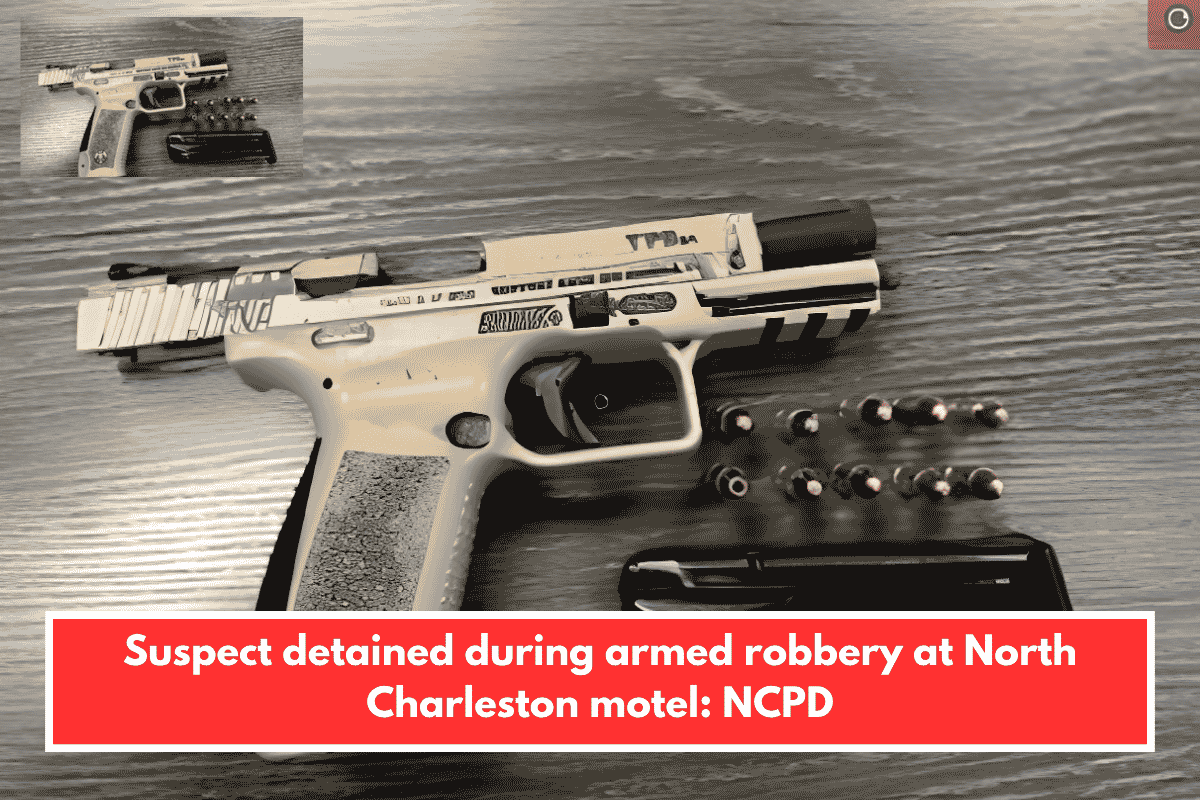
While Charleston Police continue to investigate the car break-ins, their priority is also recovering the stolen firearms. They have reiterated the importance of locking vehicles, removing firearms from cars, and reporting any suspicious activity to authorities.
This case serves as a reminder to residents to remain vigilant and proactive in addressing youth crime in their communities.