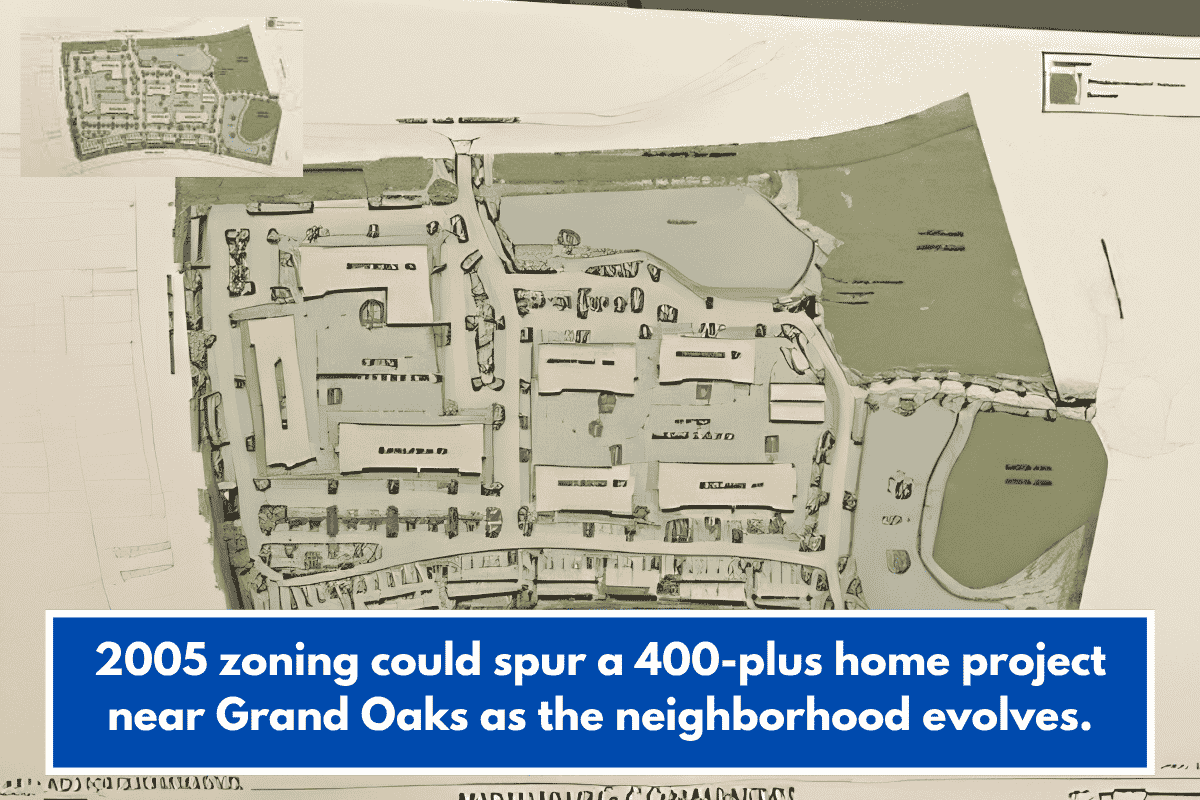
Rapid growth is changing many parts of Charleston, and a new proposal in West Ashley is adding to the conversation. While development can bring more housing, it also raises concerns about traffic and infrastructure among local residents.
Proposed Housing Project in West Ashley
A new development is being planned in the Grand Oaks area of West Ashley. The site is located behind a Harris Teeter on Grand Oaks Boulevard.
Early plans suggest the project could include more than 400 housing units, with a mix of apartments and townhomes.
Why This Project Is Possible
City officials explained that the land was already zoned for this type of development back in 2005. At that time, much of the surrounding area had not yet been built.
Because of this:
- The developer already has permission for certain types of construction
- The project does not need new zoning approval
- Only design and planning reviews are required
Concerns from Local Residents
Some residents say they were not aware of what could be built on the land until now. People living nearby are worried about how the project could affect daily life.
One major concern is traffic. Locals say the area has already seen heavy growth over the years, leading to longer commute times.
Infrastructure Challenges
City leaders have acknowledged that infrastructure has not always kept up with development in West Ashley.
Robert Summerfield, a city planning official, said the area is expected to grow but still needs improvements like:
- Better roads and intersections
- Improved traffic flow
- Upgraded public infrastructure
What Happens Next
The project is still in the early stages and will go through several steps before construction begins.
These include:
- A detailed traffic study
- Design review by city officials
- Possible changes based on community feedback
Officials say this process could take a year or more.
Community Involvement
City leaders are encouraging residents to stay involved and share their opinions as the plan develops. Even if the project moves forward, design changes can still reduce its impact on the neighbourhood.