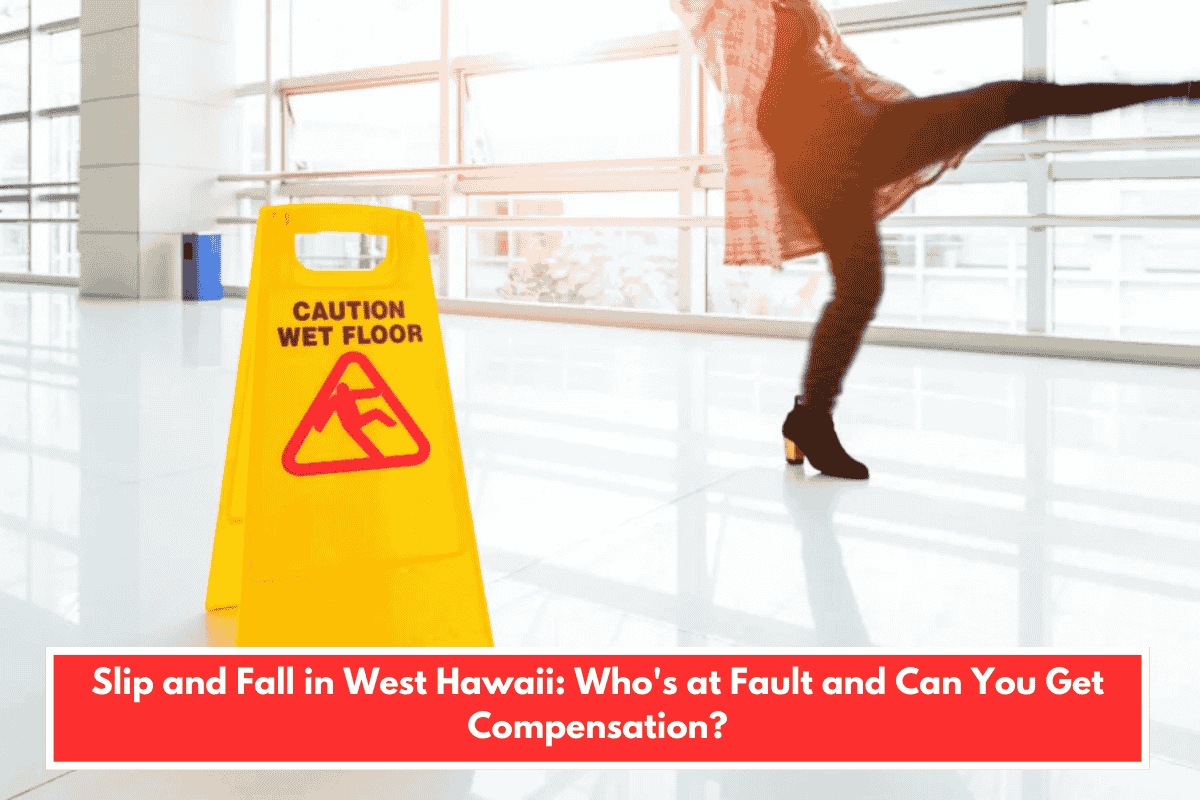
West Virginia slip-and-fall cases fall under premises liability law, where property owners owe varying duties based on visitor status, and fault is determined via negligence proof. Compensation is possible if the owner breached their duty, but “open and obvious” hazards can bar claims, with modified comparative fault reducing awards over 50% plaintiff blame. This aligns with your interest in state-specific legal risks alongside family and labor topics.
Premises Liability Duties
Owners must keep premises reasonably safe for invitees (e.g., customers), warn licensees (social guests) of known hidden dangers, and owe trespassers minimal duty except against willful harm. A breach occurs if they fail to fix or warn about hazards like spills, ice, or poor lighting they knew or should have known about. Plaintiffs must prove duty, breach, causation, and damages (medical bills, lost wages).
Fault Determination
West Virginia uses modified comparative negligence: recovery allowed if you’re 50% or less at fault, reduced proportionally (e.g., 30% fault cuts award by 30%). Open-and-obvious dangers reinstate a defense per statute, though courts weigh foreseeability. Evidence like photos, witnesses, and maintenance logs is key.
Compensation Process
Claims start with property insurance; lawsuits follow if denied, within a 2-year statute of limitations. Recoverable damages include economic losses and pain/suffering; liable parties may include owners, managers, or tenants. No automatic “West Hawaii” jurisdiction—likely refers to West Virginia context here.