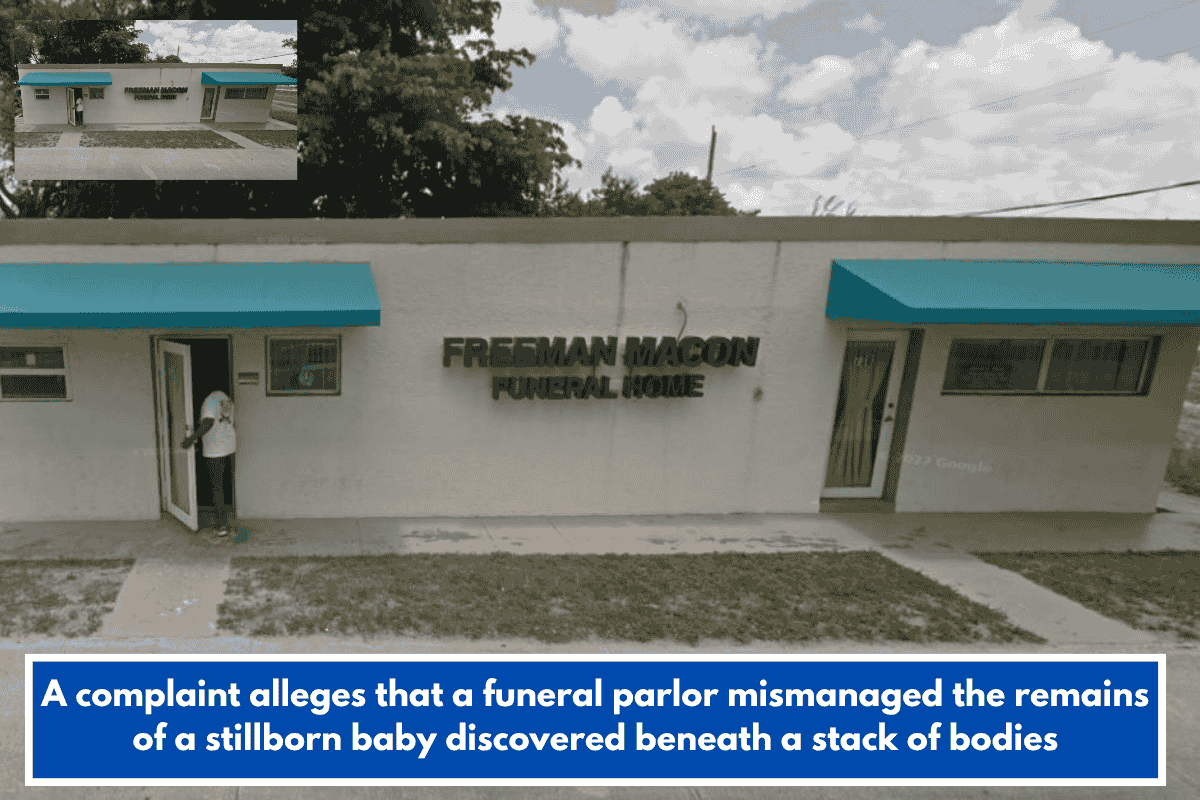
Alicia Richard and Namarcus Crane, the parents of stillborn baby Na‑mir Crane, have won a default summary judgment in their negligence lawsuit against Freeman Funeral Home and Cremation in Pompano Beach, Florida, over the alleged mistreatment of their son’s remains. The Broward County judge ruled in their favor after the funeral home failed to appear in court, and the case is now moving toward a damages‑determination hearing set for April 28, 2026.
What went wrong with the remains
- The couple paid $500 to the funeral home to embalm Na‑mir and handle funeral arrangements after he died at birth on April 9, 2025.
- The lawsuit claims the home then neglected the baby’s body for about two weeks, allowing his “fragile” infant remains to deteriorate rather than receiving proper care.
- When a representative from a new funeral home went to retrieve Na‑mir’s body, they found the scene “inhumane and horrifying,” with the baby’s body crushed underneath a much larger adult male described as over six feet tall and weighing more than 200 pounds.
- The family says Na‑mir’s remains were rendered unsuitable for an open‑casket viewing, robbing them of the chance to say goodbye in the way their faith and traditions required.
Legal outcome and emotional impact
- Broward County Circuit Judge Michael Robinson entered a default summary judgment for the couple in January 2026 after the funeral home did not show up for a key hearing, meaning the plaintiffs’ legal claims are now treated as fact for the purpose of seeking damages.
- The upcoming evidentiary hearing on April 28 will focus on how much the family should be compensated for the profound emotional trauma, loss of grieving rites, and psychological harm.
- The parents told local TV (WTVJ) that their son looked “unrecognizable” and that the experience left them with no physical memories of him, saying it “hurts every day” and that it “crushed” their souls.
The case has drawn national attention as an extreme example of funeral‑home misconduct, where the mishandling of the most vulnerable remains has effectively erased the family’s ability to mourn in the way they planned.