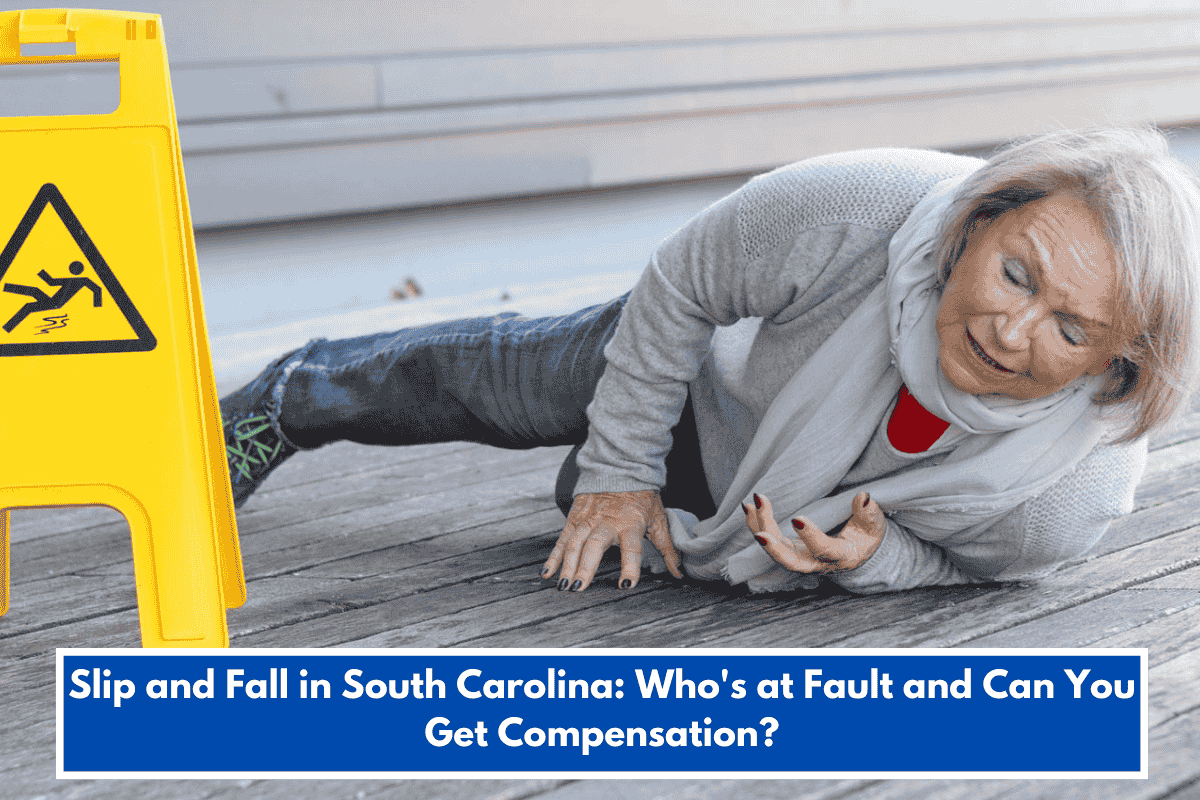
South Carolina premises liability law governs slip and fall cases, requiring plaintiffs to prove property owner negligence for compensation. Fault hinges on whether the owner knew or should have known about the hazard, with modified comparative negligence reducing awards if the injured party shares more than 50% blame. Successful claims can yield compensation for medical bills, lost wages, and pain, but strict timelines apply.
Determining Fault
Property owners owe a duty to keep premises reasonably safe for invitees (customers), licensees (social guests), and trespassers (minimal duty). Breach occurs if they create the hazard (wet floor, uneven pavement) or fail to fix/report it after actual notice (employee saw spill) or constructive notice (spill existed long enough for reasonable inspection). Evidence like photos, videos, witness statements, and maintenance logs proves knowledge; open/obvious dangers (visible warning sign) often absolve owners.
Comparative Negligence Impact
South Carolina’s modified rule (S.C. Code Ann. § 15-38-15) apportions fault percentages among parties, including the plaintiff. Recovery drops proportionally (e.g., 30% plaintiff fault halves award), but bars it entirely if over 50% at fault, such as ignoring warnings or distractions.
Compensation and Deadlines
Victims seek economic (bills, income loss) and non-economic (pain) damages via insurance claims or lawsuits. Statute of limitations is three years for private property (S.C. Code § 15-3-530(5)), two-to-three years for government sites under Tort Claims Act. Consult a lawyer promptly to gather evidence and meet deadlines.