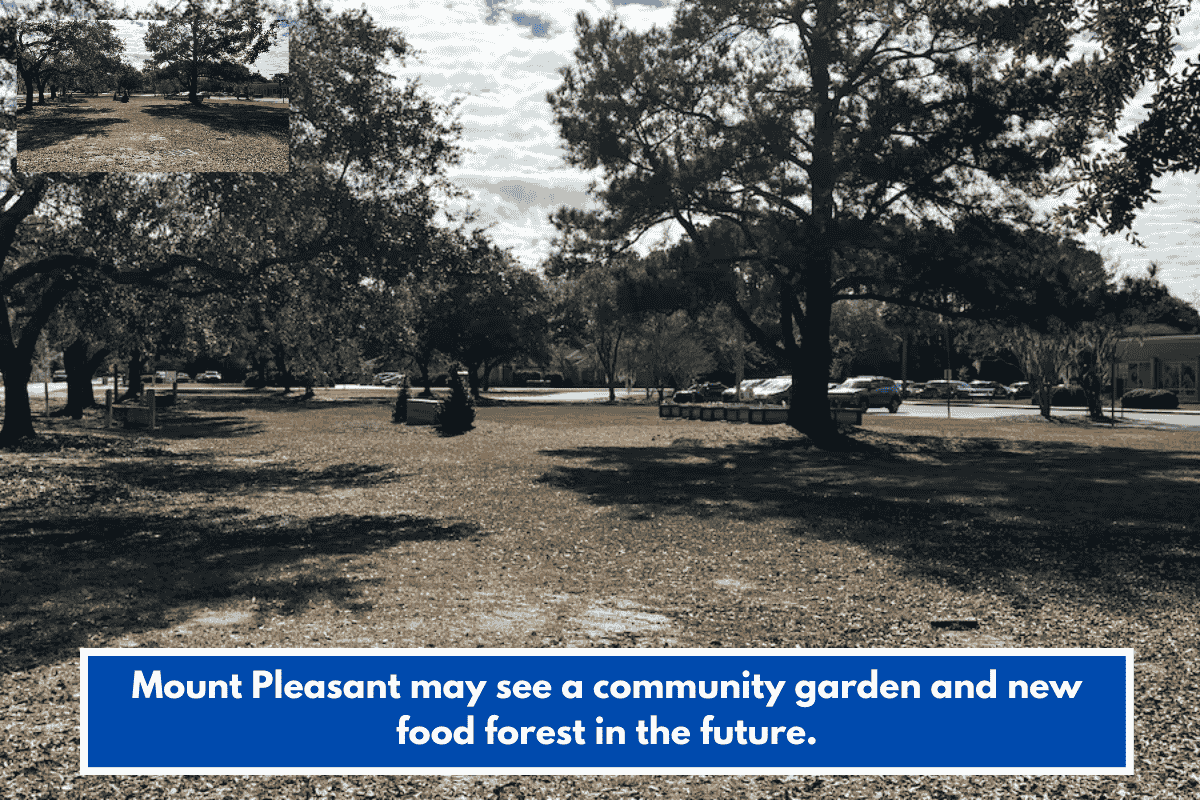
Mount Pleasant, South Carolina, is advancing plans for a sustainable food forest and community garden at the R.L. Jones Center. The Health, Recreation, & Events Committee recently discussed the project, highlighting its potential as a perennial green space that differs from traditional annual gardens.
Key Features and Benefits
- Perennial Design: Unlike standard gardens requiring yearly replanting, this food forest uses long-lived plants like blueberry bushes for ongoing yields, as explained by David Quick, Chairman of the Mount Pleasant Green Commission.
- Ecological Support: It will attract wildlife, pollinators, hawks, hummingbirds, and butterflies, fostering a balanced ecosystem.
- Community Engagement: Offers hands-on activities like weeding and harvesting to build neighborly connections and provide multi-generational learning.
- Food Security: Free fresh produce could aid food-insecure residents and local food banks, complementing the town’s acclaimed farmers’ market.
- Wellness Space: Serves as a peaceful retreat for recreation, reading, or simply enjoying nature, even for non-participants.
Leadership Insights
Town Recreation Director TJ Rostin emphasized the project’s alignment with Mount Pleasant’s love for green spaces, calling it a “little farm” that demonstrates commitment to naturalistic living. Quick stressed reconnecting with nature through repeated community gatherings.
The initiative remains in early design stages, with officials optimistic about enhancing the town’s inclusive, nature-focused identity. This fits broader South Carolina trends in community-driven environmental projects, promoting food sovereignty and mental health.
Have you attended similar community gardens in the Southeast, or are you interested in ways to get involved locally?