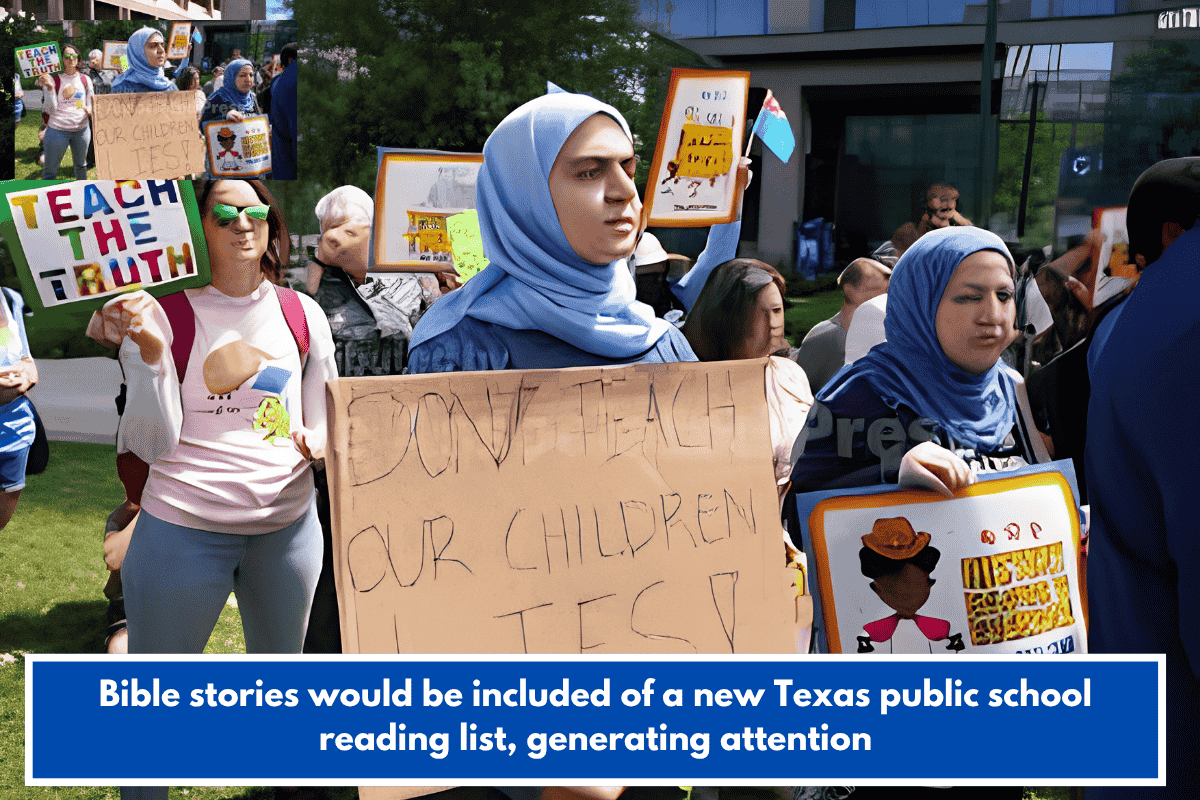
Texas is moving toward requiring students to read biblical stories like Jonah and the whale in public schools, making the state the center of a new national debate over how much religion should be woven into classroom lessons.
What the proposal would do
Under the plan being reviewed by the Texas State Board of Education, students from kindergarten to 12th grade would read a state‑approved list of texts that includes Bible narratives such as:
- The Road to Damascus (Paul’s conversion) for third graders.
- The Book of Job for seniors.
- Other Bible‑linked and religiously themed stories, alongside works like The Cat in the Hat, Daniel Boone tales, and writings by Frederick Douglass, Martin Luther King Jr., and Harriet Tubman. [web]
The list stems from a 2023 Texas law (HB 1605) that required the state to create a “high‑quality” reading list, and final approval is expected in June 2030, with implementation several years later.
Moral vs. constitutional clash
Supporters, including many conservative Christian parents and pastors, argue that these stories are essential to understanding American history, morals, and a “Christian worldview” on which the country was founded.
Opponents, including some religious leaders such as Rabbi Josh Fixler, say the list crosses the line from teaching ABOUT religion into teaching religion, violating the First Amendment’s establishment clause, which bars government from establishing or favoring a specific faith.
Texas setting a national tone
Texas already became the first state to allow chaplains in public schools in 2023 and recently mandated that the Ten Commandments be displayed in school buildings, though many districts took them down due to lawsuits.
The state’s large public‑school system—serving about 1 in 10 U.S. students—means its decisions on religious content can influence laws and court battles in other Republican‑led states, where similar efforts to add the Bible or religious texts into classrooms are also underway.
Broader curriculum debates
The Bible‑infused reading list is part of a larger push in Texas to reshape both language arts and social studies, with critics arguing the new standards are overly Texas‑centric and filled with American exceptionalism while downplaying global history. [web]
At the same time, debates like this echo older fights—such as when Kansas and other states pushed for alternatives to teaching evolution—showing how struggles over what gets taught in schools continue to pit religious identity, patriotism, and constitutional law against each other.