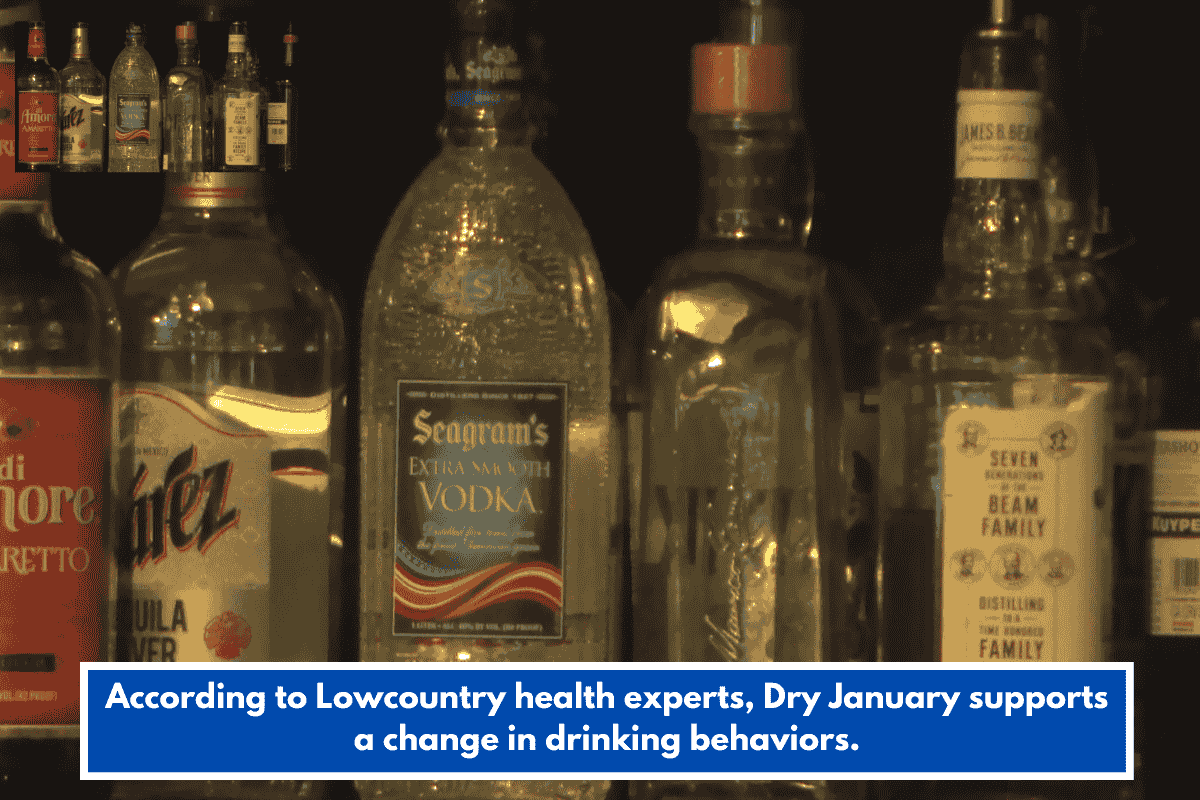
This article from Charleston, S.C., spotlights Dry January—a popular New Year’s challenge to skip alcohol for 30 days. Launched in 2012 by a British charity, it’s now trending in the U.S. as a post-holiday reboot. Local expert Dr. Neil McDevitt from East Cooper Novant emphasizes its benefits and ties it to broader wellness habits.
Key Health Benefits Cited
Health pros, including Harvard Medical School referencing a BMJ Open study, highlight quick wins from a booze break:
- Better sleep and energy: Participants reported improved rest and vitality.
- Weight loss and lower blood pressure: Bodies redirect energy from alcohol processing to fat burning.
- Reduced cancer risk markers: Lower levels of certain blood proteins linked to cancer.
McDevitt notes alcohol hijacks the body’s resources, preventing fat burn and other functions. He views Dry January as a “personal check-in”—if skipping drinks for a week feels tough, it might signal a need to reevaluate habits.
Practical Tips from the Expert
McDevitt urges swapping alcohol for active alternatives to mimic its brain chemistry perks:
- Exercise outdoors to boost mood naturally.
- Reset relationships with food, movement, and drinks for long-term success into spring.
- Ditch outdated ideas of “moderate” drinking benefits—modern research shows no safe level exists.
This aligns with growing evidence: even short abstinence yields measurable gains without downsides.
Local Charleston Angle
As a Charleston-area resident, you’re in a prime spot for Dry January. East Cooper Novant offers bariatric services, and the region’s trails (like those at James Island County Park or nearby Francis Marion National Forest) fit McDevitt’s outdoor push. Local spots like breweries often host sober events—check Post and Courier for 2026 listings.
Thinking of trying it? What healthy swap are you considering, like a new hike or mocktail recipe?