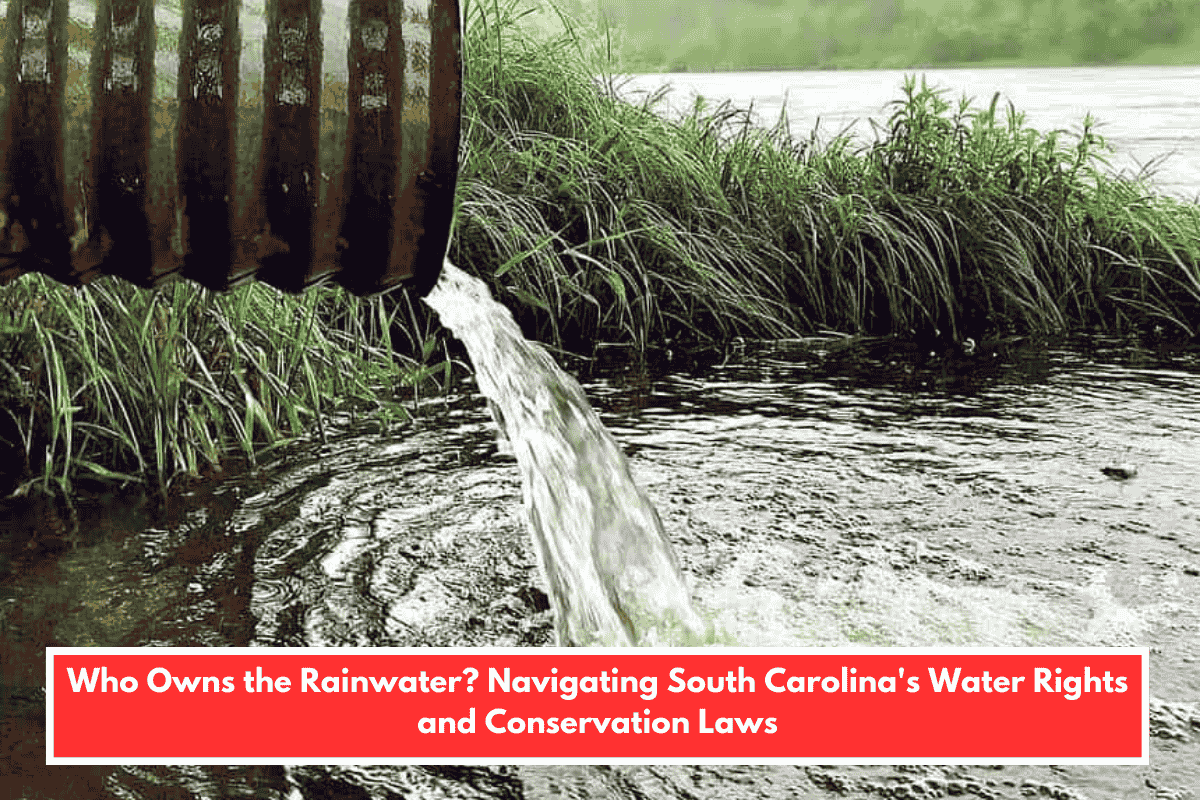
In South Carolina, you own the rainwater that falls on your private property, with no state restrictions on collection for personal use.
Ownership Rights
South Carolina follows riparian water rights doctrine, granting landowners control over surface water (including rain) on their land for reasonable domestic, agricultural, or recreational purposes—no permits needed for harvesting via barrels, cisterns, or roofs. This contrasts with prior appropriation states like Colorado.
Collection Rules
Rainwater harvesting is legal, encouraged statewide, and explicitly allowed in residential plumbing codes for non-potable uses like irrigation or flushing toilets. No volume caps or registration apply, unlike states such as Colorado (110 gallons max unregistered).
Conservation Laws
State incentives promote harvesting to ease groundwater strain amid droughts, with rebates in areas like Charleston for systems reducing municipal demand. Local HOAs or coastal zoning may add aesthetic rules, but no broad prohibitions exist.