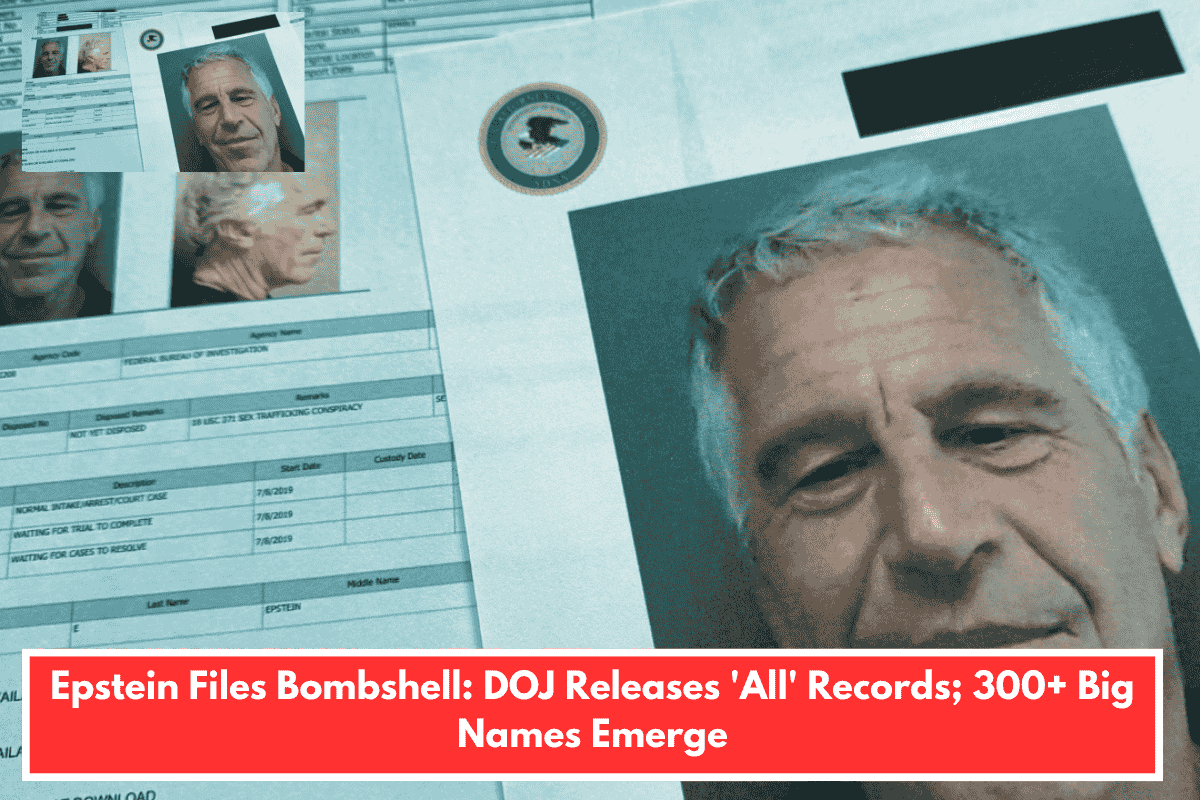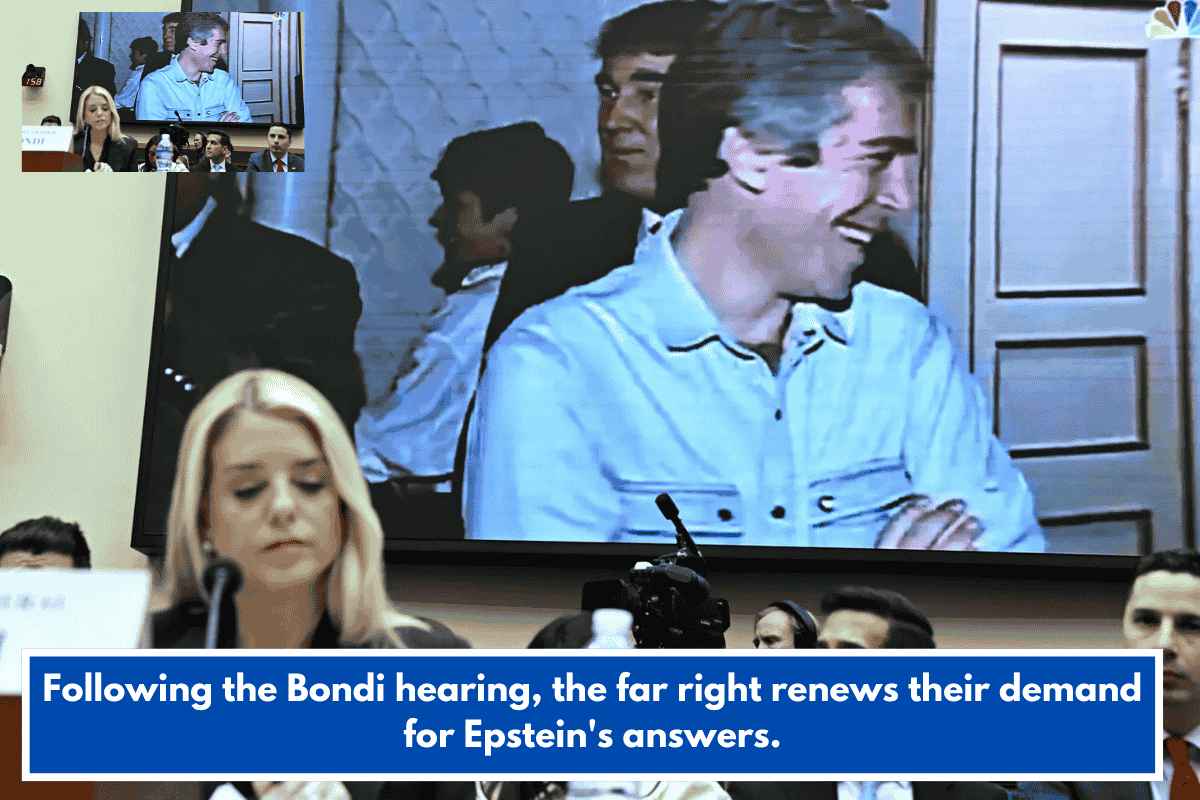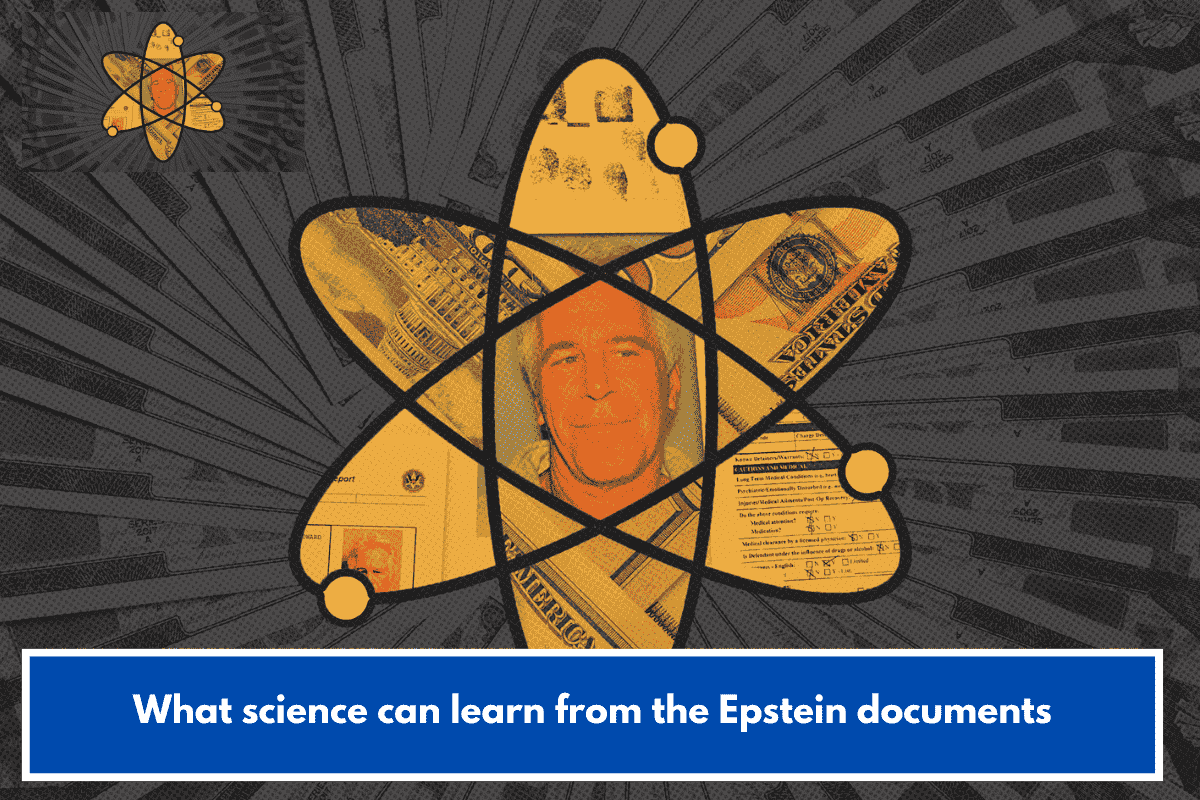
This editorial responds to the latest Jeffrey Epstein files, highlighting his ties to scientists (including chemists) and the ethical dilemmas of accepting funding from controversial donors. It argues for balanced scrutiny without presuming guilt from mere associations.
Epstein’s Science Connections
Epstein donated to researchers even after his 2008 conviction, building influence until 2019. The files show emails and meetings, but name-dropping alone isn’t proof of complicity—pre-conviction contacts were common in elite networks.
Core Ethical Tension
Researchers need funding, often from private sources with few strings attached. While funders vet scientists’ ethics via established frameworks, the reverse is rare: little guidance exists for researchers to screen donors’ backgrounds, politics, or crimes. Public funding helps but can’t cover everything and has its own biases.
Proposed Solution: Funder Principles
The piece suggests a simple checklist for funders, signable before grants:
- Independence: Researchers aren’t obligated to endorse the funder’s politics or personal views.
- Fair Labor: Align with standards like the International Labour Organization’s guidelines.
- Transparency: Full fiscal openness, plus researchers’ right to exit penalty-free if the funder is convicted of crimes.
This mirrors ethics statements researchers already sign, educating both sides without judging “good” vs. “bad” money.
It’s a pragmatic call for conversation, emphasizing that power imbalances in patronage are age-old—better to set ground rules than shun all private funds.
For real-world parallels, see MIT’s 2019 Epstein fallout, where they returned donations and tightened donor policies. How do you think this applies to fields like yours, or want examples of current research funding ethics codes?