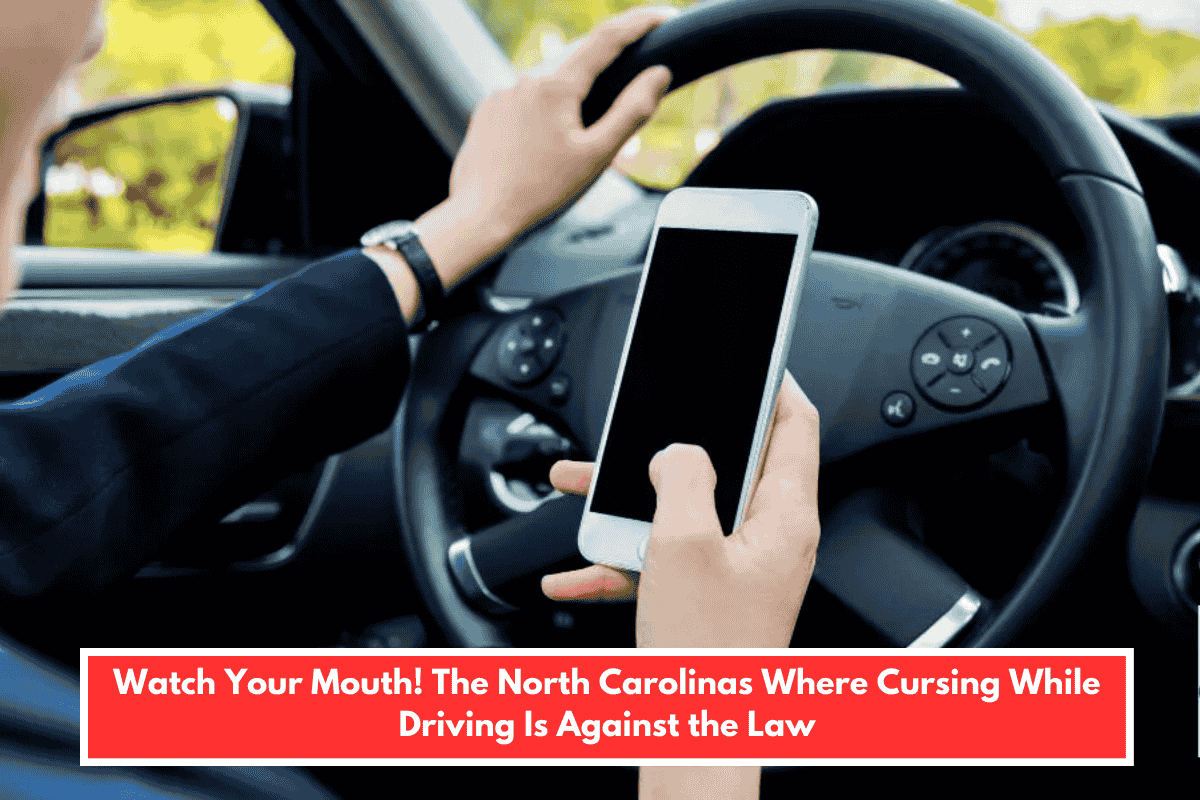
North Carolina General Statute §14-197 technically prohibits using profane or indecent language in a loud and boisterous manner on public highways within earshot of two or more people, classifying it as a Class 3 misdemeanor. However, this 1913 law targeting public roads has faced constitutional challenges, including a 2017 superior court ruling deeming it an unconstitutional free speech violation in certain cases.
Law Details
The statute applies to highways and public roads (not private property), exempting counties like Pitt and Swain, with penalties limited to fines or brief jail time for disorderly conduct-like behavior. No specific “cursing while driving” clause exists—distracted driving laws separately ban texting but allow calls.
Enforcement Reality
Post-ruling, prosecutions are rare due to First Amendment protections unless words incite violence (“fighting words”). Urban legend amplifies it as a blanket ban; modern enforcement prioritizes safety over speech.
SOURCES
[1](https://law.justia.com/codes/north-carolina/2013/chapter-14/article-26/section-14-197)
[2](https://www.acluofnorthcarolina.org/press-releases/states-anti-profanity-law-unconstitutional-rules-superior-court-judge/)
[3](https://worldpopulationreview.com/state-rankings/profanity-laws-by-state)
[4](https://carscounsel.com/north-carolina-distracted-driving-laws/)
[5](https://legalclarity.org/north-carolina-traffic-laws-regulations-and-penalties-guide/)