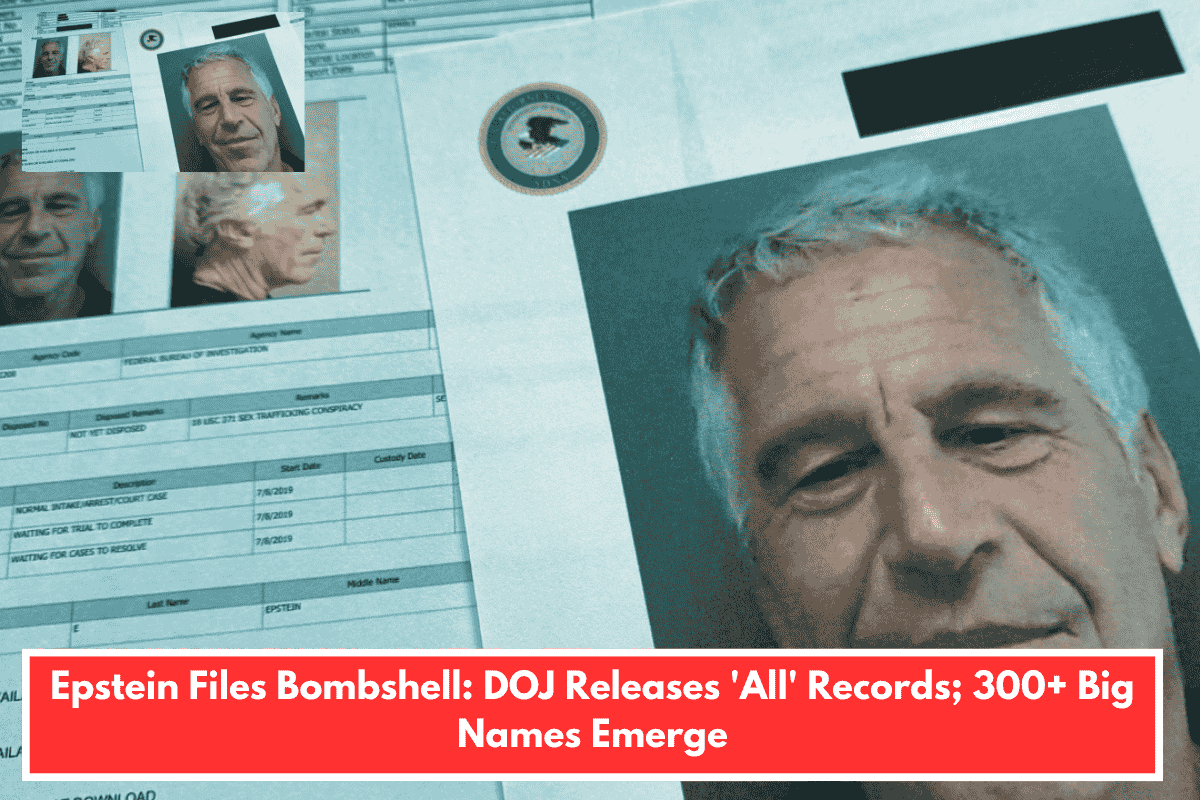
The article highlights a key transatlantic divide in accountability for Epstein ties: Europe enforces swift consequences via parliamentary pressure and cultural norms, while U.S. political insulation—fueled by money and term limits—shields many prominent figures.
Key European Consequences
European cases show rapid fallout, often beyond sex allegations to include financial or informational ties:
- UK: Prince Andrew lost titles, royal estate access, and now faces a police probe for allegedly sharing 2010 trade secrets with Epstein. Peter Mandelson resigned as U.S. ambassador and from the House of Lords; he’s under criminal investigation for Epstein payments and document-sharing. PM Keir Starmer apologized amid resignation calls.
- France: Ex-culture minister Jack Lang quit his Paris cultural center post after ministry questioning.
- Norway: Ex-PM Thorbjørn Jagland charged with “gross corruption” (up to 10 years prison) for Epstein stays and island visits. Ambassador Mona Juul resigned over a $10M bequest to her kids. Crown Princess Mette-Marit apologized for a Palm Beach vacation at an Epstein property.
These stem from parliamentary systems where MPs can force resignations, per ethics expert Richard Painter—leaders face voter accountability via elections.
U.S. Insulation and Limited Fallout
Prominent Americans largely retain power:
- Trump: Frequent Epstein mentions as a Palm Beach neighbor and friend (pre-conviction fallout, per Trump). Second-term status blocks reelection pressure.
- Howard Lutnick (Commerce Sec): Admitted 2012 family trip to Epstein’s island, contradicting prior “limited interactions” claim.
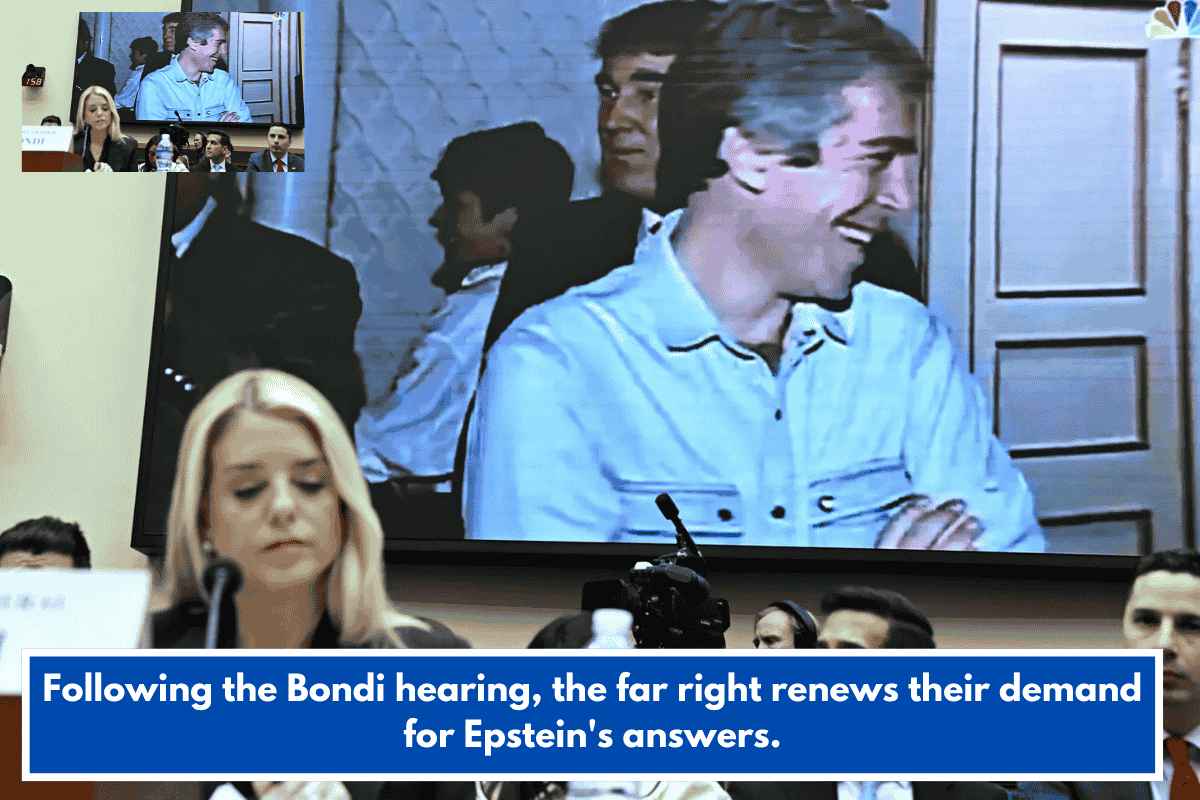
- Others: Bill Clinton associated but no noted consequences. AG Pam Bondi criticized for “selective” file releases under bipartisan law, possibly shielding Republicans.
A few stepped down: Larry Summers (ex-Treasury Sec) left Harvard teaching; Brad Karp quit Paul Weiss chair; Kathryn Ruemmler resigns Goldman Sachs counsel by June.
Painter attributes U.S. differences to “massive money in politics” protecting billionaires, contrasting Europe’s “humiliation” over hobnobbing with a “fake billionaire” sex trafficker.
This pattern underscores structural variances—Europe’s accountability via public/parliamentary scrutiny vs. U.S. executive protections—though full files could shift dynamics. What’s your take on whether U.S. reforms like campaign finance changes could bridge this gap?