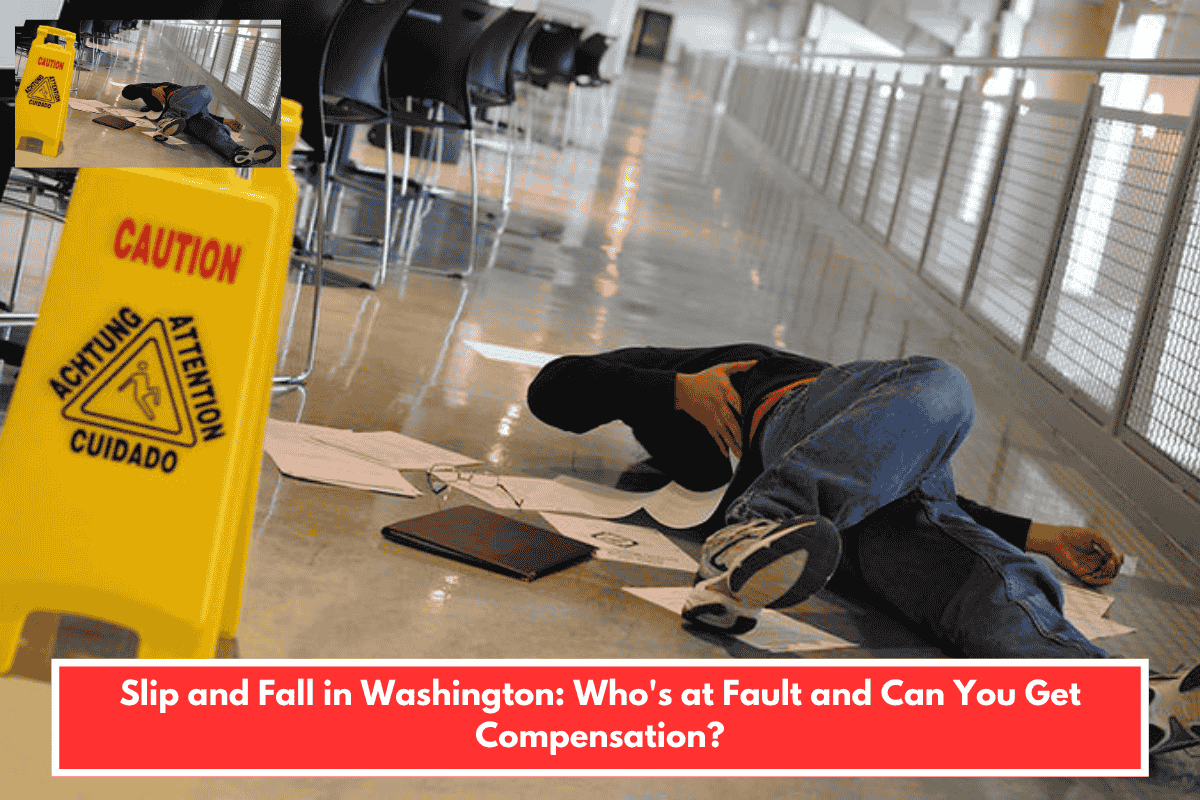
Washington property owners are liable for slip-and-fall injuries under premises liability if they fail to maintain safe conditions or warn of known hazards. Fault hinges on proving negligence through duty, breach, causation, and damages, with pure comparative negligence allowing recovery even if partially at fault. Compensation covers medical bills, lost wages, and pain, subject to a three-year statute of limitations.
Proving Fault
Courts assess if owners knew or should have known of dangers like wet floors or uneven pavement and failed to act reasonably, such as by cleaning spills or posting signs. Actual (direct observation) or constructive (long enough to discover) notice establishes liability. Plaintiffs must show the hazard directly caused injury via photos, witnesses, and records.
Compensation Rules
Pure comparative fault reduces awards proportionally; 30% plaintiff fault on a $100,000 claim yields $70,000. Public property claims follow similar negligence standards but require strict notice under RCW 4.96. Recoverable damages include economic losses and non-economic pain/suffering, barring total plaintiff fault.
Key Defenses
Common defenses challenge plaintiff negligence (e.g., running or ignoring warnings), trespasser status limiting owner duty, or open/ obvious hazards. Government entities face procedural hurdles but share liability for negligent maintenance. Consult local counsel promptly post-incident.