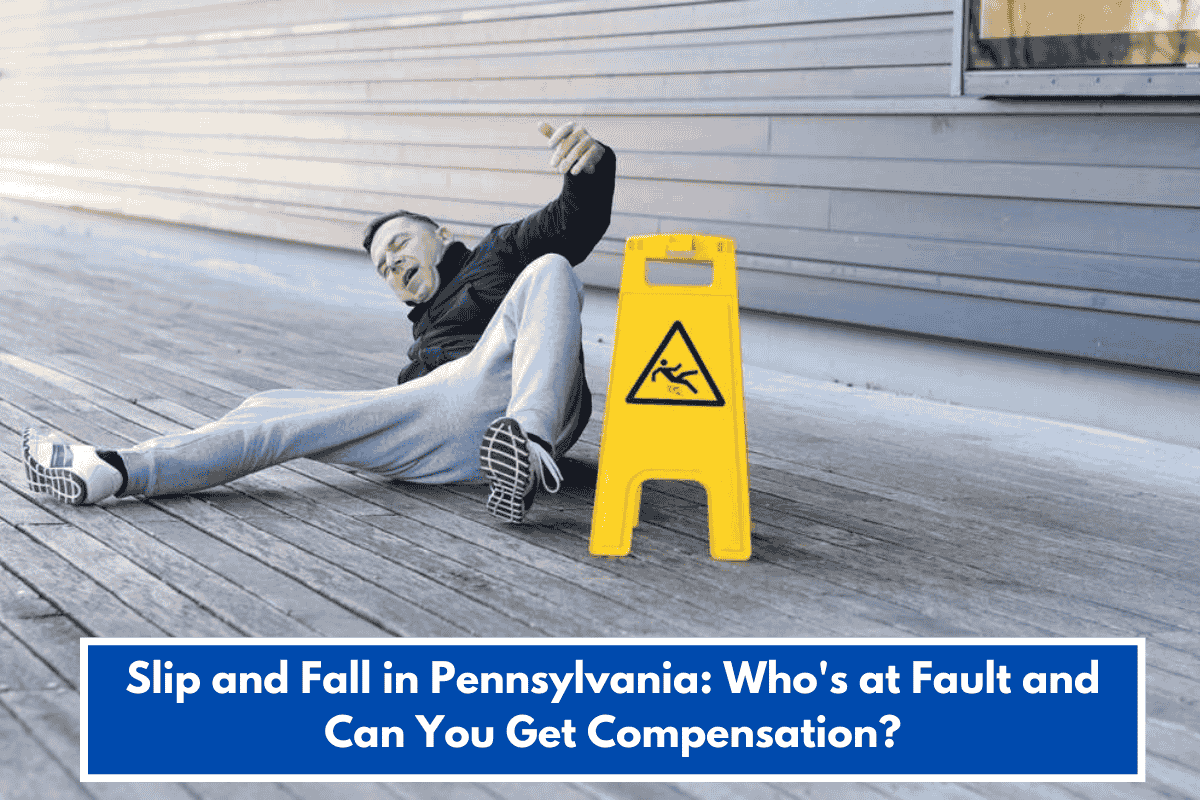
Pennsylvania follows premises liability laws where property owners owe varying duties of care based on visitor status, allowing compensation for slip-and-fall injuries if negligence is proven. Fault hinges on whether owners knew or should have known about hazards like wet floors or uneven surfaces and failed to act. Comparative negligence applies, reducing awards proportionally to the injured party’s fault if under 51% responsible.
Fault Determination
Property owners must maintain safe conditions for invitees (e.g., customers) by inspecting regularly and fixing or warning of dangers; licensees (e.g., social guests) get warnings of known hazards; trespassers receive minimal protection except for artificial conditions. Plaintiffs prove claims via four elements: duty owed, breach (e.g., unaddressed spill), causation linking hazard to injury, and damages like medical costs or lost wages. Evidence such as photos, witness statements, and maintenance logs strengthens cases.
Compensation Process
Victims can seek economic damages (bills, wages) and non-economic (pain, suffering) through settlements or lawsuits filed within the two-year statute of limitations from injury date. Pennsylvania’s modified comparative fault bars recovery if over 50% at fault but allows partial awards otherwise, e.g., 30% fault cuts payout by 30%. Successful claims often settle pre-trial, but litigation proves liability via discovery.
SOURCES
[1](https://www.brandonjbroderick.com/pennsylvania/what-premises-liability-pa)
[2](https://www.getyourselfagoodlawyer.com/blog/2024/8/26/d38rwt4dpn9y9osuj95fgdza708zmi)
[3](https://theslocumfirm.com/news-articles/understanding-premises-liability-laws-in-pennsylvania/)
[4](https://rosenjustice.com/blog/pennsylvania-premises-liability-law/)
[5](https://www.barattalawfirm.com/2023/04/03/pennsylvania-premises-liability-what-you-need-to-know/)