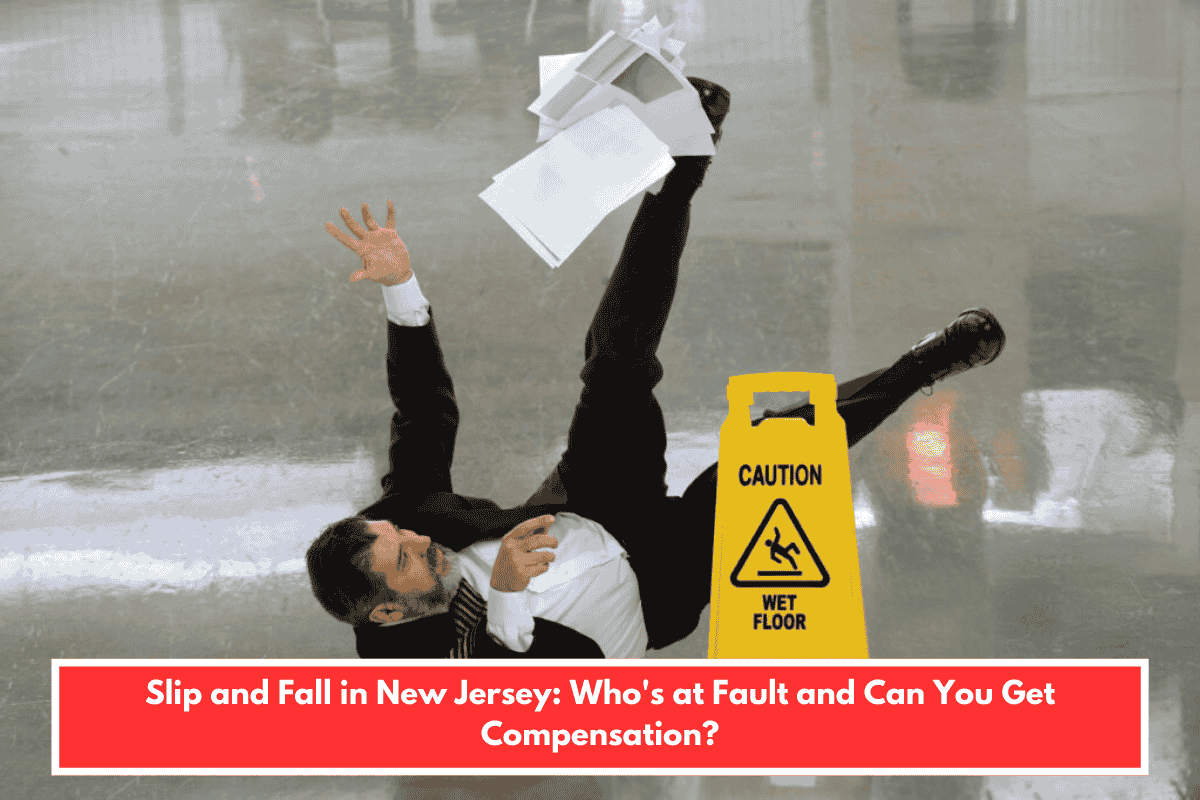
In New Jersey, slip and fall cases fall under premises liability law, where fault typically lies with property owners or occupiers who fail to maintain safe conditions. Compensation is possible if negligence is proven, though awards vary widely based on injury severity and fault allocation.
Determining Fault
Property owners owe a duty of care to lawful visitors, requiring regular inspections, hazard repairs, and warnings for known dangers like wet floors or ice.
To prove fault, show the owner knew or should have known about the hazard (actual or constructive notice), breached their duty, and caused your injuries via evidence like photos, witnesses, or maintenance logs.
Liable parties include business owners, landlords, tenants controlling the area, or even government entities.
Comparative Negligence Rule
New Jersey uses a modified comparative negligence rule: if you’re 50% or less at fault (e.g., ignoring signs or wearing improper shoes), you can recover damages reduced by your fault percentage.
If over 50% responsible, no compensation is allowed.
This rule applies strictly in slip and fall claims.
Compensation Possibilities
Victims can seek economic damages (medical bills, lost wages) and non-economic damages (pain and suffering), with no caps on compensatory awards.
National slip and fall settlements average $15,000–$45,000, but New Jersey personal injury medians reach $100,000; severe cases have settled for $1.75 million.
Punitive damages are possible for egregious conduct but capped at the greater of 5x compensatory damages or $350,000.