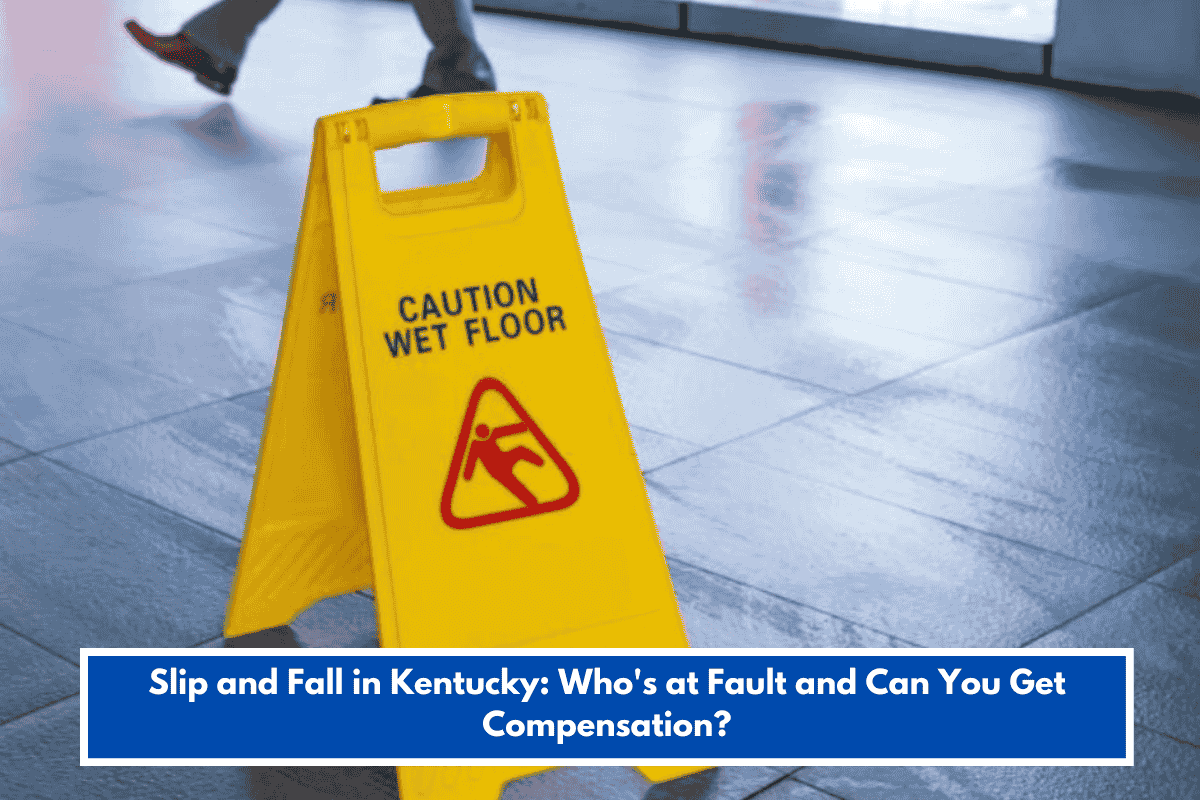
Kentucky slip and fall cases fall under premises liability law, where property owners must exercise ordinary care to keep premises safe, and fault is determined by proving negligence. Compensation is available even under pure comparative fault if the injured party is less than 100% at fault, covering medical bills, lost wages, and pain.
Fault Determination
Property owners, managers, or operators are liable if they knew or should have known of a hazard (like wet floors or uneven surfaces) and failed to fix it or warn visitors. Plaintiffs must show the premises were unsafe, the owner had a reasonable chance to remedy it, and the hazard wasn’t open and obvious. Visitor status matters: invitees get highest care (inspections/warnings), licensees warnings for known dangers, trespassers minimal protection.
Compensation Eligibility
Victims can recover economic damages (medical costs, lost income) and non-economic (pain, suffering) if negligence is proven. Pure comparative fault reduces awards proportionally; e.g., 20% victim fault cuts recovery by 20% per KRS §411.182. Claims must file within one year of the incident.
Common Hazards
- Wet or slippery floors without signs.
- Uneven surfaces like cracked sidewalks.
- Poor lighting or cluttered walkways.
SOURCES
[1](https://www.oal-law.com/blog/kentucky-slip-and-fall-laws/)
[2](https://www.brandonjbroderick.com/kentucky/damages-available-after-slip-and-fall-accident-kentucky)
[3](https://gladsteinlawfirm.com/who-is-liable-for-a-slip-and-fall-accident/)
[4](https://www.stapleton-law.com/premises-liability-slip-and-fall-law-in-wv-ky-and-ohe4c1a468)
[5](https://emerylawoffice.com/practice-area/louisville-slip-and-fall-lawyer/how-does-a-slip-and-fall-lawsuit-work/)