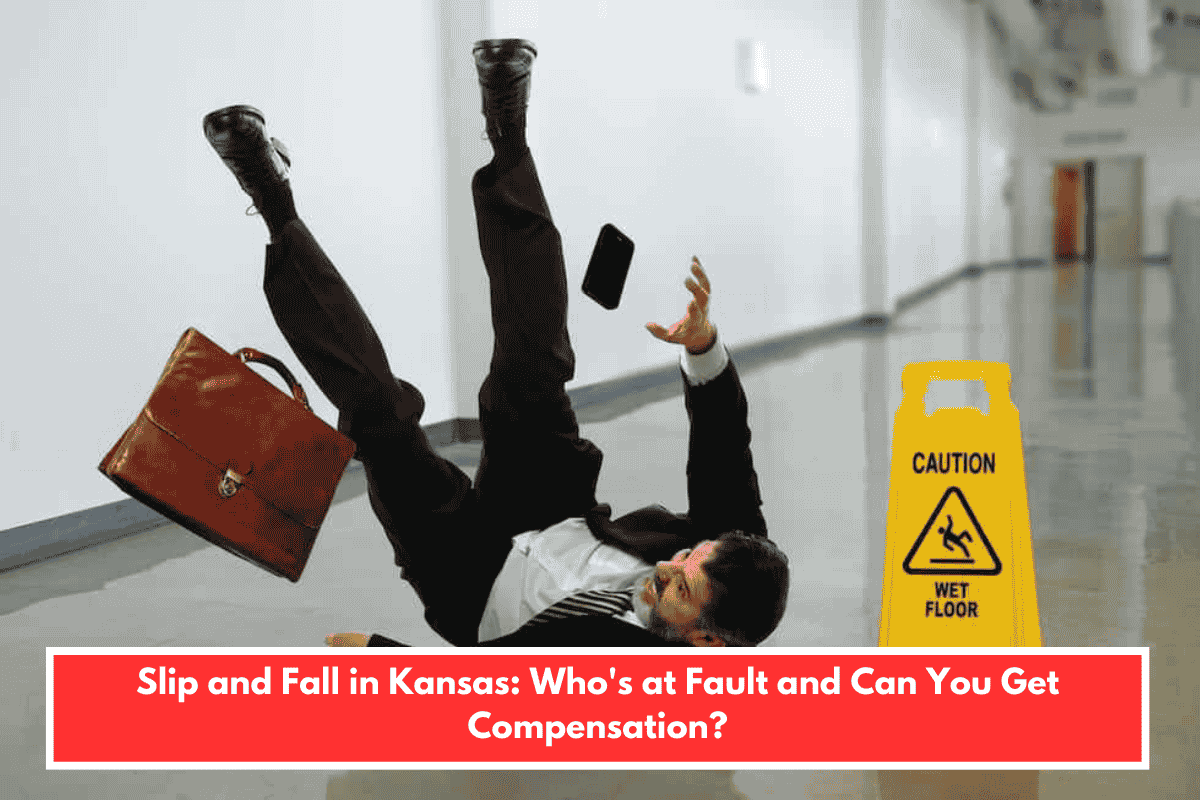
In Kansas, property owners can be held liable for slip-and-fall injuries under premises liability law if they fail to maintain safe conditions, but victims must prove negligence and their own fault must be under 50% due to the modified comparative negligence rule.
Fault Determination
Property owners owe a duty to inspect and fix (or warn about) hazards like wet floors, poor lighting, uneven surfaces, or debris that they created, knew about, or should have discovered through reasonable care. Plaintiffs must show the owner breached this duty, causing the fall—evidence like incident reports, surveillance, or witness statements helps. Comparative fault reduces awards proportionally (e.g., 20% victim fault cuts payout by 20%), but bars recovery if over 50%.
Compensation Available
Successful claims cover medical bills, lost wages, pain and suffering, and sometimes punitive damages if gross negligence occurred. No strict liability applies; open-and-obvious dangers (e.g., ignoring warning signs) often shift blame to the victim. Statute of limitations is two years from injury.
Common Defenses
Owners argue victim distraction (e.g., phone use), improper footwear, or trespassing status to minimize liability. Business invitees get highest protection; licensees less so. Consult a lawyer promptly for evidence preservation, as insurers aggressively contest these cases.