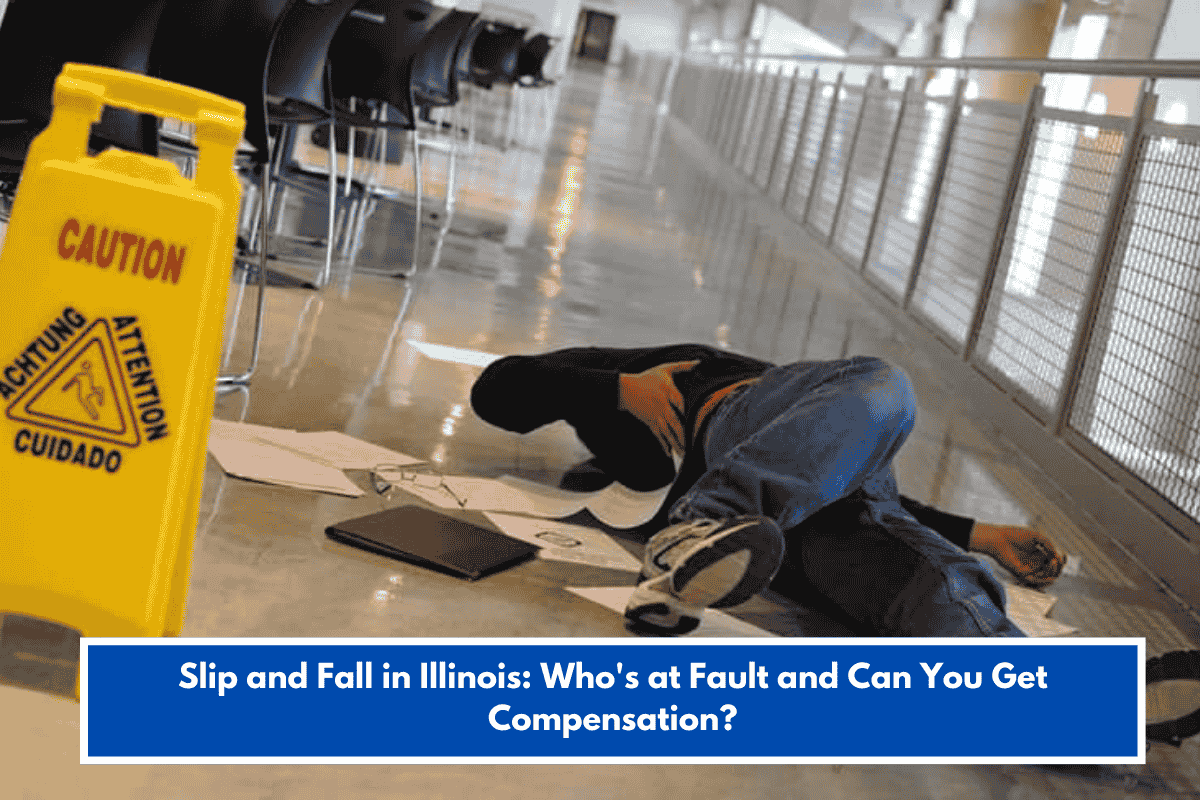
In Illinois, slip and fall cases fall under premises liability law, where property owners or occupiers must keep premises reasonably safe. Fault hinges on proving negligence—duty of care, breach, causation, and damages—via evidence like photos or witnesses. Compensation is possible for medical bills, lost wages, and pain if liability sticks, but modified comparative negligence bars recovery if you’re over 50% at fault.
Determining Fault
Property owners owe invitees (customers) the highest duty to inspect and fix hazards like wet floors or ice; licensees get less, trespassers minimal. Owners are liable if they knew or should have known of the danger and failed to act or warn. “Open and obvious” hazards may reduce liability unless unavoidable.
Compensation Options
Victims can pursue economic damages (bills, income loss) and non-economic (pain, suffering) through settlements or lawsuits. File within the two-year statute of limitations from injury date, or claims expire. Payouts reduce by your fault percentage under 51% threshold.
SOURCES
[1](https://www.shumanlegal.com/slip-and-fall-law-in-illinois/)
[2](https://illinoishammer.com/faq/who-is-liable-for-a-slip-and-fall-injury-in-illinois/)
[3](https://www.palermolawgroup.com/blog/illinois-slip-and-fall-laws)
[4](https://www.nolo.com/legal-encyclopedia/illinois-slip-and-fall-laws.html)
[5](https://mjblawchicago.com/slip-and-fall-injuries-what-you-need-to-know-about-slip-and-fall-injury-laws-in-illinois/)