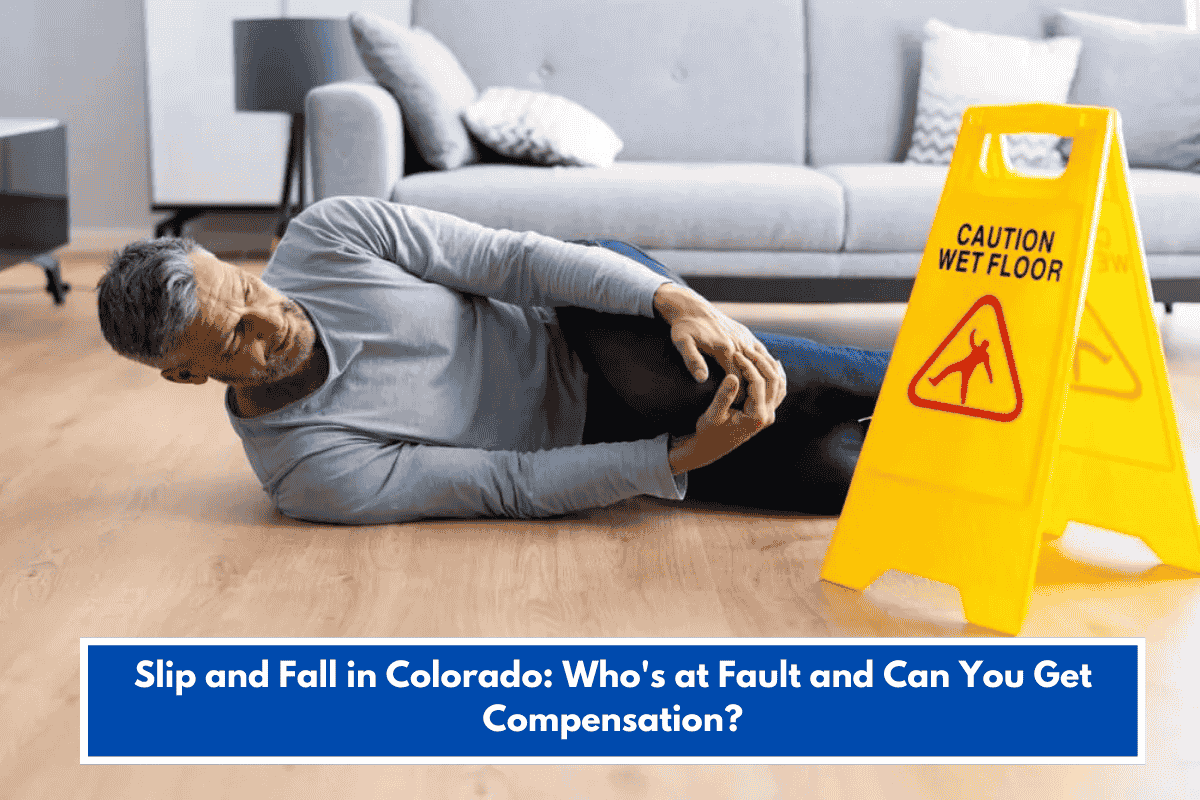
Colorado follows the Premises Liability Act (Colo. Rev. Stat. § 13-21-115) for slip and fall cases, assigning fault based on the property owner’s knowledge of dangers and the injured party’s status as invitee, licensee, or trespasser. Owners or occupiers owe the highest duty to invitees (customers) to inspect and fix hazards like wet floors or ice, while comparative negligence reduces or bars recovery if you’re 51% or more at fault. Compensation covers medical bills, lost wages, pain, and more if negligence is proven, typically within a two-year statute of limitations.
Fault Determination
Courts assess if the owner knew or should have known about the hazard and failed to warn or remedy it reasonably. Invitees get protection from foreseeable risks; licensees need actual knowledge of danger; trespassers rarely recover except willful acts.
Open and obvious dangers no longer fully bar claims but increase your fault percentage under modified comparative rules.
Compensation Eligibility
Victims can seek economic damages (uncapped), non-economic up to $1.5 million (2025 cap), and impairment awards if injuries persist. Evidence like photos, witnesses, and incident reports proves liability against stores, landlords, or businesses.
Success hinges on showing breach of duty, such as no “wet floor” signs or unaddressed spills.
SOURCES
[1](https://www.nolo.com/legal-encyclopedia/colorado-slip-and-fall-laws.html)
[2](https://lampertwalsh.com/slip-fall-liability-in-colorado-whos-at-fault-in-a-business/)
[3](https://www.killianlaw.com/colorado-slip-fall-premises-liability/)
[4](https://zanerhardenlaw.com/blog/slip-and-fall-on-ice/)
[5](https://coloinjurylaw.com/blog/understanding-premises-liability-slip-and-fall-personal-injury-cases-in-colorado/)