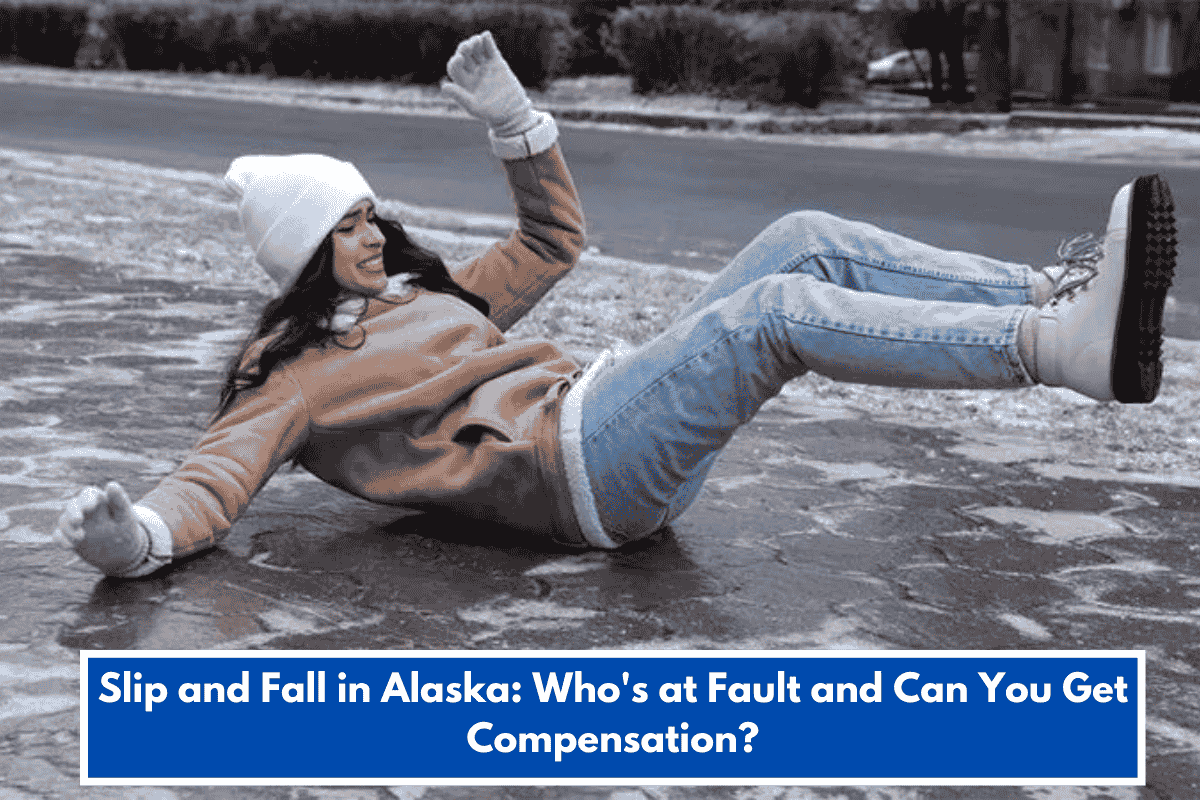
In Alaska, slip and fall cases fall under premises liability laws, where property owners or managers can be held at fault if they fail to maintain safe conditions or warn of known hazards like icy walkways, wet floors, or uneven surfaces.
Determining Fault
Property owners owe a duty of reasonable care to visitors, regardless of status like invitee or trespasser. Fault hinges on proving the owner knew or should have known about the danger—via maintenance records, photos, or witnesses—and neglected to fix it or warn others. Common hazards include snow, debris, poor lighting, and damaged stairs.
Comparative Negligence Rule
Alaska applies pure comparative negligence, allowing recovery even if you’re mostly at fault—up to 99%—with compensation reduced by your share. For instance, 20% fault means you get 80% of damages.
Compensation Possibilities
Victims can seek damages for medical bills, lost wages, pain, and more, with amounts varying by injury severity and liability clarity. Alaska examples include a $158,623 verdict for an ice slip at an airline terminal and $80,341 for a tenant’s fall. Statute of limitations is two years from the incident.
SOURCES
[1](https://www.trialguy.com/slips-trips-and-falls/)
[2](https://www.907attorney.com/slip-and-fall-accidents/)
[3](https://www.injuryak.com/anchorage-premises-liability-lawyer/)
[4](https://www.kelleyandcanterbury.com/practice-areas/trips-slips-falls/)
[5](https://jimglaserlaw.com/who-is-at-fault-in-a-slip-and-fall-case/)