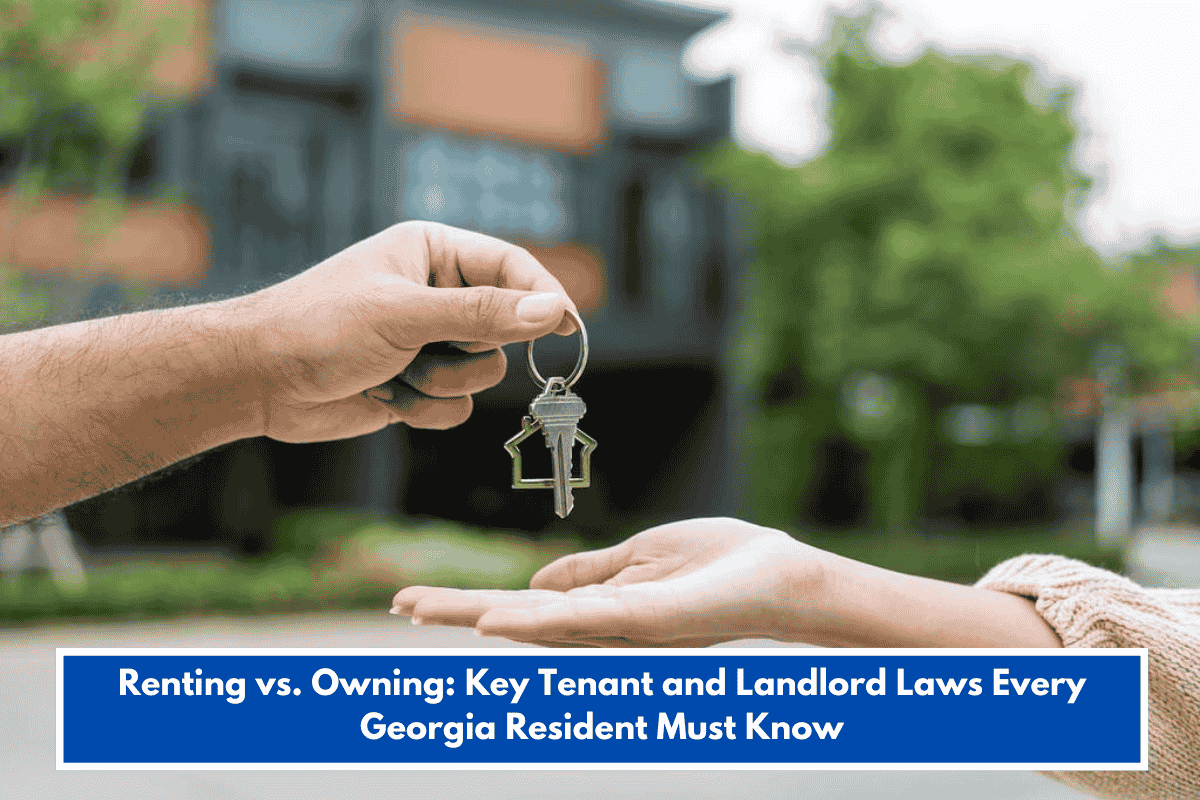
Georgia residents deciding between renting and owning a home must understand key landlord-tenant laws that protect tenants and outline landlord duties, primarily under Georgia Code Title 44, Chapter 7. These laws emphasize habitability, fair treatment, and structured processes for disputes like evictions. Recent 2024-2025 updates, such as security deposit caps and minimum notice periods, strengthen tenant protections while balancing landlord rights.
Tenant Rights
Tenants in Georgia have the right to safe, habitable housing free from health hazards, pests, and structural issues under the “Safe at Home Act,” with landlords required to maintain utilities, plumbing, and building integrity. They are entitled to privacy, reasonable notice before landlord entry (typically 24 hours), and protection from discrimination based on race, color, religion, gender, familial status, national origin, or disability per federal Fair Housing Act and state law. Tenants can pursue remedies like repair-and-deduct for unaddressed issues after written notice or sue for negligence.
Landlord Responsibilities
Landlords must provide habitable units, comply with building codes, and handle repairs promptly—emergencies within 24-48 hours and others within 30 days. They are required to disclose lead-based paint (pre-1978 homes), flooding history, security deposit locations, and deaths if asked, while returning deposits (capped at two months’ rent) within 30 days with itemized deductions. Evictions demand strict processes, starting with notices like 3 days for nonpayment.
Key Rental Laws
Security deposits cannot exceed two months’ rent, with no interest required but escrow or bonding for owners of 10+ units. Rent lacks statewide control or grace periods, but late fees must be reasonable and lease-specified; bounced checks allow $30 or 5% fees. Evictions require notices (3 days for nonpayment or violations, 60 days for month-to-month non-renewal) before court filing, prohibiting self-help removals.
Renting vs. Owning Comparison
Official Resources
Consult the Georgia Landlord-Tenant Handbook from the Department of Community Affairs for full details and dispute guidance. Local codes may add rules, and courts handle enforcement without state mediation. For personalized advice, contact Legal Aid of Georgia or HUD.
SOURCES
[1](https://innago.com/georgia-landlord-tenant-laws/)
[2](https://www.tenantcloud.com/laws/landlord-tenant-laws-georgia)
[3](https://www.doorloop.com/laws/georgia-landlord-tenant-rights)
[4](https://innago.com/georgia-eviction-process/)
[5](https://www.azibo.com/blog/georgia-landlord-tenant-laws)