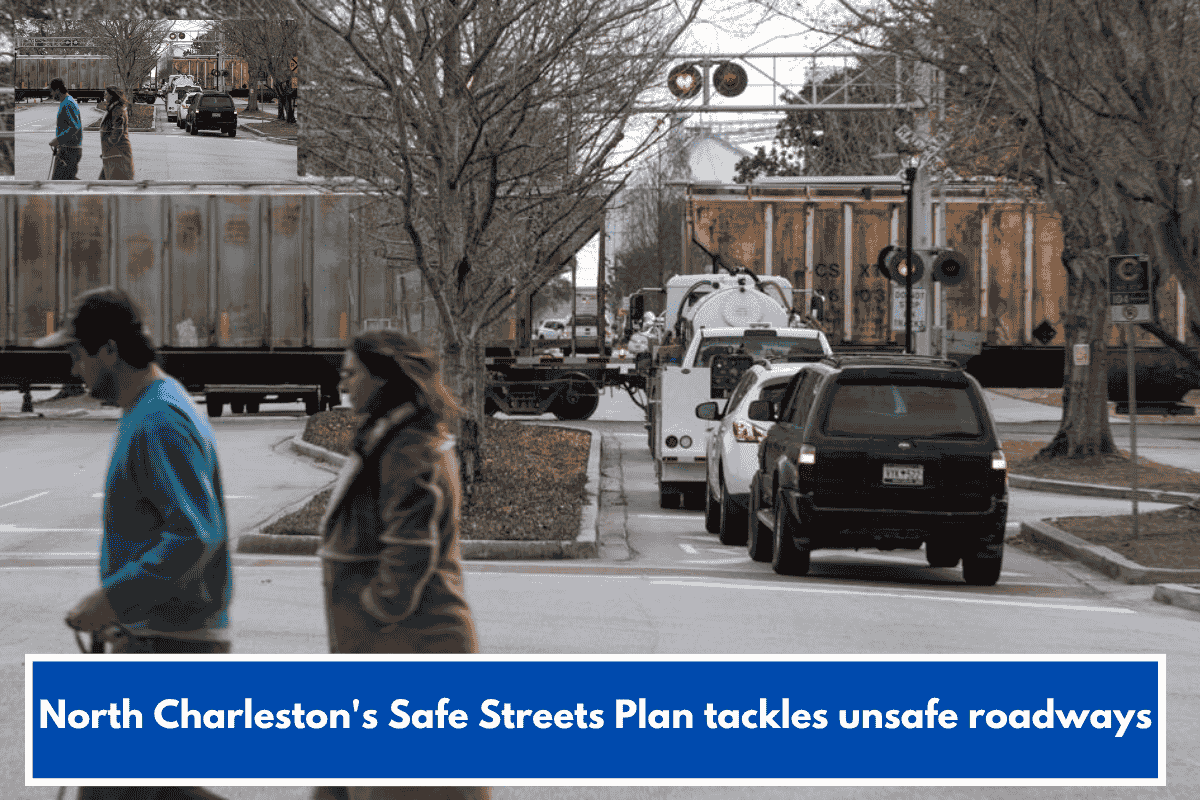
North Charleston is rolling out a “Safe Streets for All” action plan to tackle some of the city’s most dangerous roadways and reduce the number of serious crashes and traffic deaths. The federally funded initiative is designed as a citywide roadmap that combines data analysis with community input to prioritize safety upgrades.
What the Plan Does
- The plan evaluates both vehicle safety and bike/pedestrian safety, looking at major corridors like Ashley Phosphate Road, Rivers Avenue, Dorchester Road, Remount Road, and Cosgrove Avenue, which have high traffic volumes and a track record of serious crashes and injuries.
- The city is using hard crash data from police, fire, and EMS responses plus a public survey and interactive map, allowing residents to drop pins where they’ve seen unsafe conditions—such as risky crossings, narrow sidewalks, or fast‑moving traffic.
Safety Problems Being Addressed
- Advocates point out that many of these roads were built to move cars quickly, not to protect people on foot or on bikes: wide, straight, multi‑lane highways with high speeds and long stretches without crosswalks.
- Savannah Brennan, director of Charleston Moves, highlighted that some stretches span miles without a single marked crosswalk, forcing people to sprint across traffic and making walking and biking feel life‑threatening in places.
Potential Improvements and Funding
- Officials say the plan will recommend a mix of infrastructure changes (like sidewalks, better crosswalks, protected bike lanes), signal‑timing adjustments, and enforcement strategies tailored to the identified “hot spots.”
- The city also sees the plan as a tool to unlock future federal and state safety funding, because having a comprehensive, data‑driven action plan strengthens grant applications for projects like intersection rebuilds, road widening, and transit upgrades already in the pipeline.
Residents and advocates welcome the approach but stress that lasting change will require ongoing investment and coordination between local, state, and federal agencies, especially in areas where people walk and bike every day.