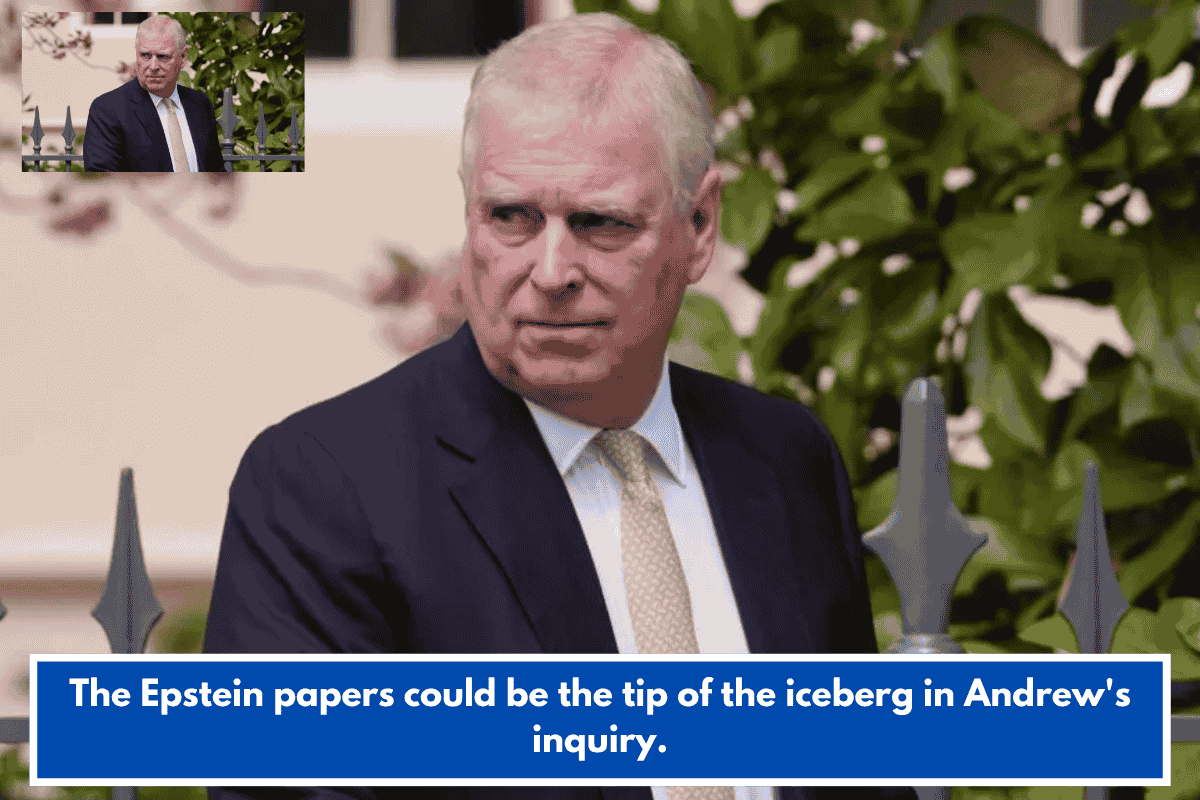
When Prince Andrew, Duke of York — now Andrew Mountbatten-Windsor — was arrested at about 08:00 on Thursday, it was not connected to the long-running sexual abuse allegations brought by Virginia Giuffre.
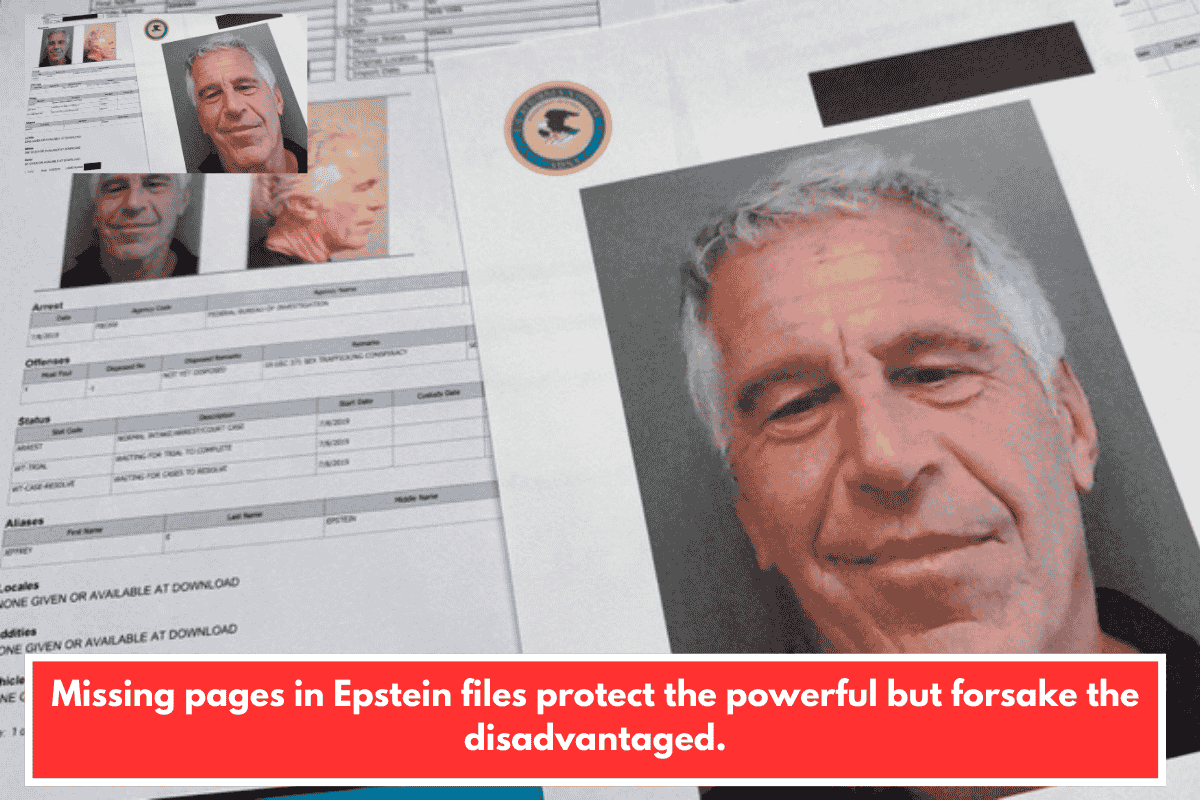
Instead, the arrest stemmed from material contained in the January release of millions of files linked to Jeffrey Epstein — specifically emails appearing to show Andrew forwarding potentially confidential UK government documents to Epstein while serving as a trade envoy.
The Emails That Triggered Police Interest
Thames Valley Police became involved after reviewing emails in the released files.
November 2010: Country Reports
In one exchange from November 2010:
- Andrew had just returned from a UK government-funded trade trip to Asia.
- He received country briefing reports relating to the visit.
- Within five minutes, he appears to have forwarded those reports to Epstein.
By that point, Epstein had already been convicted in the United States and had served time in prison for sex offences.
December 2010: Helmand Briefing
On Christmas Eve 2010, Andrew appears to have emailed Epstein a confidential briefing concerning reconstruction investment opportunities in Helmand Province, Afghanistan — then overseen by British armed forces and funded with UK government money.
February 2011: Investment Suggestion
In February 2011, another email appears to show Andrew suggesting Epstein consider investing in a private equity firm he had recently visited.
Why This Matters Legally
As a UK trade envoy, Andrew would have been subject to official guidance requiring confidentiality regarding sensitive commercial and political information obtained during government-sponsored visits.
If prosecutors believe confidential state information was improperly shared, the potential offence under investigation is misconduct in public office — a serious charge under UK law.
But police are unlikely to have acted solely on publicly seen emails.
What Detectives Likely Did Behind the Scenes
Before making an arrest, investigators would have:
- Requested additional email records from government departments.
- Sought cooperation from Buckingham Palace (which said it would “support” police).
- Reviewed the wider trove of approximately three million Epstein-related documents.
- Requested unredacted material from U.S. authorities via formal channels.
The National Crime Agency is assisting UK police forces with international evidence requests.
Investigators may therefore have access to significantly more material than has been made public.
Arrested — But Not Charged
Andrew was later released “under investigation.”
In UK white-collar investigations, arrests often:
- Allow police to conduct searches.
- Enable formal interviews under caution.
- Secure electronic devices and records.
Being released under investigation does not mean the case is closed. Further questioning is possible.
Andrew has consistently denied wrongdoing in relation to Epstein and has not responded to specific BBC questions about the January file release.
It is also important to reiterate:
This arrest is not connected to the civil case brought by Giuffre, which was settled out of court in 2022 with no admission of liability.
The Next Step: A Charging Decision
Now comes a critical stage.
Senior officers — symbolically wearing cap badges bearing the Crown — will consult lawyers at the Crown Prosecution Service to decide whether there is sufficient evidence to charge.
If charges were brought, the case would be styled:
R v Mountbatten-Windsor
In practical terms, that means “The King versus the King’s brother.”
Any charging decision could take weeks. Until then, Andrew remains under investigation — not convicted, not charged — in what could become one of the most constitutionally extraordinary prosecutions in modern British history.