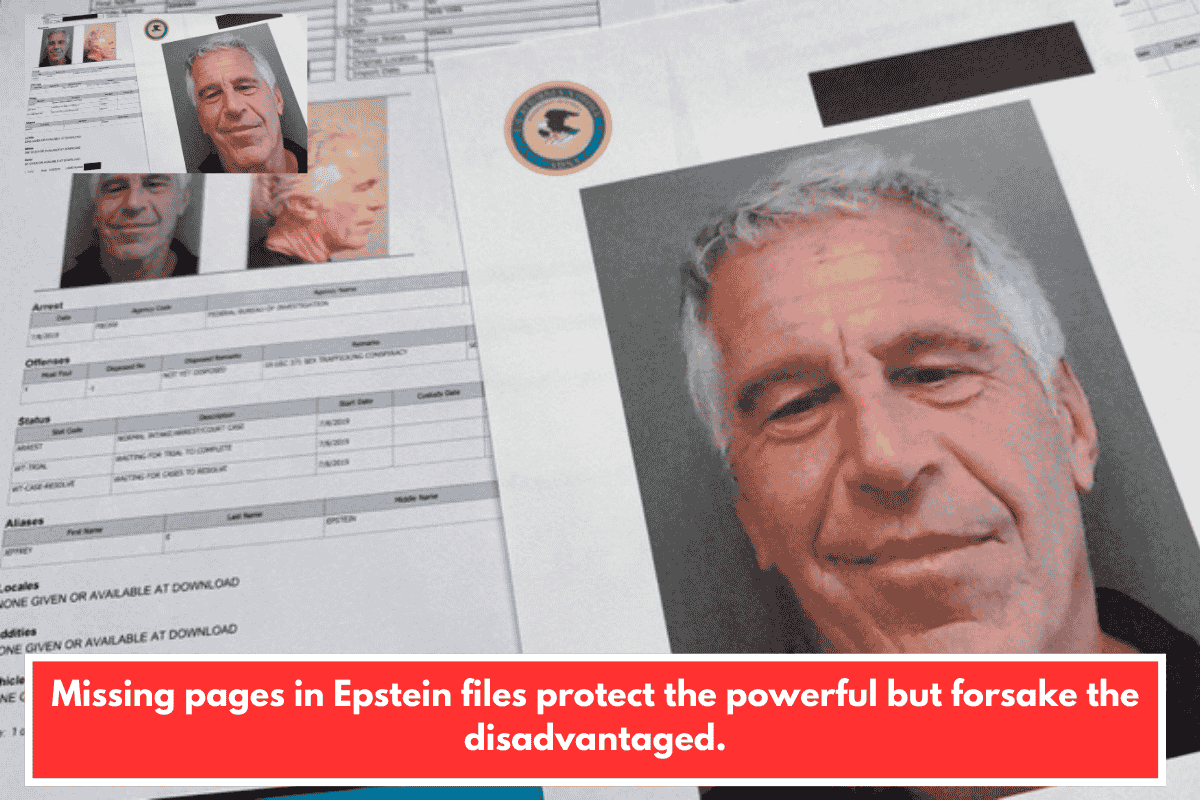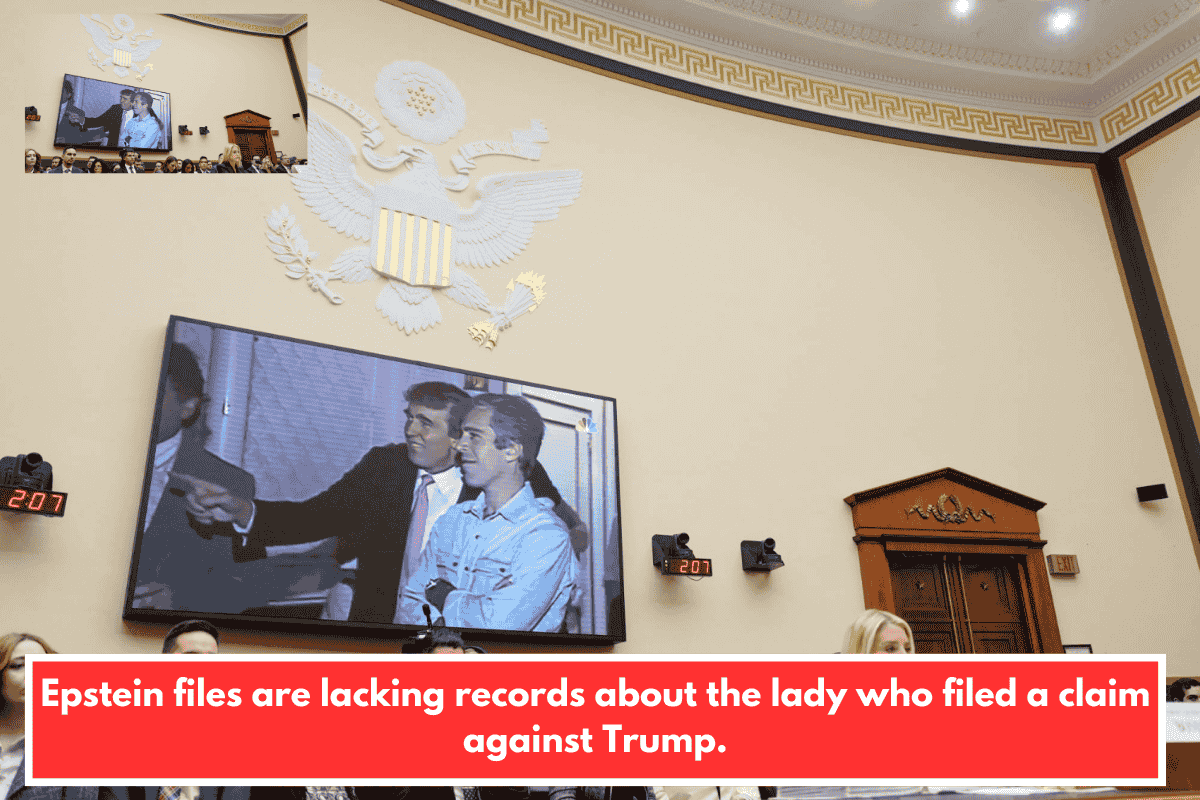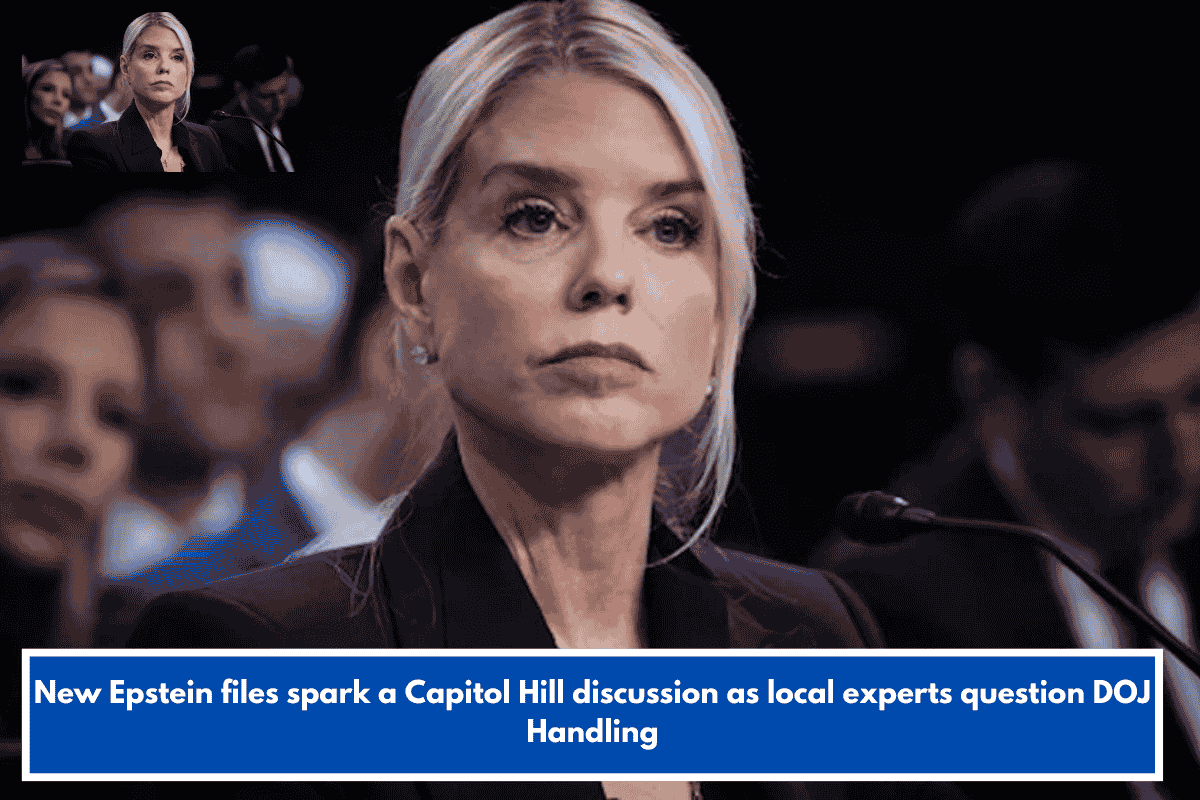
Retired criminal justice professor Lydia Long critiques the DOJ’s public Epstein files database as a “rudimentary” dump of 20+ years of scanned documents—lacking investigative context or narrative flow—making it hard for the public to grasp how leads were pursued amid Capitol Hill demands for more transparency.
Expert Analysis
- Data Challenges: Users see raw records/testimony on Epstein’s elite network but not case progression; hinders coherent understanding.
- Administration Role: Long urges the Trump Administration to “fix it” without finger-pointing, prioritizing child survivors’ justice over avoidance of “disturbing” content.
- Victim Emphasis: “If you’re afraid to look at what’s there, what do the victims feel?”—echoing UN experts on retraumatization from botched redactions.[ from prior]
Capitol Hill Pressures
Bipartisan lawmakers like Reps. Massie (R-KY) and Khanna (D-CA) push DOJ for internal memos on past charging decisions after spotting hidden names in unredacted views.[prior] AG Pam Bondi defends full compliance under the 2025 Epstein Files Transparency Act, despite global probes (Paris sex/finance cases, UK flights/Mandelson raid) and polls (69% see elite impunity).[prior] This fuels debates on accountability for Epstein’s 2019 suicide-era network.