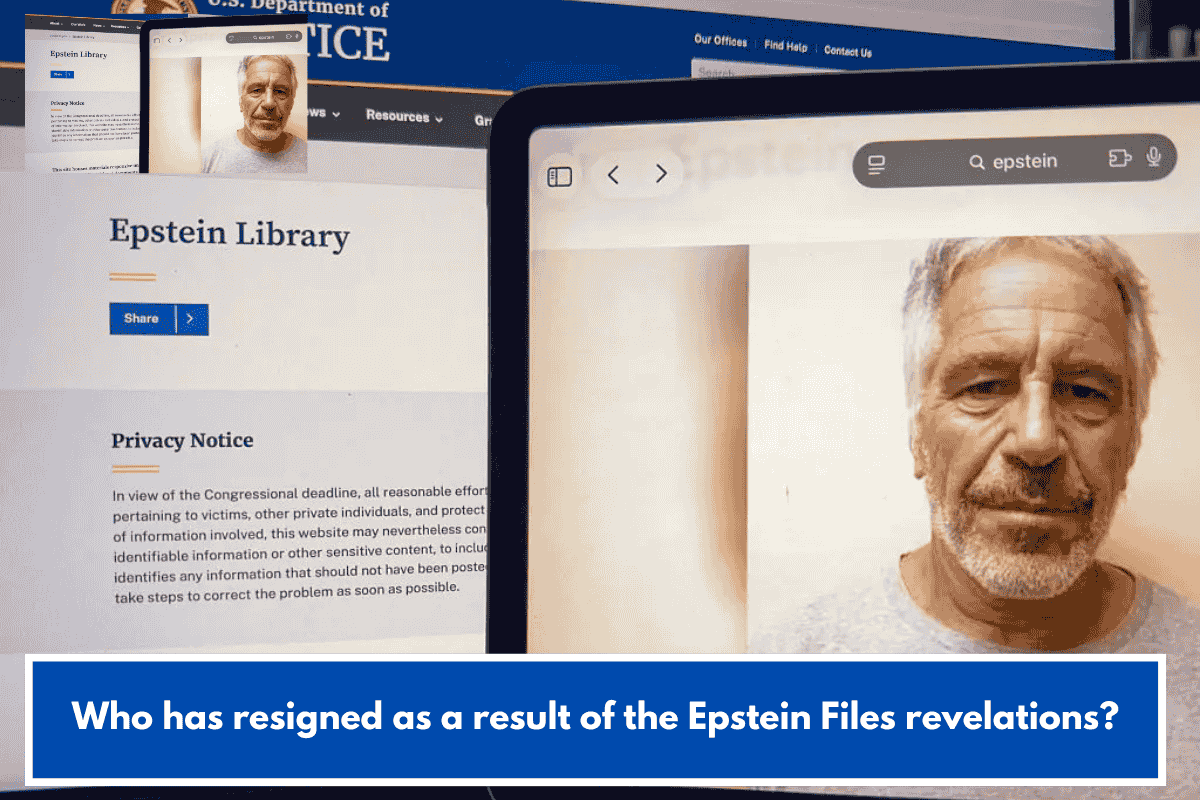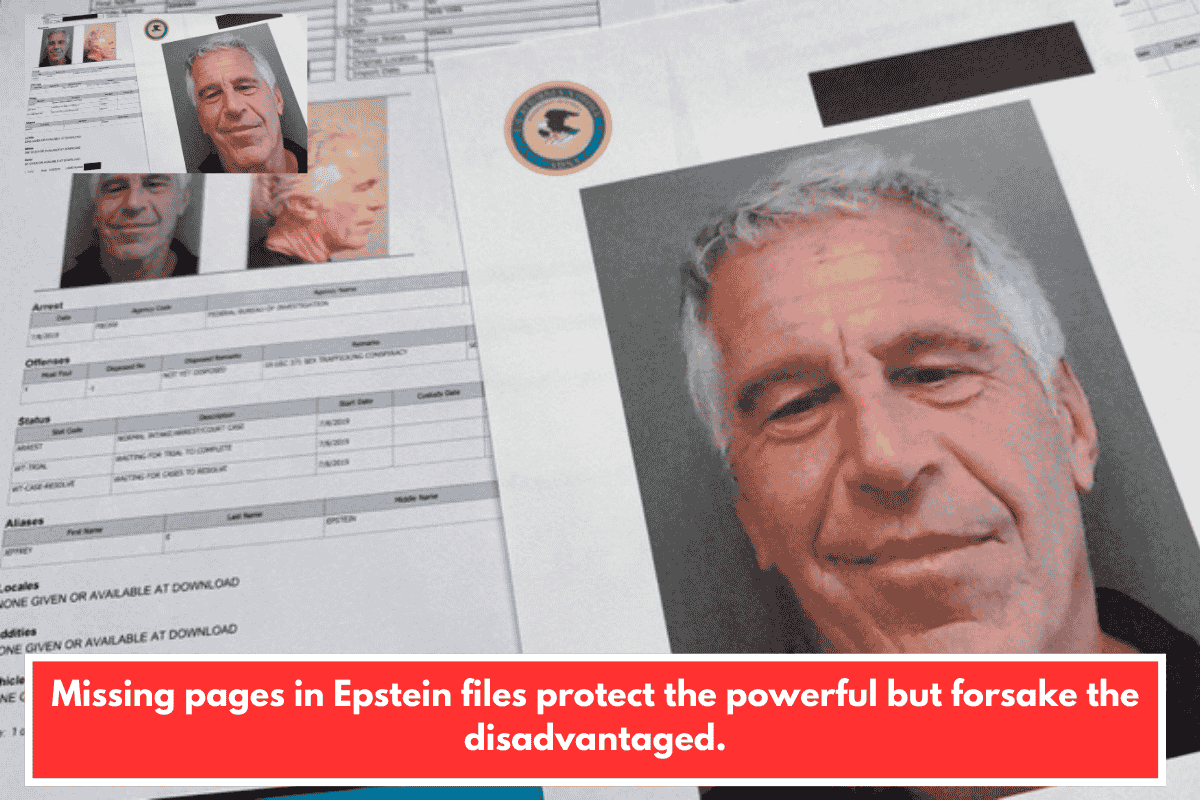
This opinion piece argues that selective absences in the Justice Department’s Epstein file releases—especially around allegations against Donald Trump—form a pattern suggesting deliberate suppression to protect the powerful, eroding public trust.
Core Claims
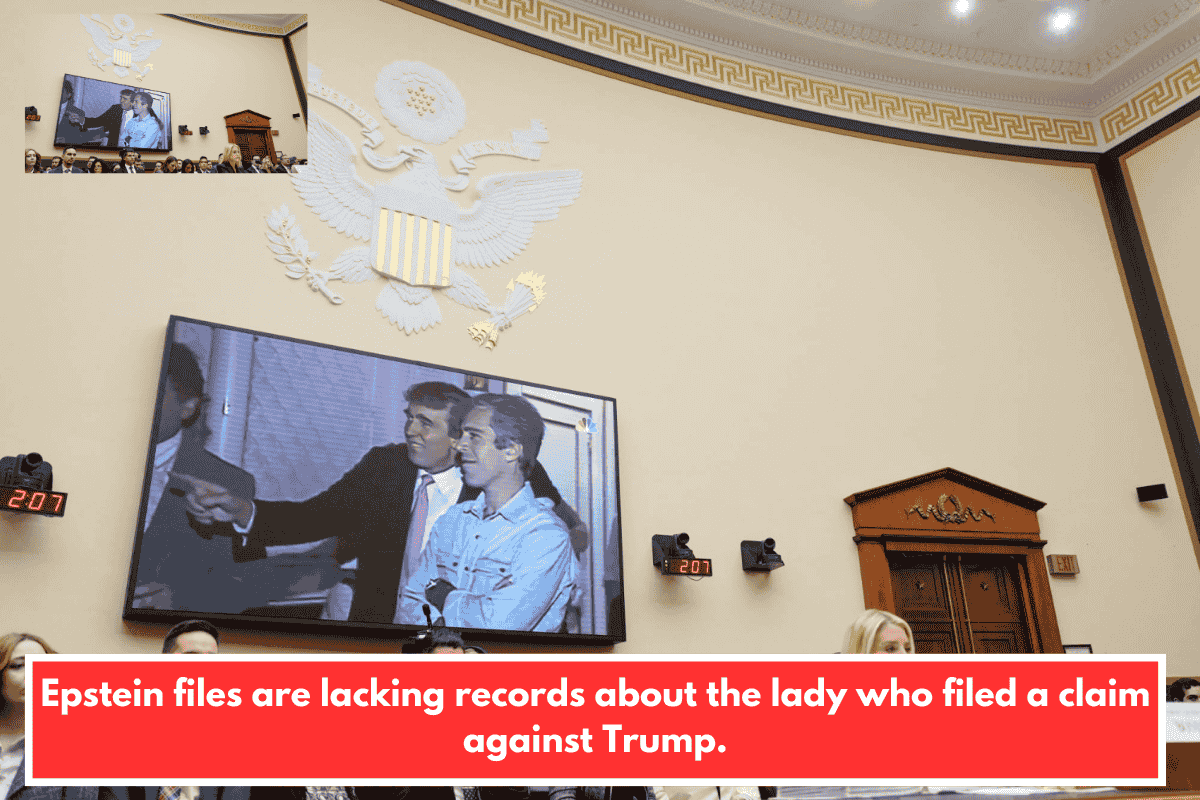
- Missing documents: NPR analysis found 50+ pages of FBI interview notes missing from public archives, despite being logged. These link to a 13-year-old accuser alleging Trump forced oral sex on her (tied to 2006 Howard Stern comments where Trump referenced no strict age limits, avoiding “12-year-olds” like Mark Foley).
- Epstein-Maxwell files: Four interviews with a Trump-mentioned accuser exist in prosecution records, but only one is public; others vanished despite references elsewhere.
- Redaction failures: Victims’ names and nude photos leaked via sloppy redactions, while powerful figures’ details stay hidden.
- Broader pattern: Ties to Judge Aileen Cannon blocking Jack Smith’s Mar-a-Lago report; AG Pam Bondi and Deputy AG Todd Blanche (ex-Trump lawyer) deny suppression. Rep. Robert Garcia (D-Calif.) flags unredacted logs showing no legal basis for withholding survivor interviews.
- Implication: Accuses Trump of directing “lickspittles” in law enforcement to shield child sex abuse, prioritizing his protection over victims.
Context and Counterpoints
These claims build on real Epstein transparency efforts (e.g., recent file dumps, Epstein Files Transparency Act signed by Trump). No charges against Trump; DOJ cites privilege, duplicates, and sensitivity for withholdings. White House has highlighted Trump’s cooperation (releasing thousands of pages) versus Democrats’ Epstein ties. Nonpartisan groups like American Oversight push for more access, focusing on process fairness—not guilt.
The piece leans heavily interpretive: Absences prove intent only if you connect dots a certain way. Official explanations hold legal weight, but patterns like Cannon’s pro-Trump rulings (e.g., special master appointment) fuel skepticism. Victims’ exposure is a verified issue in releases, amplifying calls for better handling.
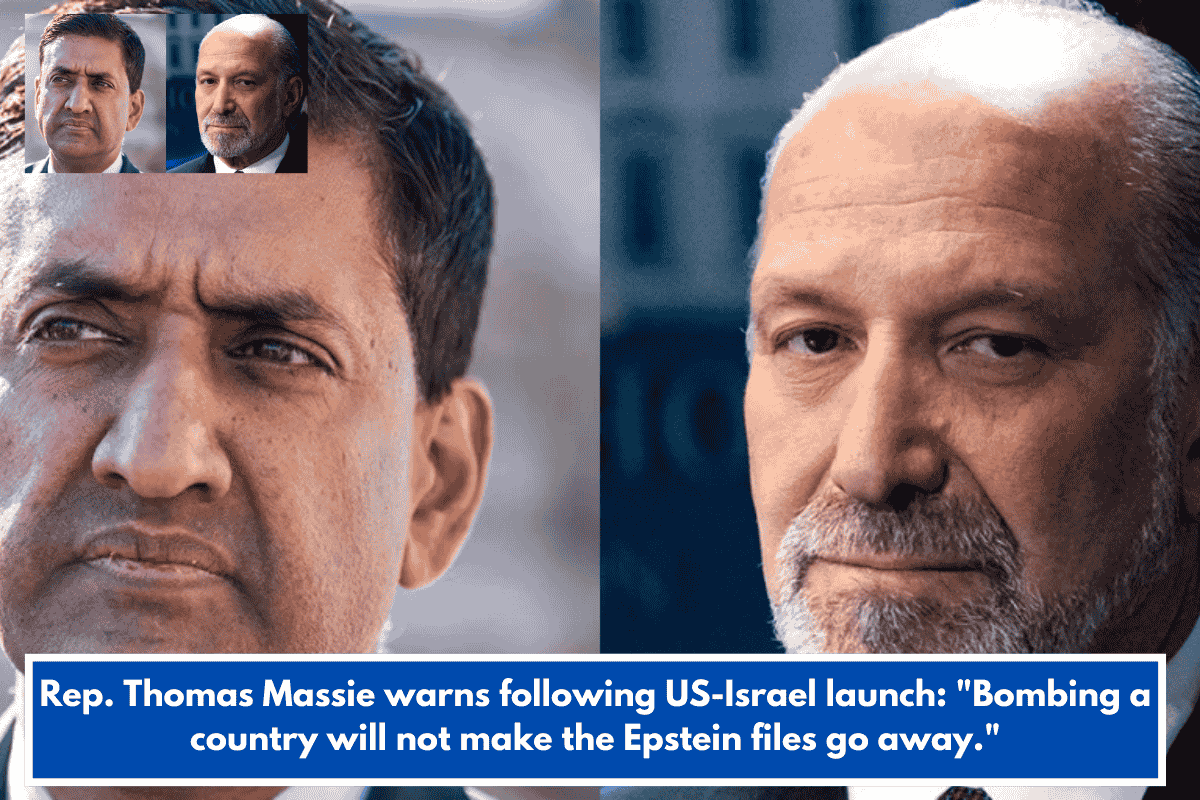
Public reaction splits along partisan lines—Democrats amplify suppression narratives; Republicans stress exoneration and overreach. Ongoing Oversight probes (e.g., Khanna’s push) may clarify via subpoenas.