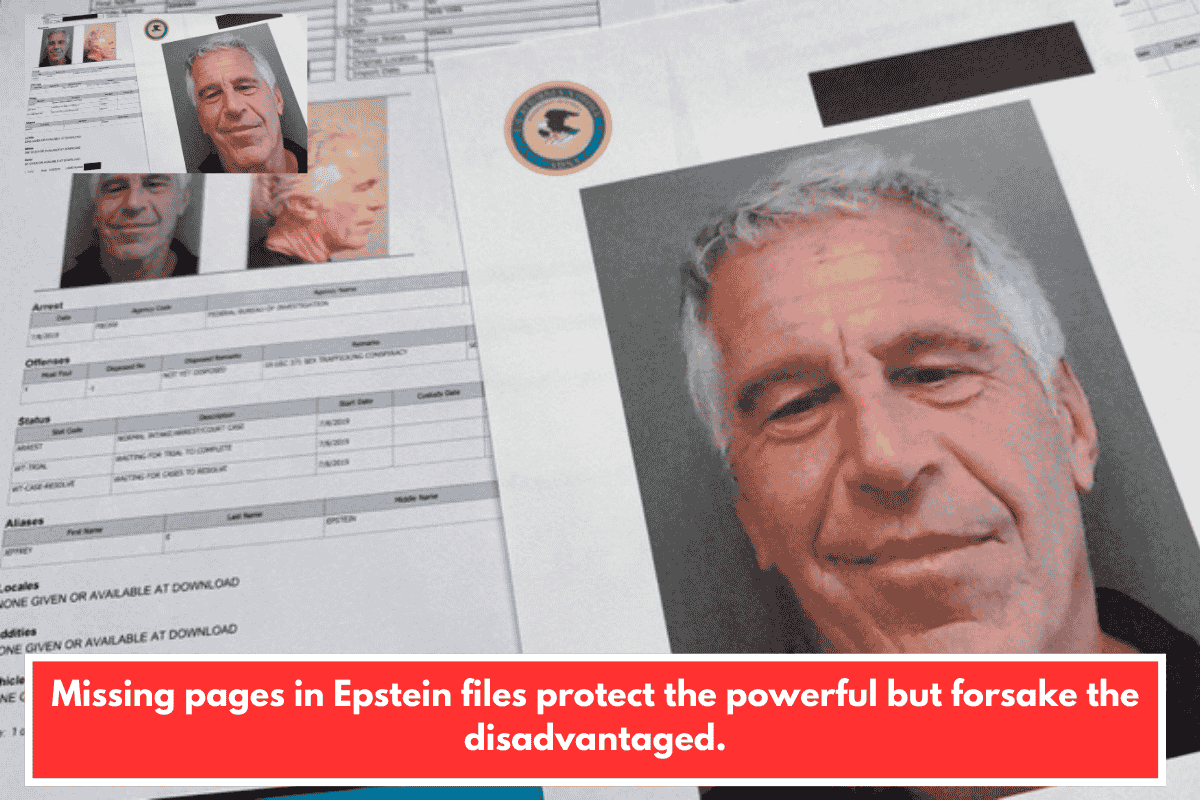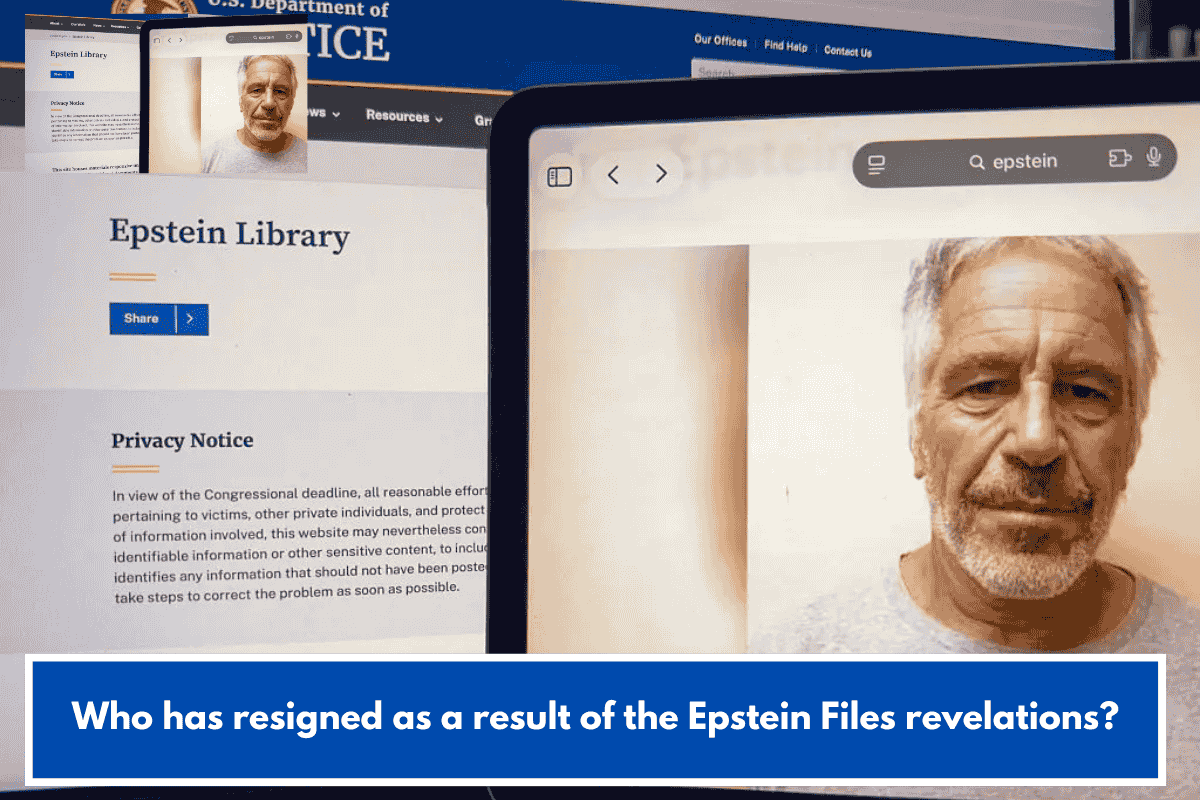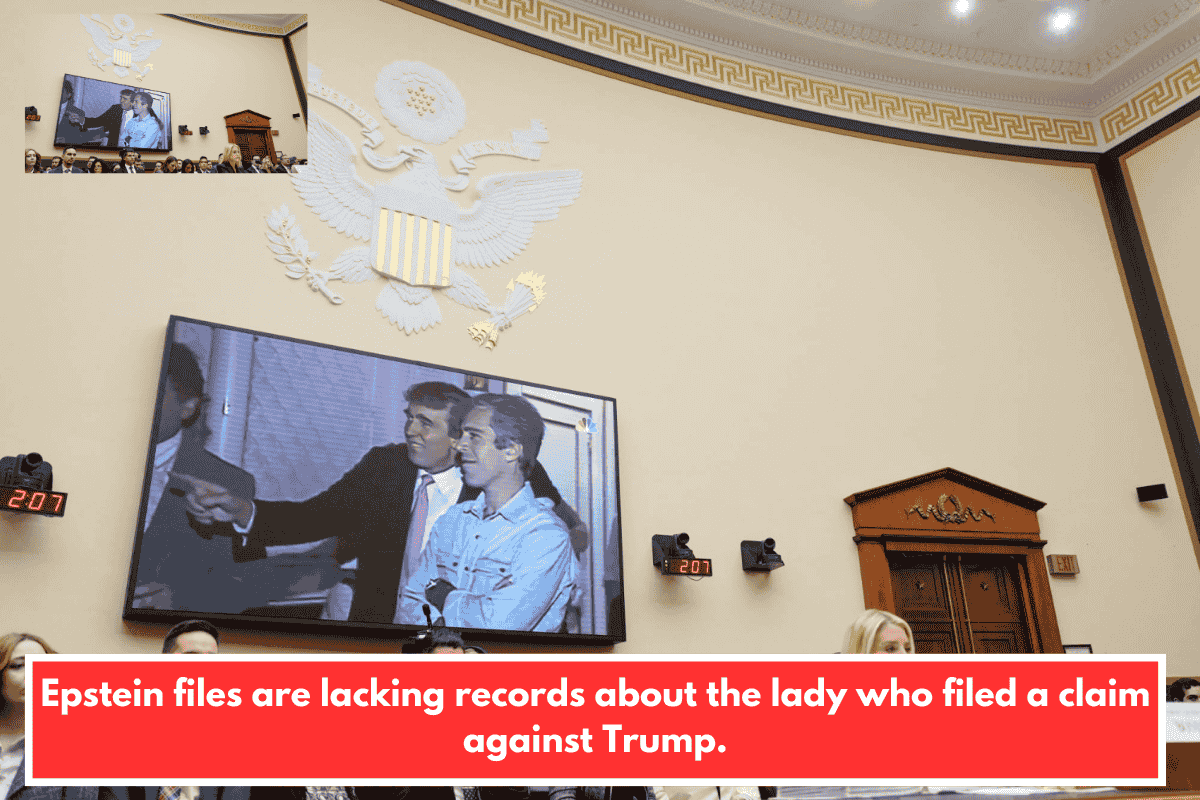
A review by The New York Times found that key FBI interview summaries related to allegations against Donald Trump were not included in the Justice Department’s public release of more than three million pages tied to Jeffrey Epstein.
According to an index of investigative materials that was made public, the FBI conducted four interviews in 2019 with a woman who alleged she had been sexually assaulted decades earlier by both Epstein and Trump when she was a minor. While one summary describing her accusations against Epstein was released, the other three interview summaries and the underlying FBI notes were not included in the public files. Similar interview notes for other witnesses and accusers were made public, making the absence notable.
The Justice Department stated that withheld materials were either privileged, duplicates, or potentially related to an ongoing federal investigation, but officials did not directly explain why the specific memos were missing.
Allegations, Denials, and Legal Constraints
The woman first contacted authorities in July 2019, shortly after Epstein’s arrest on federal sex-trafficking charges. In the released memo summarizing her initial interview, she described repeated assaults by Epstein in the 1980s when she was between 13 and 15 years old. A separate 2025 memo included in the files references her claim that Epstein introduced her to Trump and that Trump assaulted her during that period. The files do not include any FBI assessment of the credibility of her allegations.
Trump has repeatedly denied wrongdoing. A White House spokesperson said Tuesday that he had been “totally exonerated on anything relating to Epstein.” The Justice Department previously characterized certain claims submitted before the 2020 election as “unfounded and false.” The law mandating the document release prohibits withholding material to protect public figures from embarrassment, though it allows redactions to protect victims’ identities or ongoing investigations.
Political Scrutiny and Broader Fallout
The absence of the interview summaries has intensified scrutiny of how the Justice Department handled the release. Robert Garcia, the top Democrat on the House Oversight Committee, said that when he reviewed unredacted versions of the files at the department, the same interview summaries were missing. He stated that referenced documents “are not in the files” and that the department had not provided a satisfactory explanation.
Democrats plan to open a separate investigation into the missing records. The controversy comes amid broader criticism of the government’s redaction process, which left some victims’ identifying information exposed while heavily redacting other materials. The woman later joined a lawsuit against Epstein’s estate but dropped her claim; court records do not specify whether she received a settlement, and she was later deemed ineligible for compensation from a victims’ fund.