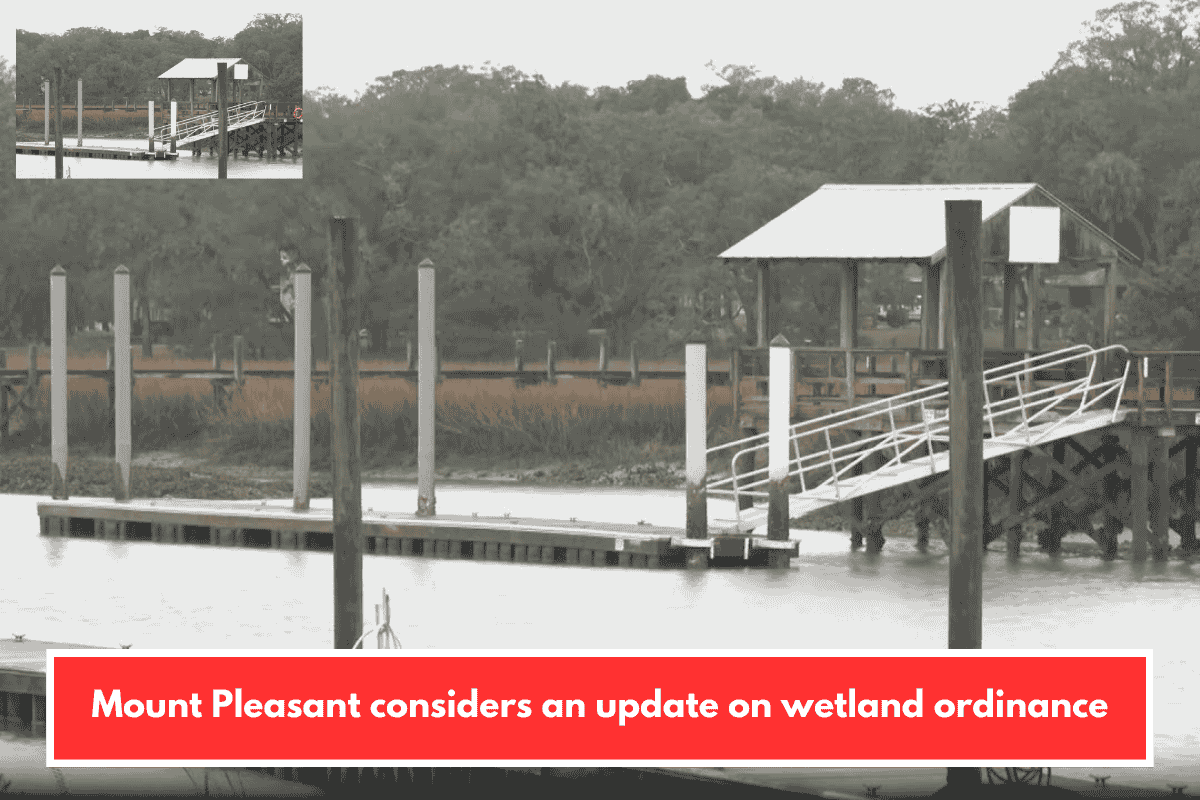
The Town of Mount Pleasant, South Carolina, is developing a new ordinance to protect local wetlands following the 2023 Supreme Court decision in Sackett v. EPA, which removed federal protections for isolated wetlands not connected to navigable waters. Town staff presented recommendations to the Flood Resilience Committee after consulting the Green Commission and external agencies, aiming to prevent development like driveways or pools in these areas.
Key Benefits and Rationale
Wetlands in the Lowcountry provide essential services including improved water quality, flood mitigation, wildlife habitat, and buffering against storm surge. Officials emphasize proactive protection to avoid cumulative flood risks from small developments, such as multiple sheds or garages increasing impervious surfaces. Mayor Will Haynie highlighted the need for an inventory using soil, vegetation, and species indicators, while balancing property rights.
Proposed Measures and Exceptions
The committee suggested 10-20 foot buffer zones from wetlands to street frontage to preserve green space, drawing models from Bluffton and Awendaw. Exceptions for items like pools, sheds, or driveways are under debate, with concerns raised about undermining the ordinance’s purpose. Details on permit reviews versus ecosystem inventories remain undecided.
Next Steps
An informal public hearing is scheduled for the Planning Commission meeting on December 10, 2025, ahead of first reading early next year. The approach seeks to avoid overly restrictive rules while safeguarding community infrastructure long-term. Conservation groups like the Coastal Conservation League stress maintaining natural buffers for property protection.