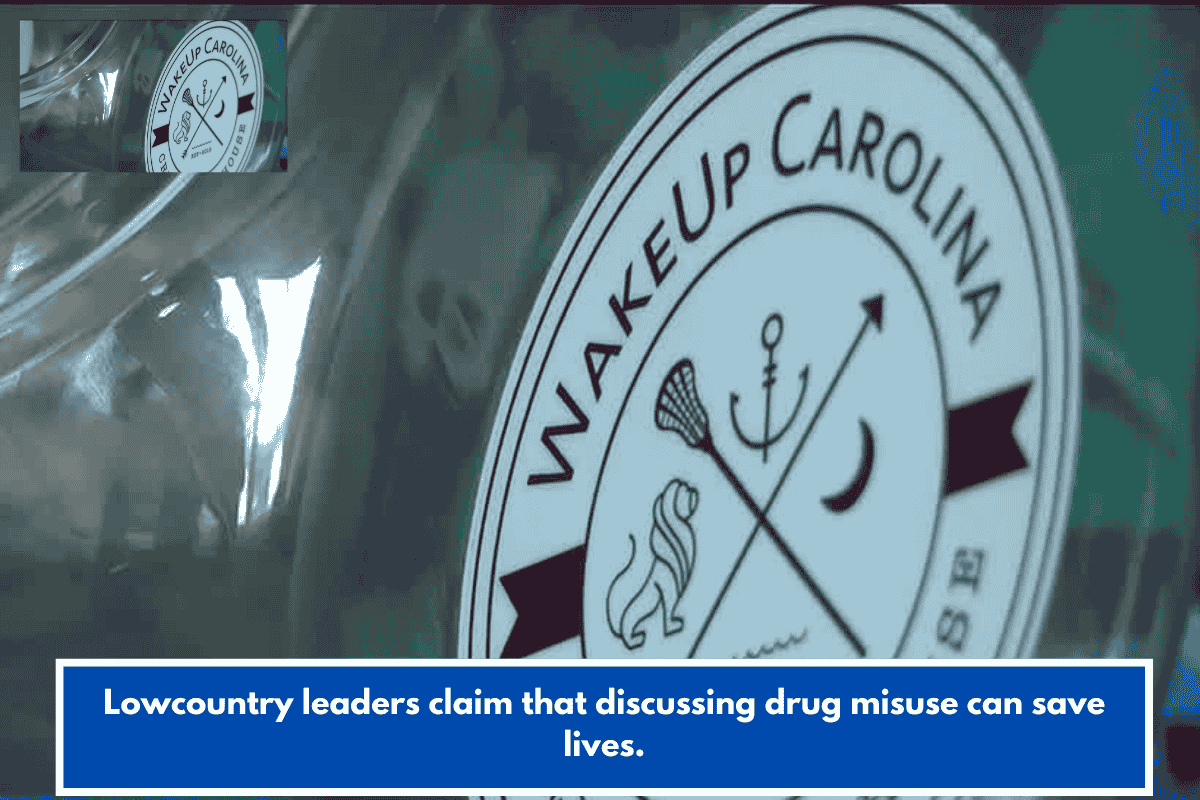
This Lowcountry-focused piece highlights Substance Use Disorder Treatment Awareness Month efforts by groups like WakeUp Carolina. It stresses open conversations to combat isolation from depression, anxiety, and shame tied to substance abuse. Leaders like Abby Foster emphasize “recovering out loud” to normalize discussions, especially around Dry January and beyond.
Common Substances and Warning Signs
Alcohol leads misuse in the area, followed by marijuana, opioids, cocaine, methamphetamine, and emerging Kratom due to its easy access.
Watch for these red flags:
- Planning one drink but bingeing.
- Blackouts from use.
- Substance taking priority over life responsibilities.
Data from the South Carolina Office of Substance Use Services backs alcohol, marijuana, and opioids as top concerns locally.
Starting Compassionate Conversations
Experts advise:
- Ask permission before diving in.
- Use “I statements” (e.g., “I notice you’ve seemed more withdrawn lately, and I’m worried”).
- Lead with empathy, not accusation.
WakeUp Carolina prioritizes education to destigmatize issues, creating space for all experiences. Don’t delay—if behavior concerns you, one caring talk can spark change. For personal struggles, reaching out is step one; help is available pre-crisis.
Local Resources
- WakeUp Carolina: Free support, education, and CARES coordination—no crisis required.
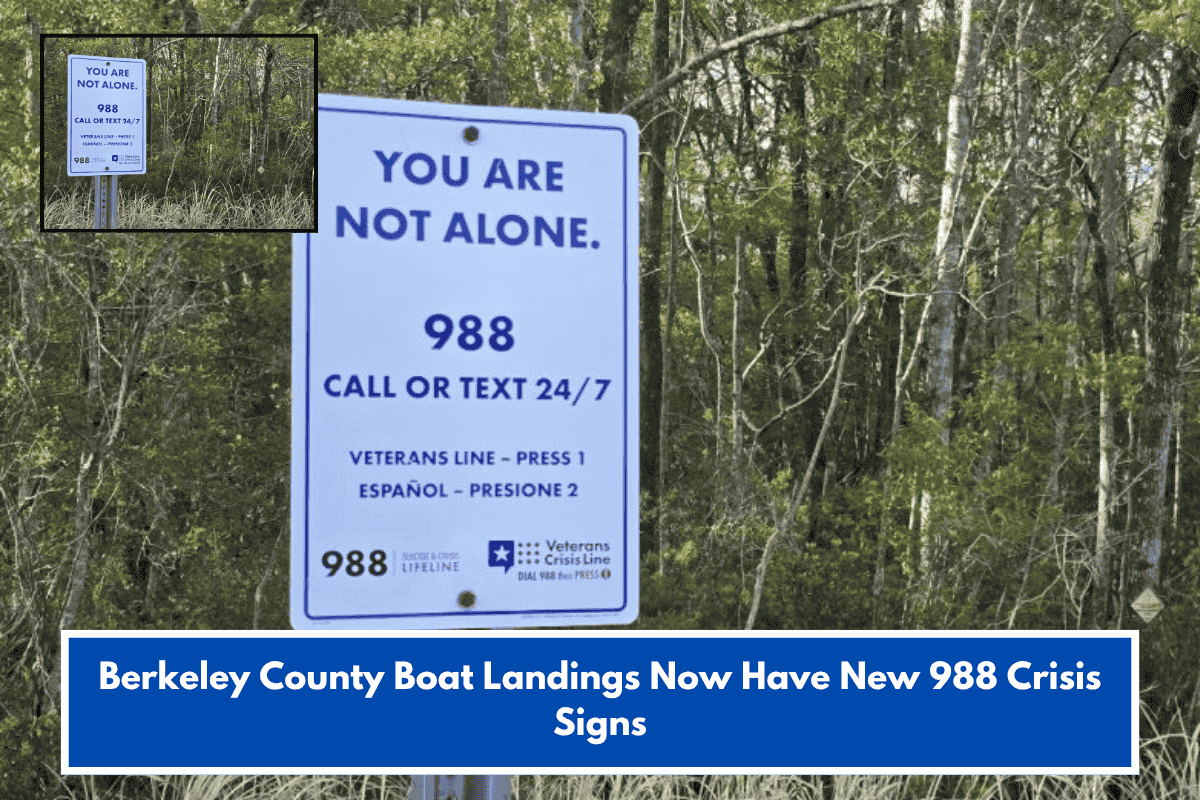
- 988 Suicide & Crisis Lifeline: 24/7 for immediate help.
- South Carolina Office of Substance Use Services for statewide stats and programs.
This aligns with your interest in Lowcountry public health and community services. If you’re tracking similar initiatives in Charleston or nearby, their focus on year-round awareness could tie into local events or policy updates. Anything specific you’d like expanded, like contacts or related news?