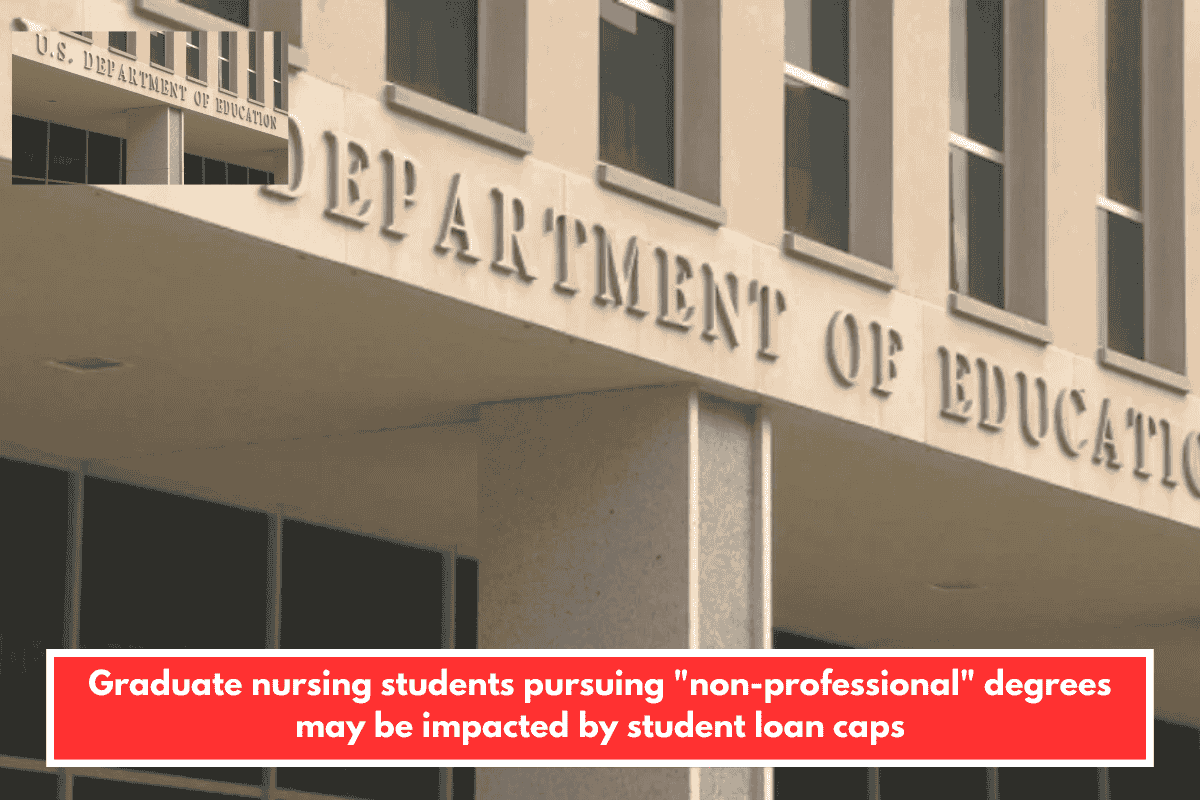
New student loan guidelines from the Trump administration, set to take effect in July 2026, no longer classify nursing as a “professional” degree. This change caps the amount nursing students pursuing advanced degrees can borrow at $20,500 per year, with a lifetime limit of $100,000. In contrast, students pursuing degrees deemed “professional” such as dentistry, veterinary medicine, law, and theology can borrow up to $50,000 annually and $200,000 over their lifetime.
This shift is part of the “One Big Beautiful Bill Act,” intended to pressure universities to reduce escalating tuition costs. However, nursing and healthcare industry professionals warn that these stricter limits could worsen critical shortages in the healthcare workforce by making advanced nursing education less affordable. The caps affect not only nurses but also physical therapists, occupational therapists, health administrators, and speech professionals, potentially impacting the entire healthcare team.
South Carolina State Rep. Wendell Gilliard has expressed concern about the impact on healthcare worker shortages in the state. He plans to propose increased state grants to offset federal cuts and to advocate for nursing’s recognition as a professional degree at the state level. The American Nurses Association and other healthcare organizations fear this could force nurses seeking career advancement to pay out of pocket, creating barriers for many.
The Education Department claims most nursing students borrow less than the $20,500 annual cap, but critics point to reports showing average graduate nursing program costs exceed $30,000 annually. Advanced practice nurses, including nurse practitioners and certified nurse anesthetists, are expected to be the most impacted by the new loan limits.
Overall, the new loan restrictions risk exacerbating existing nursing shortages and access issues in healthcare education at a time when these professionals are critically needed.