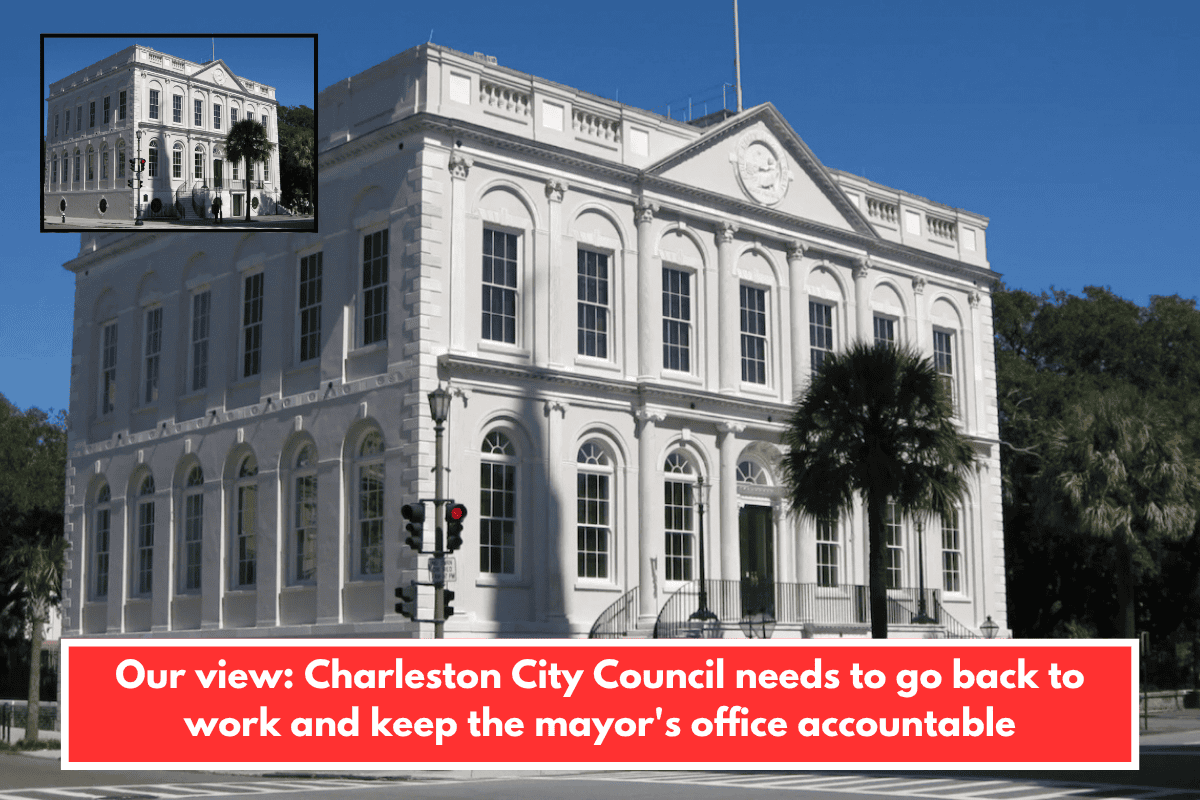
Charleston’s city leadership recently shared a light moment when Mayor William Cogswell proudly said that council meetings have become “civil, productive and short.”
While this may sound like a positive change, it has also sparked an important debate about whether shorter meetings really mean better governance or simply less accountability.
Why Short Meetings Are Raising Concerns
At first, shorter meetings seem like a good idea because they save time and reduce unnecessary arguments. However, when it comes to running a city, discussions and debates play a very important role.
In earlier times, council meetings in Charleston were longer and often included tough questioning. These discussions helped ensure that decisions were carefully reviewed.
Now, with meetings ending quickly, there is a growing concern that important matters might not be getting the attention they deserve. While smooth meetings may look efficient, they can sometimes mean that council members are not asking enough questions or challenging decisions properly.
The 200 Meeting Street Issue
A recent report by Skyler Baldwin has highlighted a serious issue involving a leased office space at 200 Meeting Street. The city has been paying $50,000 every month for this building since last July, but the conditions inside are reportedly very poor.
Employees have faced constant construction noise, unpleasant smells, and heating and cooling problems that made it difficult to work comfortably. Some even reported debris falling from the building’s vents.
Because of these issues, most employees have stopped using the space, and only a small number continue to work there. This situation has raised concerns about how public money is being spent, especially when the cost per employee is extremely high for a space that is barely used.
Response from City Officials
When questions were raised about this issue, the response from the city was limited. A spokesperson, Deja Knight McMillan, declined to comment on the situation.
At the same time, city employees received an email from Chief of Staff Elizabeth Dieck suggesting that they step outside and enjoy the city when feeling stressed.
While this message may have been intended to encourage positivity, it did not directly address the serious concerns about the workplace conditions. This kind of response has made many people feel that the issue is not being handled with the seriousness it deserves.
City Council’s Role and Responsibility
Another surprising part of this situation is that several council members said they were not aware of the problem. This raises an important question about their role.
In Charleston’s system, the mayor has strong administrative powers, but the city council is responsible for overseeing decisions and ensuring everything is managed properly.
If council members are unaware of such major issues, it suggests that oversight may not be as strong as it should be. This lack of awareness can lead to bigger problems, especially when large amounts of public money are involved.
Bigger Projects, Bigger Risks
The concern becomes even more serious when we consider the large projects Charleston is planning. The city is working on a $1.5 billion sea wall project in partnership with the federal government and also has an $800 million plan to build thousands of affordable housing units.
These projects have the potential to change the city significantly, but they also come with financial risks. Given that the city’s annual budget is much smaller compared to these project costs, careful planning and strict oversight are extremely important.
If smaller issues like office space management are not handled properly, it naturally creates doubt about how larger projects will be managed.
Why Strong Discussions Still Matter
Healthy discussions and debates are an essential part of good governance. Even if they lead to longer meetings or disagreements, they help ensure that decisions are made carefully and responsibly.
Quick and quiet meetings may appear efficient, but they can sometimes hide important issues. Asking tough questions and reviewing decisions in detail are necessary to protect public interest and maintain transparency.