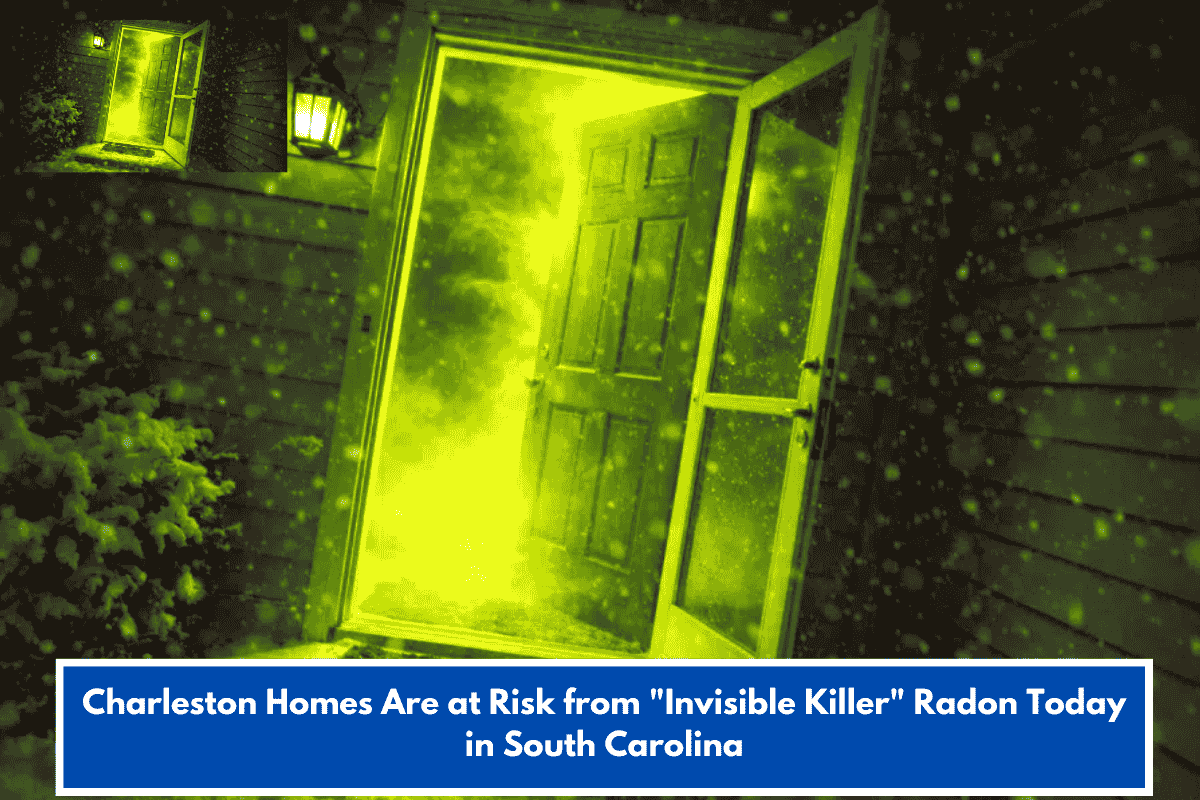
Radon, a naturally occurring radioactive gas from soil and rock, poses a hidden lung cancer risk in Charleston-area homes, especially during winter when sealed structures trap it indoors. South Carolina sees elevated levels in coastal Lowcountry spots despite lower statewide risk perceptions, making testing essential as the second-leading cause of U.S. lung cancer deaths (21,000 annually).
Health Risks
Long-term exposure silently damages lungs over years without symptoms, hitting smokers hardest but affecting all. January’s National Radon Action Month highlights winter peaks from closed windows and cold snaps common in the Lowcountry.
Testing and Mitigation
Affordable kits detect levels; SCDES offers free ones while supplies last at des.sc.gov/radon, with pros available for fixes if over 4 pCi/L. Test basements, crawl spaces, and lowest livable areas now for accurate winter readings.