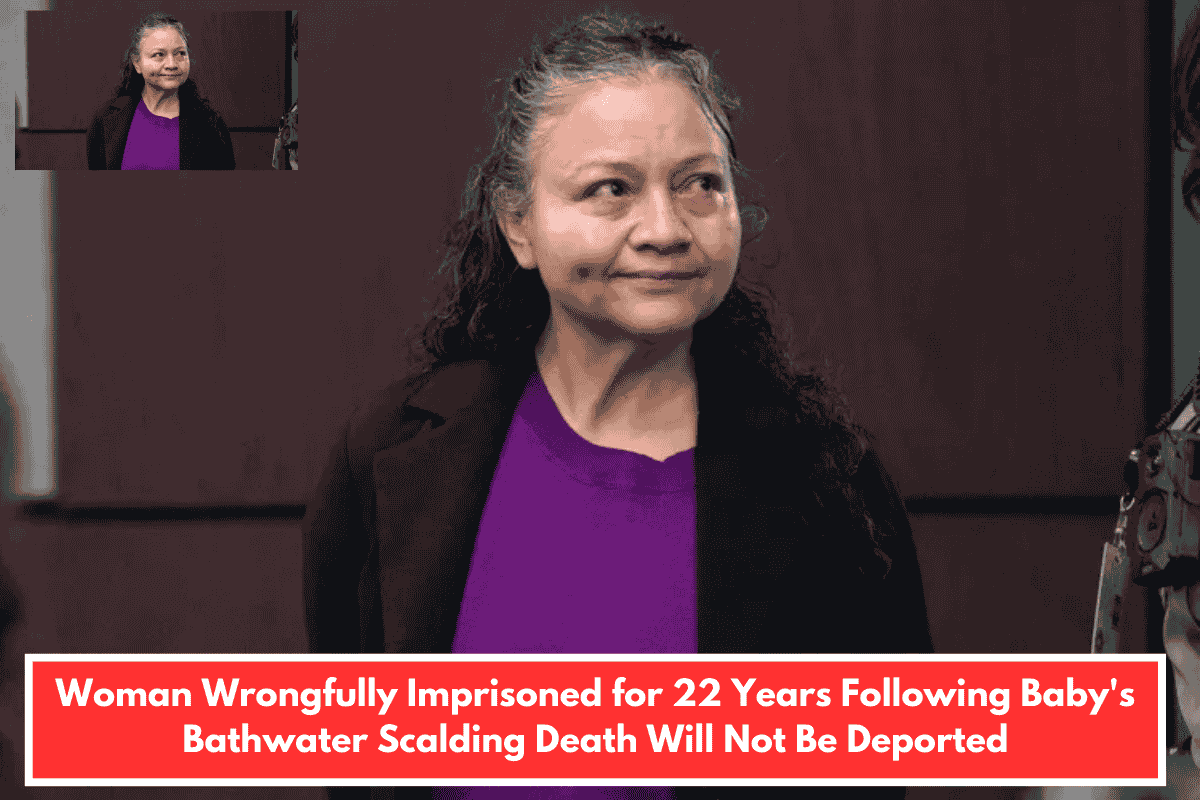
Carmen Mejia, a 54-year-old woman from Honduras, spent over 22 years in a Texas prison for the 2003 death of a 10-month-old boy she was babysitting. She was exonerated this week after new evidence proved the fatal burns were accidental, not intentional.
What Happened in 2003
Mejia was at home in Austin with her four kids, nursing her youngest, when her eldest daughter tried bathing the infant. The rental home’s water heater lacked safety controls, letting bathwater hit nearly 148°F (64°C). The child suffered third-degree burns in seconds and died in the hospital. Prosecutors in 2005 convicted her of murder based on expert testimony claiming an adult must have deliberately held the boy in the water, leading to a life sentence.
Path to Exoneration
Decades later, post-conviction reviews uncovered key facts:
- A burn expert showed such hot water causes severe injuries instantly, matching accidental exposure.
- Mejia’s now-adult daughter testified she turned on the faucet with the child already in the tub.
- The original medical examiner switched the death ruling from homicide to accident.
- Even the prosecution’s initial experts admitted they couldn’t stand by claims of intentional harm.
The Texas Court of Criminal Appeals ruled her “actually innocent” earlier this year. On Monday, Judge P. David Wahlberg dismissed all charges.
Immigration Status and Release
Despite her release from prison, ICE initially detained her due to her immigrant status. She entered the US legally in 1995 with work permission, but the conviction triggered issues. Homeland Security lifted the detainer, confirming she can stay until her Temporary Protected Status (for Hondurans) expires—no deportation.
In court, the judge noted no compensation could repay her lost years. Mejia replied, “I never lost faith and hope in 22 years.” Groups like the Innocence Project championed her case, highlighting flaws in old forensic science on scald burns.