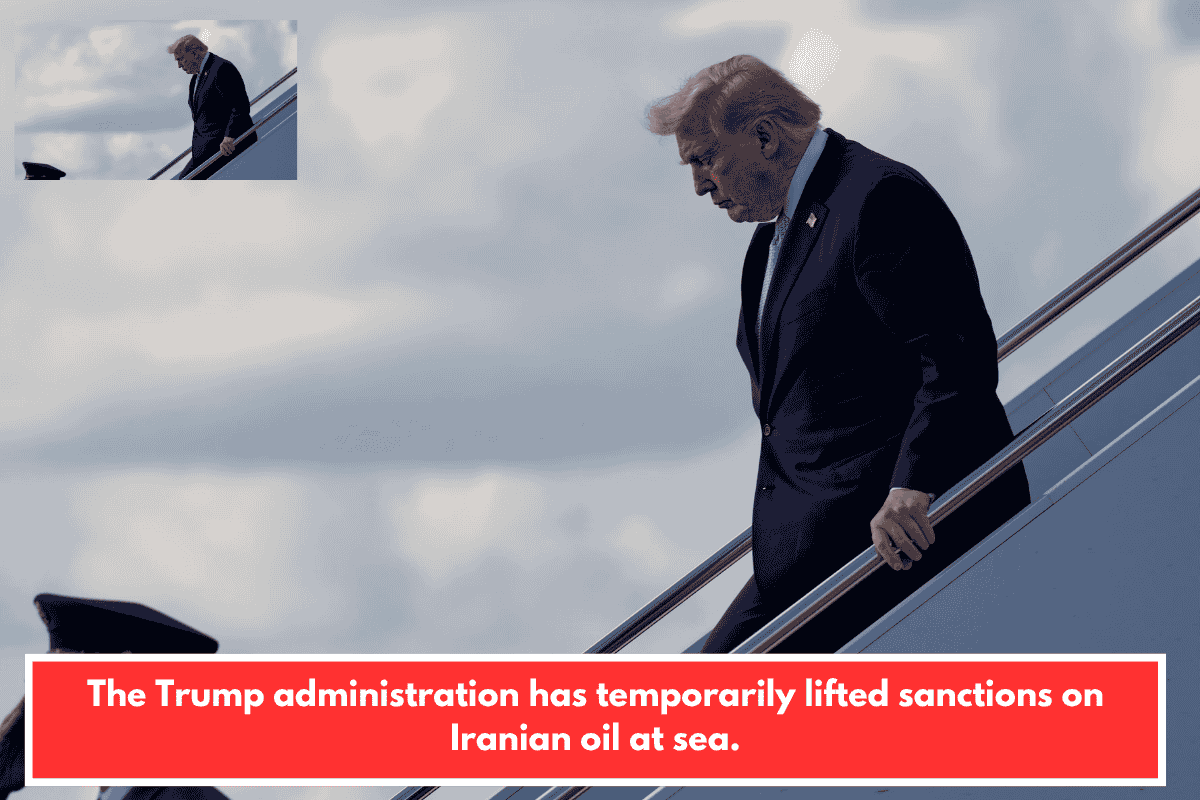
The U.S. Treasury has temporarily eased sanctions on Iranian oil by authorizing the purchase of Iranian crude that was already loaded onto ships by 12:01 a.m. ET on Friday, with the exemption valid until April 19. The move is aimed at lowering global oil prices amid the U.S. war with Iran by freeing up roughly 140 million barrels that might otherwise sit trapped at sea.
What the authorization does
The Treasury’s license allows buyers to purchase Iranian oil that left Iran by Friday morning, as long as those buyers are not located in countries already under broad U.S. sanctions, such as North Korea, Cuba, or Russian‑occupied parts of Ukraine. Treasury Secretary Scott Bessent described the policy as a way to use Iranian oil “against Tehran,” arguing that Iran itself will not be able to easily access the proceeds because maximum‑pressure financial sanctions on Iranian entities remain in place.
The authorization is narrower than fully lifting sanctions; it targets only oil already at sea, not new shipments, and is framed as a wartime measure to expand global supply and blunt price spikes caused by disruptions in the Strait of Hormuz.
Political and economic context
The decision marks a partial wartime shift from President Trump’s long‑standing “maximum pressure” strategy on Iran, which since his first term has relied heavily on punishing sanctions to isolate Iran’s economy, especially its oil sector. It follows a similar one‑month greenlight earlier this month for purchasing Russian oil already at sea, which European and U.S. officials say is also meant to ease energy‑market pressure.
Democrats in Congress have criticized the loosening of Russian‑oil sanctions, arguing it could indirectly benefit Vladimir Putin by creating new channels for oil sales despite the broader sanctions regime. The Trump administration insists the combined moves—plus the scheduled release of 172 million barrels from the U.S. Strategic Petroleum Reserve and allowing foreign‑flagged tankers to move oil between U.S. ports—are necessary to stabilize prices, though global oil prices remain at multiyear highs.
Strategic and military stakes
The Strait of Hormuz, through which about one‑fifth of the world’s oil normally passes, has seen sharply reduced tank traffic as shippers fear Iranian attacks, complicating exports from major Arab producers even as Iran continues to export its own oil. The U.S. has also carried out military strikes on Iranian infrastructure, including on Kharg Island, Iran’s main oil export hub, and Trump has threatened further strikes on oil‑related targets if Iran interferes with shipping in the Strait.
The president has floated offering military escorts for tankers in the Strait but says he expects allied countries to share the burden, noting that the U.S. itself is not reliant on Middle Eastern oil.