The Strait of Hormuz, a vital chokepoint for 20% of global oil, faces severe disruptions two weeks into the U.S.-Israel-Iran war, with Iran’s Revolutionary Guard Corps attacking commercial tankers, halting traffic. Over 300 ships remain stranded in the Persian Gulf, potentially delaying clearance for months due to escort pace and escort costs exceeding cargo values.
U.S. Navy Challenges
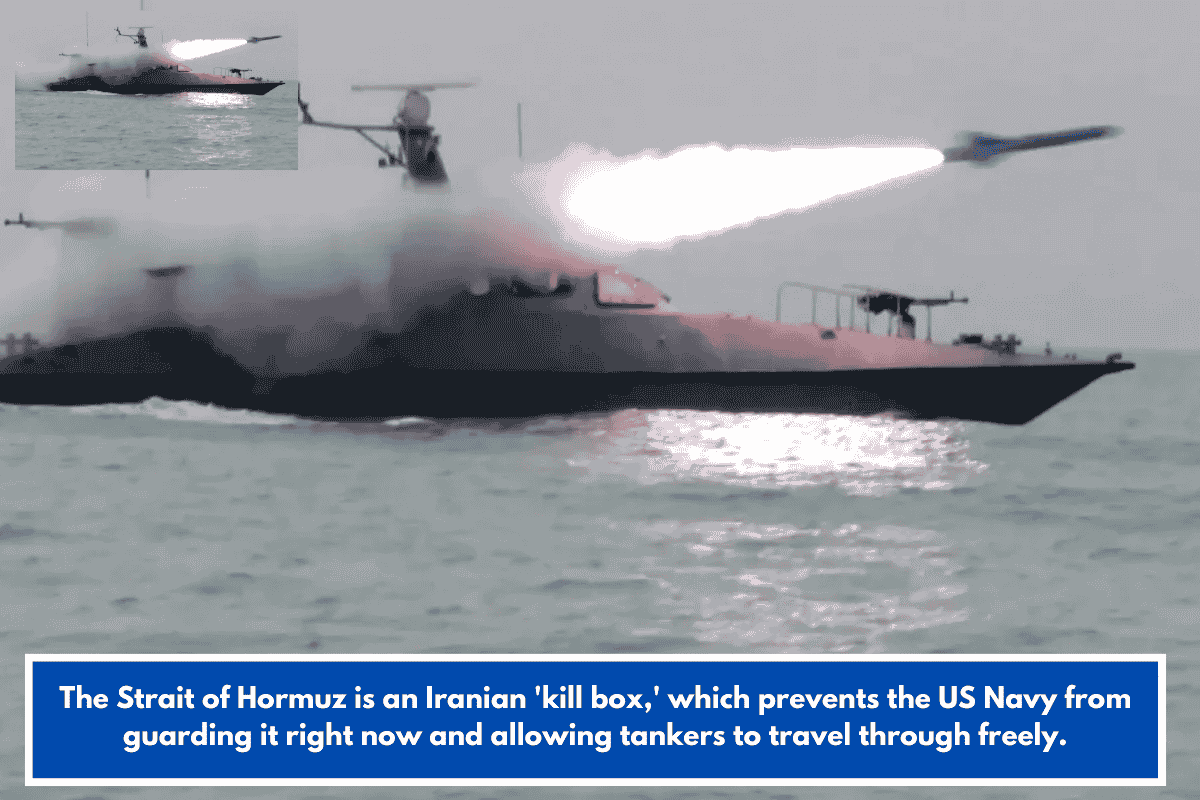
President Trump pushes Navy escorts, but officials deem it unfeasible now, calling the strait an Iranian “kill box” with risks from anti-ship missiles, Shahed drones, mines via small vessels/submersibles, fast boats, and underwater drones. Gen. Dan Caine notes progress in destroying Iran’s naval fleet but stresses ongoing threats in this tactically complex area.
Iranian Capabilities
Despite losses, Iran retains coastal missile sites for short-warning strikes, inland drone launches overwhelming defenses, and tunnel-protected assets like midget subs for mining—none confirmed yet but plausible per MIT’s Caitlin Talmadge. A recent close pass by an Iranian vessel forced defensive fire from USS Abraham Lincoln escorts, highlighting vulnerabilities despite past Navy successes in the 1980s tanker wars.
This standoff risks prolonged energy shocks; historical precedents suggest de-escalation via diplomacy alongside military pressure could reopen lanes faster.