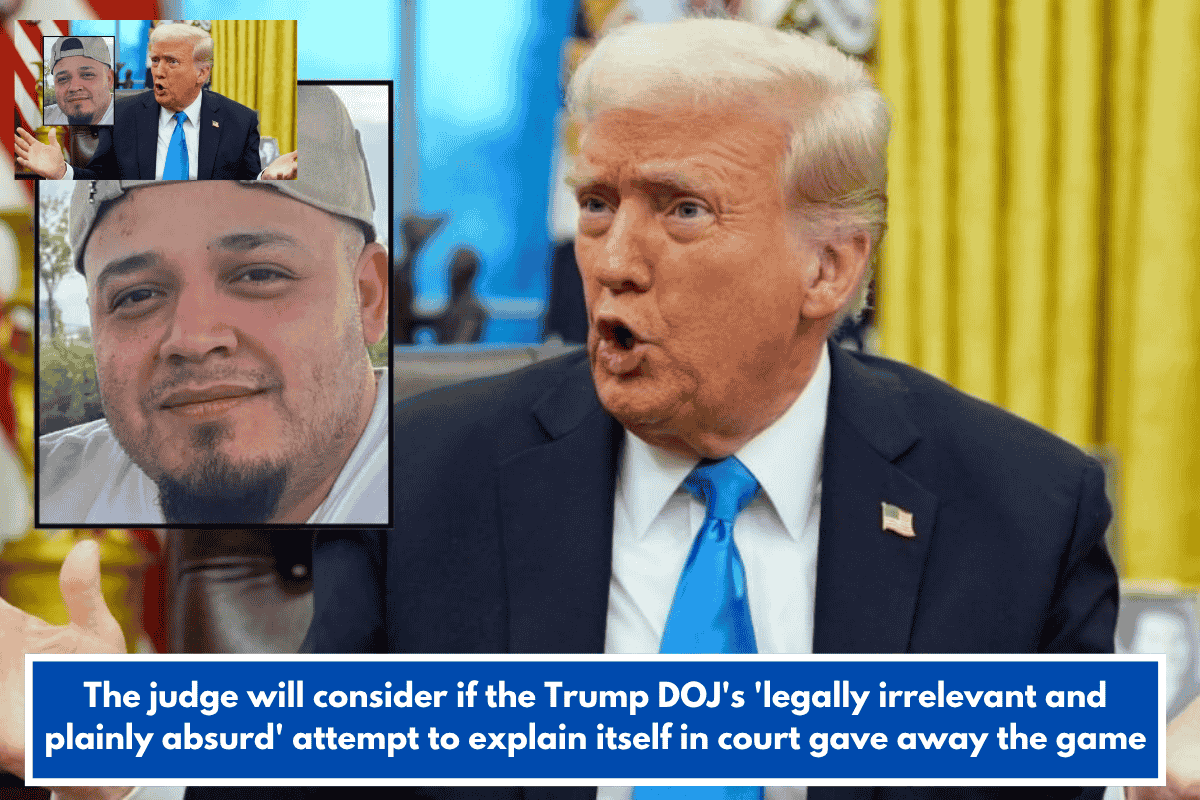
This passage describes a high‑stakes federal prosecution of Kilmar Abrego Garcia, a Salvadoran man whom the Trump administration deported in 2025 under the Alien Enemies Act, later admitting it was an “administrative error.” After being returned to the U.S. in June 2025, Abrego Garcia was indicted in Tennessee on human‑smuggling charges based on a previously closed investigation into a 2022 traffic stop—charges his defense claims are vindictive prosecution retaliation for his successful habeas case that exposed and embarrassed the government.
Why the case is called “vindictive”
- In the fall, Judge Waverly Crenshaw (a Barack Obama appointee) found a “realistic likelihood of vindictiveness” and ordered discovery and an evidentiary hearing on Abrego Garcia’s motion to dismiss the case on that ground.
- The trigger was public comments by then‑Deputy Attorney General Todd Blanche, who said on Fox News that the criminal case was brought to bring Abrego Garcia back to the U.S. “not [because of] a Judge,” but because of an arrest warrant, which the judge said could be direct evidence that the charges were motivated by Abrego Garcia’s prior lawsuit against the executive branch, not by genuine criminal wrongdoing.
The evidentiary hearing and government’s stance
- The Trump administration blocked top officials, including Blanche and his associate Aakash Singh, from testifying, instead sending two lower‑level witnesses:
- Former acting U.S. Attorney Robert McGuire
- Homeland Security Investigations (HSI) special agent in charge Rana Saoud
- The DOJ argued that learning about the 2022 traffic stop from a Tennessee Star article in April 2025 constituted “new evidence” justifying reopening the case—an ordinary prosecutorial justification it says rebuts any presumption of vindictiveness.
Defense arguments in the post‑hearing filing
Abrego Garcia’s lawyers argue that the government deliberately avoided the only people who could explain the real decision‑making chain and that the two witnesses offered implausible, self‑serving explanations:
- They claim McGuire pretended to be an independent decisionmaker while ignoring pressure from the Office of the Deputy Attorney General (ODAG) and Singh, who allegedly “handed Mr. McGuire the key cooperator and pressured him to charge quickly.”
- They say Saoud’s claim that she opened a “separate investigation” based on a newspaper article (which the article itself said was “planted” by DHS sources) is incredible and inconsistent with the documentary record.
- The defense also notes that Associate Attorney General Stanley Woodward—a top DOJ civil‑side lawyer and former Trump‑defense lawyer—entered the case only when discovery was about to move forward, underscoring continued high‑level DOJ control over the prosecution.
The defense’s core legal argument now is that:
- The DOJ’s “unwillingness to produce top officials for testimony” and the flimsy, subjective explanations it has offered show there is no non‑vindictive, objective justification for the indictment.
- The only coherent explanation that fits the known facts is the one Blanche publicly stated: that Abrego Garcia was prosecuted to punish him for his successful habeas challenge to his deportation, and that the case should therefore be dismissed.
In practical terms, the defense is asking Judge Crenshaw to use the vindictive‑prosecution doctrine to shut down the Tennessee indictment, arguing that the government has failed—and in some ways refused—to demonstrate that the charges are based on legitimate law‑enforcement reasons rather than retaliation for Abrego Garcia’s prior legal victory.