The article you shared highlights a real disparity in how Epstein document revelations are playing out: swift accountability in Europe versus relative insulation for U.S. figures. This stems from structural differences in political systems, cultural norms around elite accountability, and the influence of money in American politics. Here’s a breakdown of the key contrasts, grounded in the details provided and broader context.
European Accountability Mechanisms
European parliamentary systems emphasize collective responsibility, making leaders more exposed to public and party pressure.
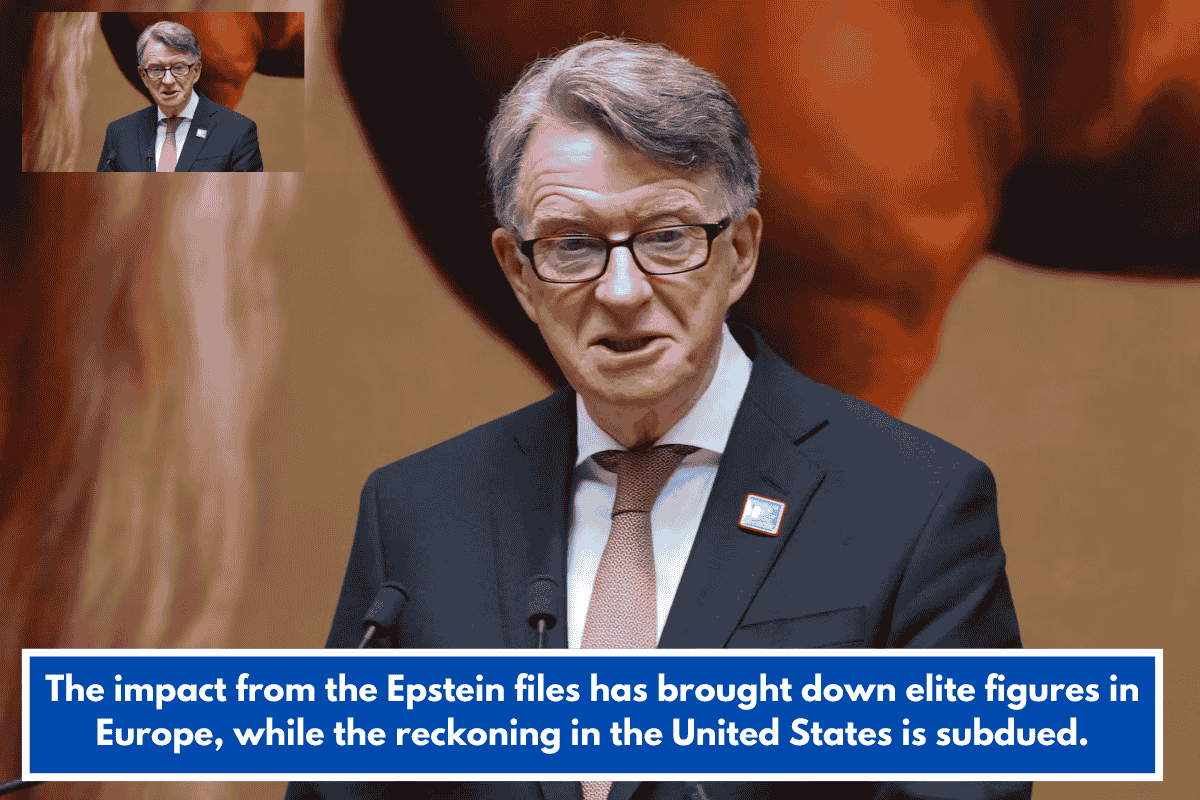
- UK examples: Prince Andrew lost titles and faces police probes over trade info sharing with Epstein (2010 claims). Peter Mandelson resigned as U.S. ambassador and from the House of Lords amid payment allegations; PM Keir Starmer apologized publicly.
- France: Ex-culture minister Jack Lang stepped down from a cultural post after ministry questioning.
- Norway: Ex-PM Thorbjørn Jagland charged with gross corruption (up to 10 years prison) for Epstein stays; ambassador Mona Juul resigned over a $10M bequest to her kids; Crown Princess Mette-Marit apologized for a Palm Beach vacation.
These moves show how documents trigger investigations, resignations, and charges—often without proven wrongdoing—due to norms against elite impunity.
U.S. Insulation Factors
America’s presidential system and term limits reduce immediate fallout, especially for insulated figures like a second-term president.
- Trump: Frequent mentions as Epstein’s Palm Beach neighbor/friend; denies wrongdoing, claims falling out pre-conviction. Second term shields him from elections.
- Howard Lutnick (Commerce Sec): Admitted 2012 island visit (after claiming limited ties); no resignation yet.
- Others: Bill Clinton associated but no action noted. AG Pam Bondi criticized for “selective” releases, possibly shielding Republicans.
- Rare U.S. fallout: Larry Summers quit Harvard role; Brad Karp left Paul Weiss chair; Kathryn Ruemmler resigning Goldman Sachs.
Richard Painter’s analysis nails it: U.S. billionaire-political ties (e.g., via donations) create shields, unlike Europe’s voter-responsive parliaments.
Why the Gap Persists
| Factor | Europe | U.S. |
|---|---|---|
| System | Parliamentary—opponents/parties force resignations | Presidential—fixed terms, less direct public pressure |
| Culture | “Humiliating” elite-Epstein ties prompt quick exits | Money-politics nexus protects the powerful |
| Enforcement | Proactive probes (e.g., UK police, Norway charges) | Slower, politicized (e.g., Bondi’s partial releases) |
This isn’t proof of guilt for anyone named—many deny involvement—but optics matter. U.S. releases (mandated by bipartisan law) continue, potentially shifting dynamics. For real-time updates, check sources like DOJ filings or outlets like BBC/Reuters.
What aspect of this—U.S. legal processes, specific figures, or European cases—interests you most?