A long-running and deeply disturbing serial killer case in New York has finally reached a major turning point. After years of mystery, investigation, and frustration, the accused has now admitted to multiple murders, bringing some closure—but also raising new questions.
The Breakthrough in the Gilgo Beach Case
Rex Heuermann has pleaded guilty to murdering seven women and also admitted to killing an eighth victim. His crimes are believed to have taken place over nearly two decades, from 1993 to 2010.
The victims were mostly women working as escorts who had advertised services online. Their remains were discovered along a remote stretch of beach in Suffolk County, New York.
This case became widely known due to the discovery of four victims, later called the Gilgo Four.
Who Were the Gilgo Four
The four women whose remains were first identified were:
- Melissa Barthelemy
- Maureen Brainard-Barnes
- Megan Waterman
- Amber Lynn Costello
They were found close to each other along Gilgo Beach, wrapped in burlap, suggesting a similar pattern in the killings.
Role of the Investigation Team
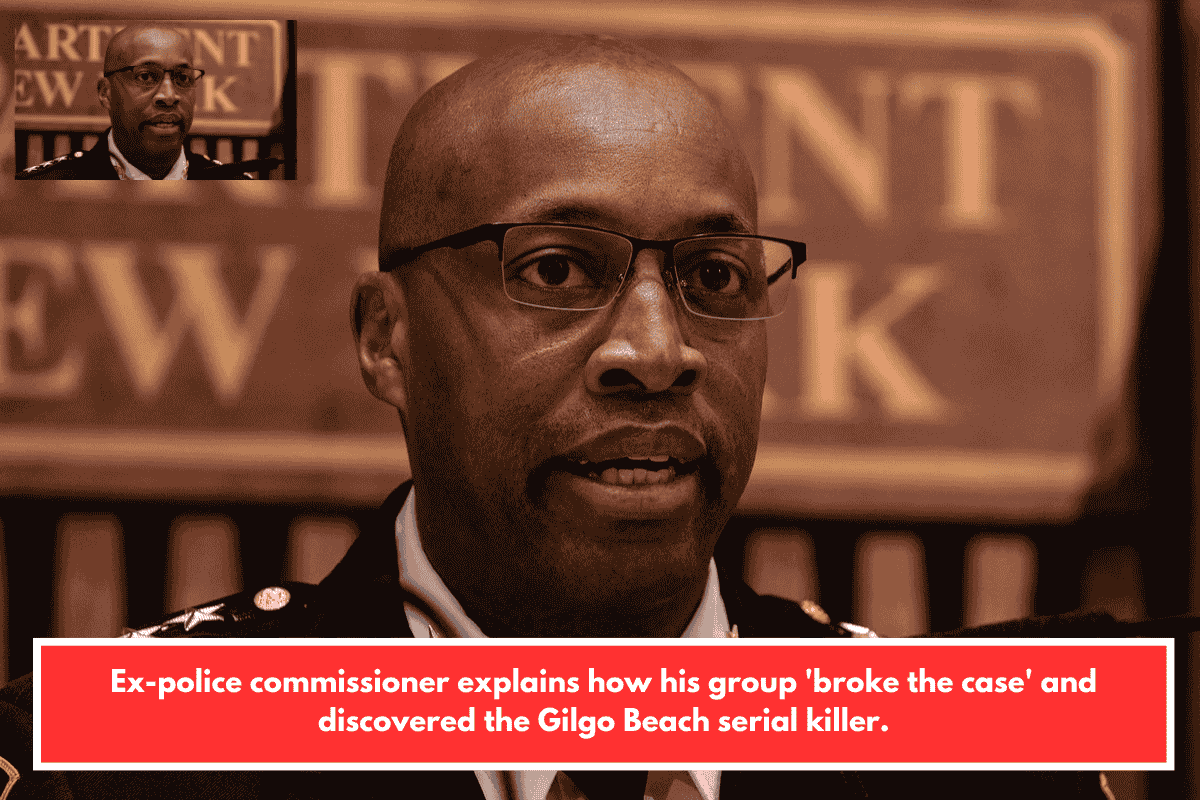
A major turning point came when Rodney Harrison took charge as police commissioner in Suffolk County.
At that time:
- The case had gone cold
- Only one detective was assigned
- There were complaints about delays and lack of coordination
Harrison helped form a dedicated taskforce and brought in federal support, including the FBI, which had earlier been kept at a distance.
The Key Clue That Changed Everything
One of the most important breakthroughs came from a witness connected to victim Amber Costello.
The witness described:
- A tall, intimidating man
- Driving a green pickup truck
This vehicle—a Chevrolet Avalanche—became a key clue. Investigators later linked it to Heuermann, which helped move the case forward.
How Investigators Built the Case
Authorities used modern technology and detailed tracking to connect the suspect to the crimes:
- Cell phone data from burner phones
- Location tracking from mobile towers
- Internet search history
- Credit card usage patterns
Most importantly, DNA evidence played a crucial role. Hair found on a victim matched DNA from a pizza crust discarded by Heuermann.
He was arrested in July 2023.
Additional Victims and Ongoing Questions
During court proceedings, Heuermann admitted to killing another woman, Karen Vergata, whose remains were found in different locations.
This has raised concerns that there may be more victims who have not yet been identified.
The Case of Shannan Gilbert
The search that led to the discovery of the Gilgo victims began with a missing woman, Shannan Gilbert.
However, investigators believe her death was not connected to the serial killings and may have been an accidental drowning.
Why the Case Took So Long
There were several reasons for the delay in solving the case:
- Lack of coordination between agencies
- Limited resources at the local level
- Failure to follow key leads early
- Hesitation to involve federal authorities
Experts say better teamwork and earlier use of technology might have solved the case sooner.
What Happens Next
Heuermann is expected to receive multiple life sentences and spend the rest of his life in prison.
However, the investigation is not fully over. Authorities are still:
- Looking for more possible victims
- Reviewing missing persons cases
- Studying whether other suspects may be involved
Officials believe the taskforce should continue its work.
The arrest and confession of Rex Heuermann mark a major moment in one of New York’s most haunting criminal cases. While it brings some closure to the families of the victims, many questions still remain unanswered. The case highlights both the challenges of long-term investigations and the importance of using technology, teamwork, and persistence. Most importantly, it reminds us to continue seeking justice for victims whose voices are often ignored, especially those from vulnerable communities.