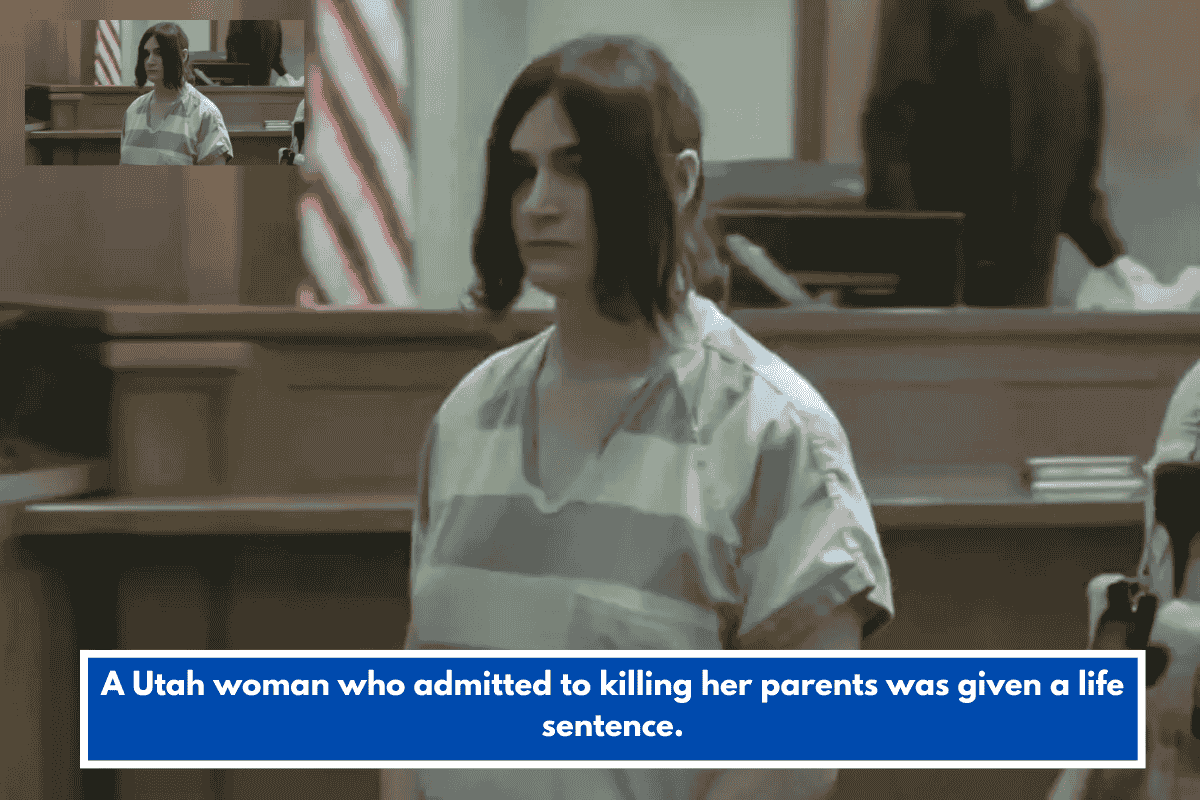
Mia Bailey, a 30-year-old from Washington City, Utah, received two consecutive sentences of 25 years to life on December 19, 2025, for the murders of her parents, Joseph (70) and Gail Bailey (69). She also got up to 5 years for aggravated assault. This stems from a June 18, 2024, incident where she broke into their home, shot her father twice in the head and her mother four times, then fired through her brother Dustin’s bedroom door downstairs—where he and his wife had barricaded themselves.
Bailey pleaded guilty in November 2025 to intentionally killing her parents and was originally charged with 11 felonies, including attempted murder of her brother. She told police she didn’t care if the shot killed him. The Utah Board of Pardons and Parole will ultimately decide her exact term length.
Key Court Details
- Defense Arguments: Attorney Ryan Stout sought concurrent sentences, citing Bailey’s clean record and severe mental health issues—diagnosed with autism, psychosis, schizophrenia, ADHD, OCD, and possible bipolar disorder. He claimed these left her functioning “at the cognitive and emotional level of a young child.”
- Family Perspective: Brother Dustin acknowledged her mental illness in court, blaming it on “powerful hormones” and drugs from her transgender treatment, which he called “reckless” and an “accelerant” to her instability. He stressed support for LGBTQ rights but criticized lack of psychiatric safeguards.
- Bailey’s Statement: She expressed deep remorse, saying she was “sincerely, deeply sorry” and couldn’t live with herself.
Broader Context
This case highlights tensions in Utah’s justice system around mental health defenses in violent crimes. Consecutive life sentences reflect the severity of familicide, even with mitigating factors like no priors or illness. Utah law allows parole boards significant discretion for such terms, often factoring in victim impact and public safety.
Reports from KUTV, ABC4, The Salt Lake Tribune, and KSL.com provide consistent details. For official records, check Washington County court documents or the Utah Board of Pardons site.
What aspect of this case interests you most—mental health sentencing, Utah parole processes, or similar cases?