Iowa uses a multi-factor test to classify gig workers, balancing federal standards with state rules focused on control and independence. Misclassification risks penalties for ...
Arkansas handles divorce through circuit courts, prioritizing the child’s best interests for custody and equitable distribution for assets. Alimony depends on need and ability ...
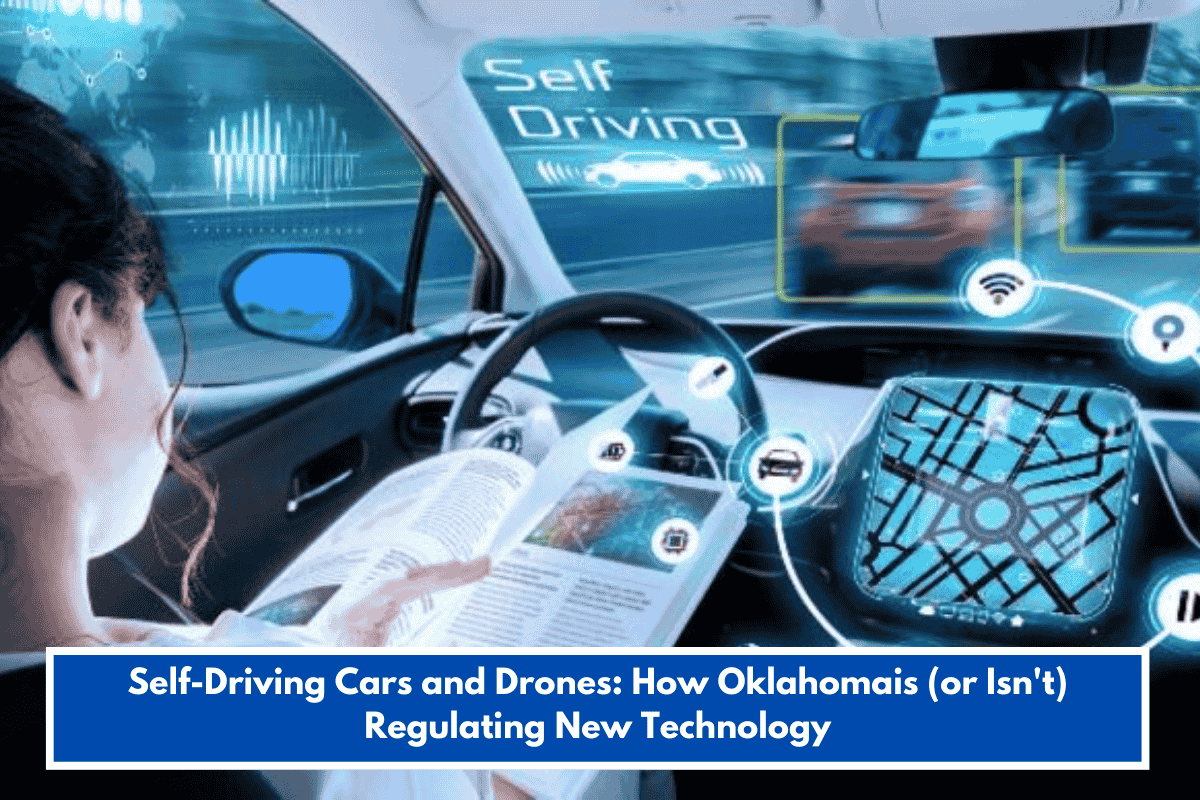
Oklahoma has established state-level frameworks for self-driving cars since 2019, emphasizing uniformity and preempting local rules. Drone regulations blend federal FAA standards with state ...
Yes, employers in Oregon can often read work emails, but limits apply under federal and state laws. Personal emails have stronger protections unless consent ...
Kansas handles divorce through a no-fault system focused on “incompatibility,” with courts prioritizing children’s best interests for custody and equitable (fair, not equal) property ...
Arkansas follows traditional common law tests for classifying gig workers as employees or independent contractors, without adopting strict ABC tests like California or recent ...
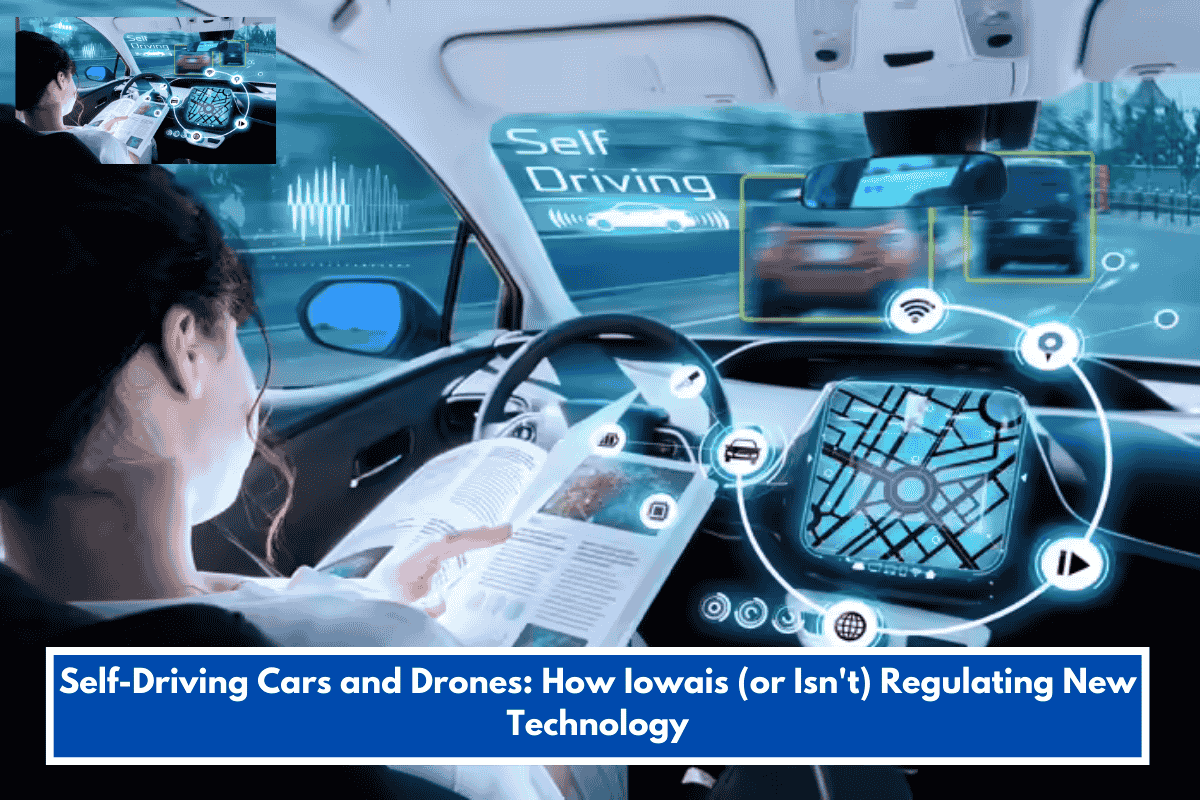
Iowa actively regulates self-driving cars through established statutes and administrative rules but has minimal specific oversight for drones beyond general aviation and local ordinances. ...
Employers in Oklahoma can generally read emails sent or received on company systems, as these are considered business property under federal laws like the ...
Oregon lacks a specific “right to disconnect” law allowing employees to ignore work communications outside working hours, unlike some international models or proposals in ...
Kansas uses a “totality of circumstances” test with safe harbor provisions for classifying gig workers, leaning toward flexibility for businesses compared to stricter ABC ...