Kansas uses a “totality of circumstances” test with safe harbor provisions for classifying gig workers, leaning toward flexibility for businesses compared to stricter ABC ...
Arkansans encounter a structured yet evolving regulatory landscape for self-driving cars and drones, with the state actively permitting autonomous vehicles through approvals while drone ...
Iowa employers can generally monitor work emails on company systems without prior notice, as federal Electronic Communications Privacy Act (ECPA) allows it for business ...
Oklahoma does not have a “right to disconnect” law as of February 2026, unlike some other states exploring such measures for work-life balance. Instead, ...
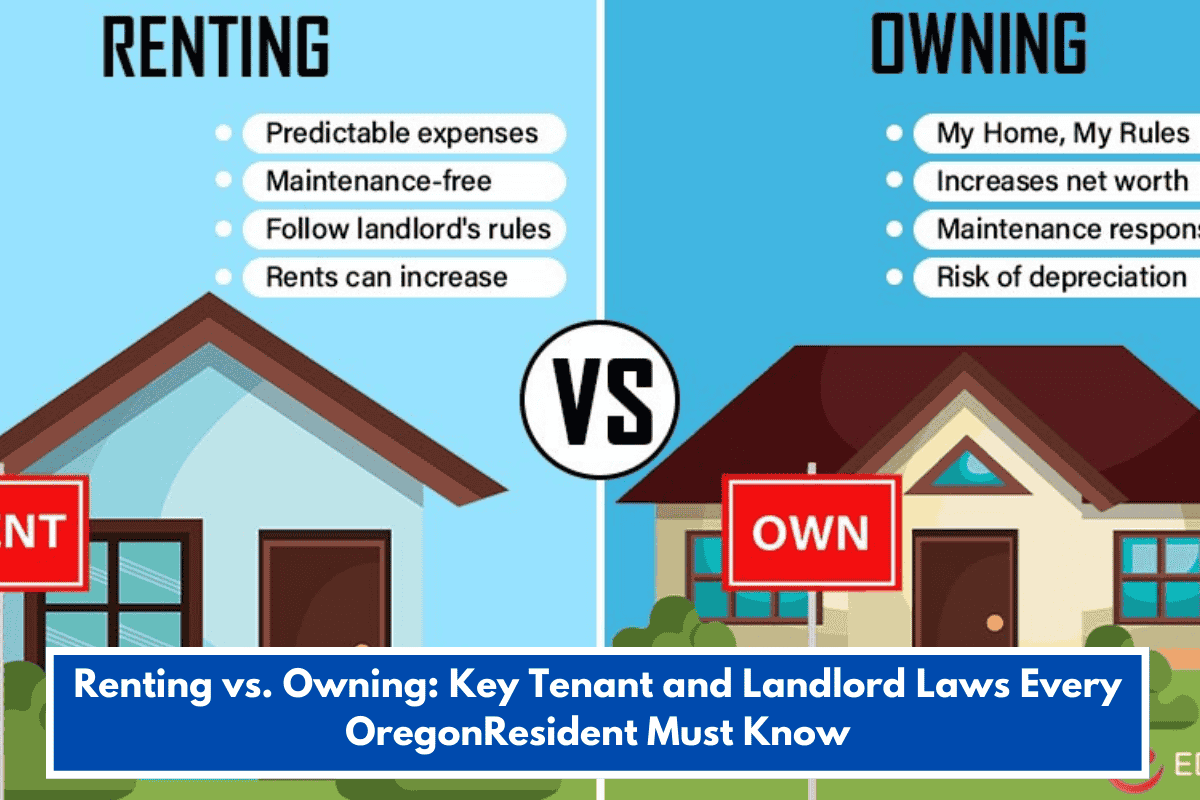
Oregon residents deciding between renting and owning a home face distinct legal frameworks. Renting falls under the Oregon Residential Landlord and Tenant Act (ORS ...
Kansas regulates self-driving cars through a permissive framework established in 2022, allowing driverless-capable vehicles on public roads under specific safety conditions. Drone regulations align ...
In Arkansas, employers can generally monitor and read work emails sent or received on company systems, as employees have no reasonable expectation of privacy ...
Iowa has no statewide “right to disconnect” law mandating employees ignore work communications outside hours, unlike some nations or proposed federal bills. Instead, its ...
Oklahoma favors landlords in rental laws under the Residential Landlord and Tenant Act, with no rent control or security deposit caps. Renting offers flexibility ...
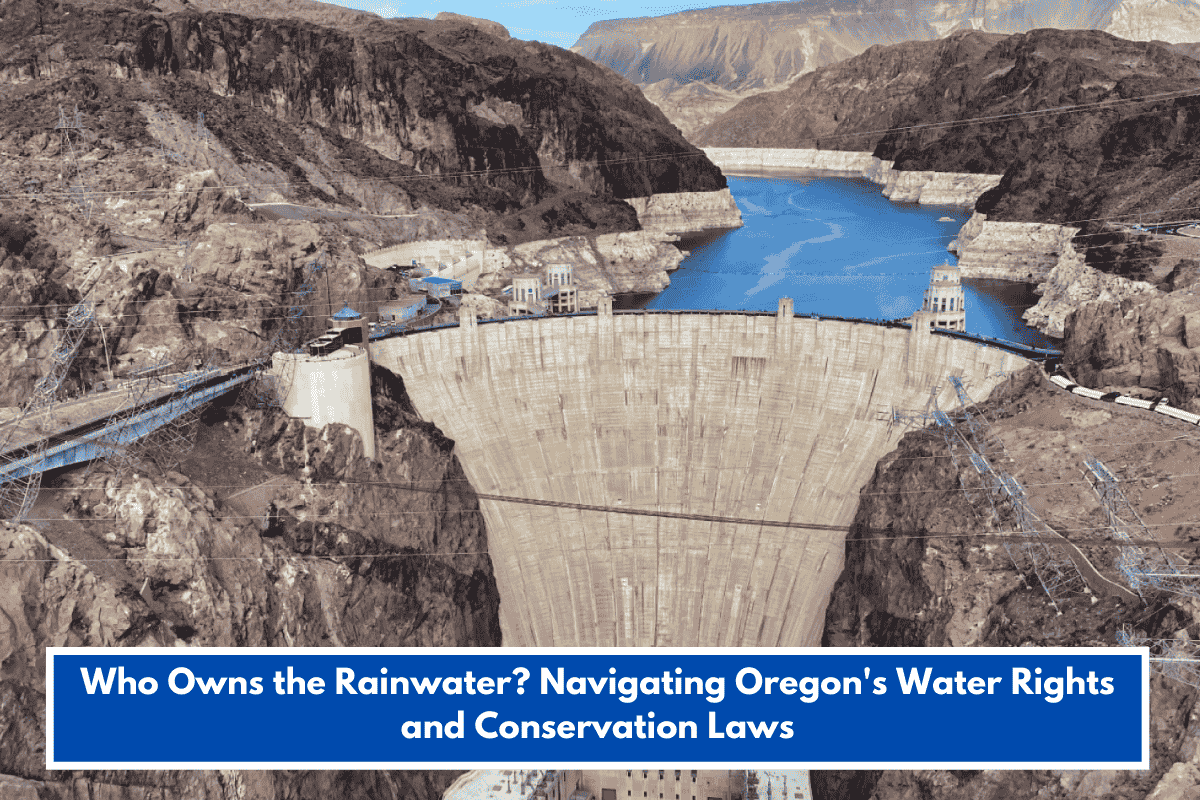
In Oregon, all water, including rainwater, belongs to the public under state law. Individuals do not automatically own water flowing through or falling on their ...