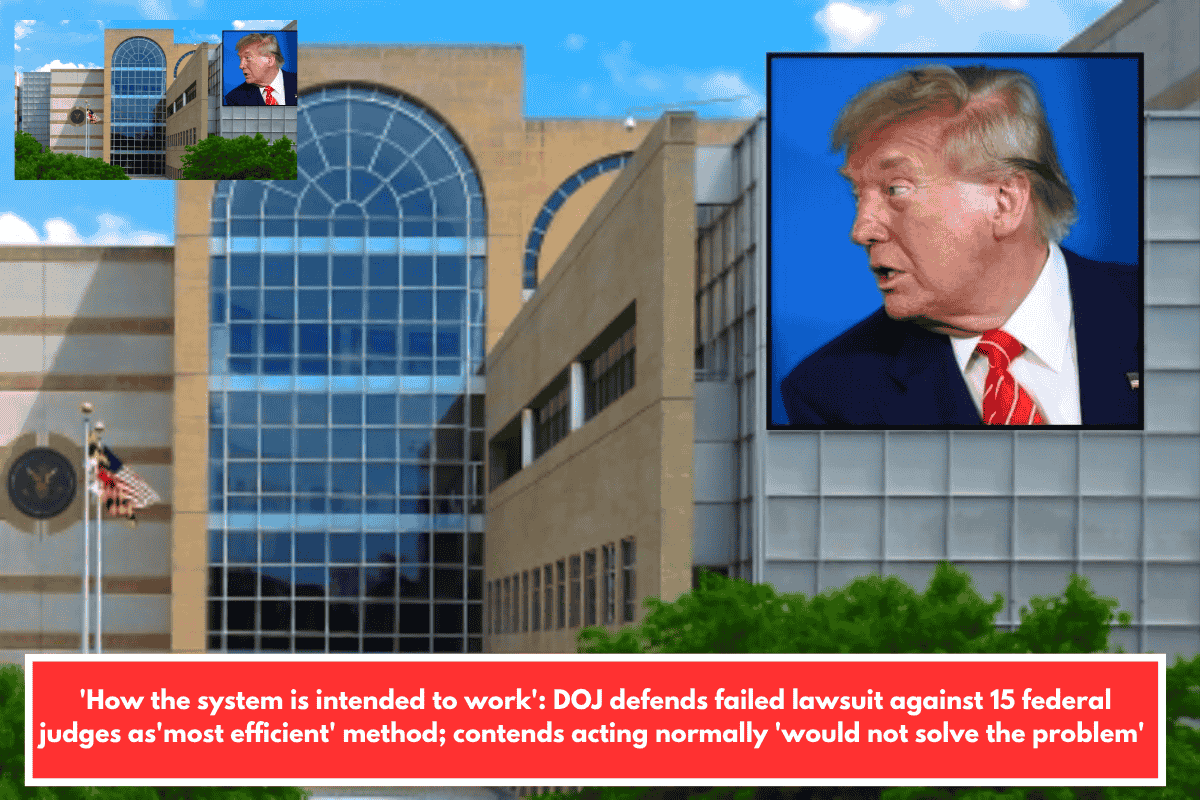
The DOJ appealed a lower court’s dismissal of its “unprecedented” lawsuit against all judges and the clerk of Maryland’s federal district court, arguing the suit properly challenged “unlawful” standing orders that imposed automatic two-day stays in immigration habeas cases.
Lawsuit Background
DOJ and DHS sued under equitable authority for prospective injunctive relief, claiming Chief Judge George Russell III’s orders—issued amid a habeas petition surge—usurped Trump’s deportation mandate by interfering with executive enforcement. Trump appointee Judge Thomas T. Cullen dismissed in August 2025 as a “constitutional free-for-all,” urging alternatives like case-by-case appeals, mandamus, or Judicial Council review.
DOJ’s Appellate Arguments
In Monday’s 4th Circuit brief, DOJ alleged three “reversible errors”: (1) a valid cause of action exists against judges in official capacities; (2) standing from immigration enforcement harm; (3) no judicial immunity bar. It rejected alternatives as inefficient—appeals wouldn’t fix systemic stays, and Council review lacks binding power. DOJ sought vacatur despite Maryland’s post-suit order revisions, calling the original suit “how the system works.”
This executive-judicial clash over Trump’s agenda echoes the Homan FOIA suits in your recent political stories—agencies pushing transparency and authority amid Biden-era probes. Tense standoff; thoughts on separation-of-powers flashpoints?